US-Iran conflict
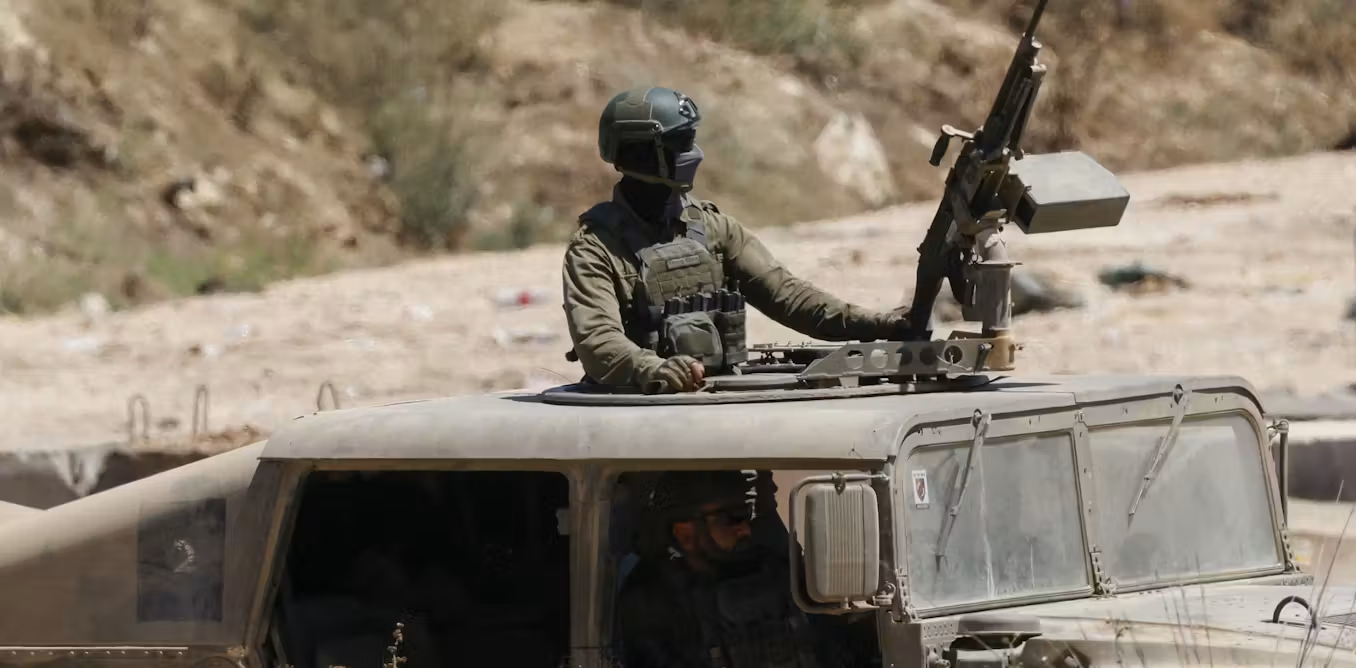
Israel’s ‘campaign between the wars’: How strategy to contain Iran and its allies risks further straining ties with US
Israel has long sought to gain a military advantage by degrading its adversaries’ military capabilities outside of times of direct conflict.
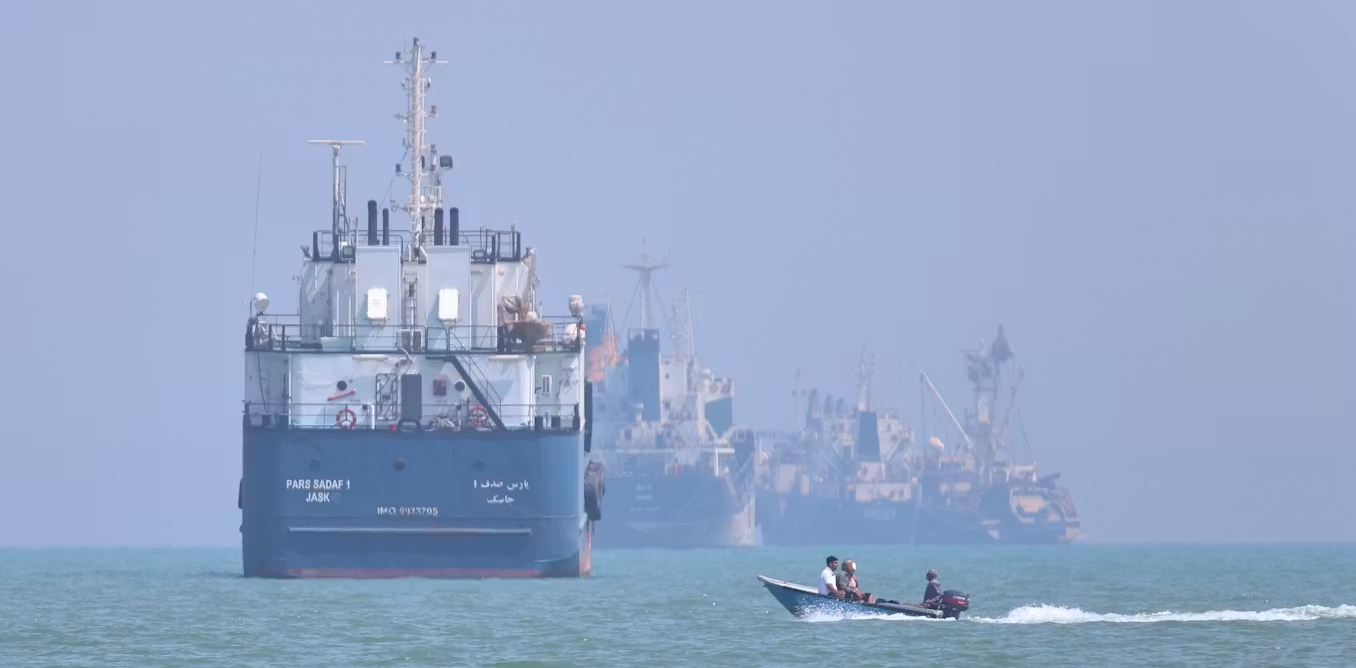
The danger of US‑Iran ceasefire agreement is what it leaves out
A strong deal would build in real penalties for going back to war: automatic, reversible costs that fall on anyone who restarts the fighting.
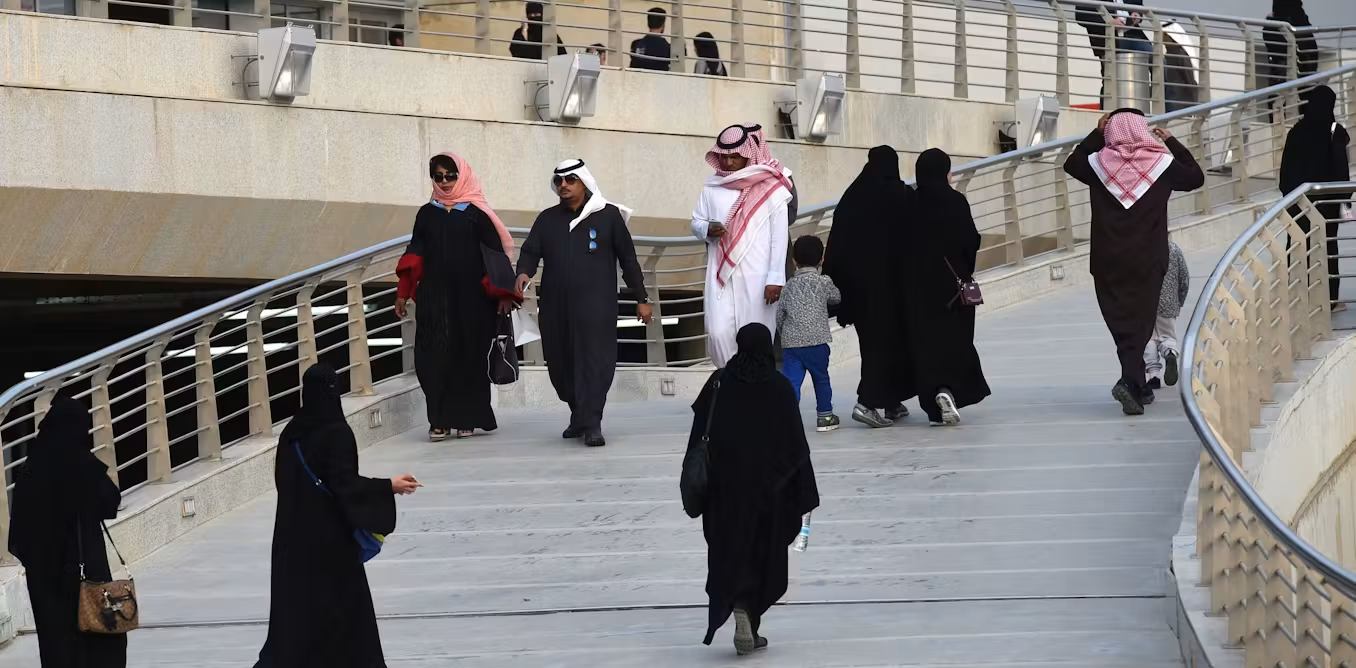
How are Saudis viewing the US‑Iran war? Our polling suggests Gulf kingdom is split on key issues
Surveys in the Gulf kingdom point at ongoing support for the US-Saudi alliance.
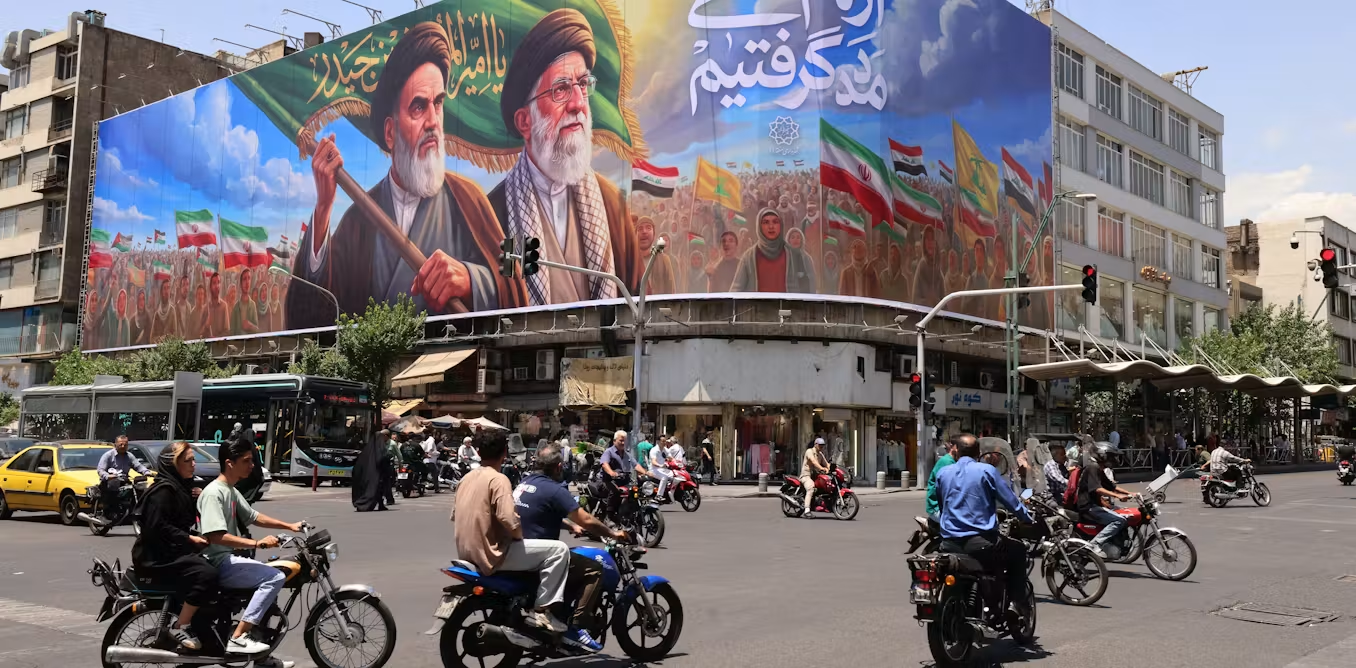
Trump’s US‑Iran ceasefire deal is a costly return to prewar conditions – and resolving nuclear questions will run into the ‘indivisibility problem’
Iran has emerged with its uranium enrichment knowledge intact, its stockpile buried and fresh reason to believe that only a nuclear weapon would have deterred the US-Israel attack.
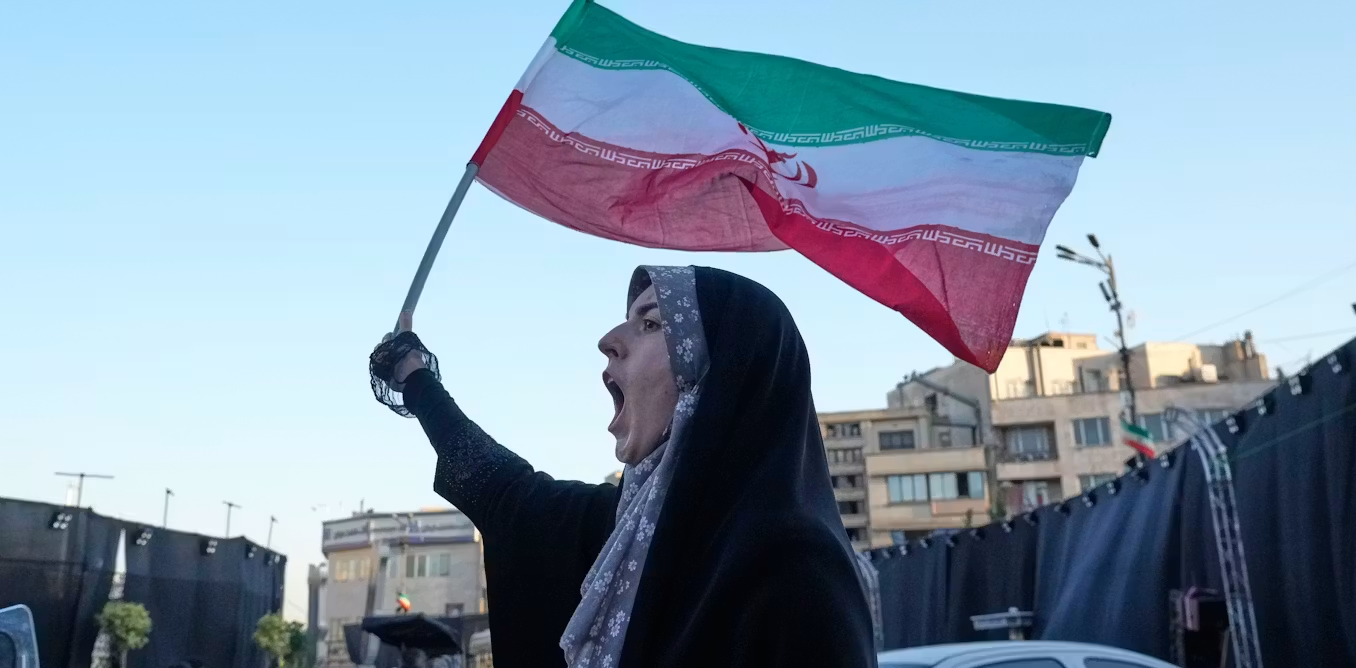
A peace deal may bring an end to the Iran war, but what did the US and Israel truly achieve?
The deal will leave Iran in a stronger position than before the war, the US with far less leverage in the region, and Israel in the lurch.

As a philosopher, I’m convinced that Trump isn’t lying − he’s doing something worse
Donald Trump’s false claims about the Iran War, Epstein files, tariffs and inflation have left some supporters who have traditionally believed all he says feeling duped and abandoned. Why now?
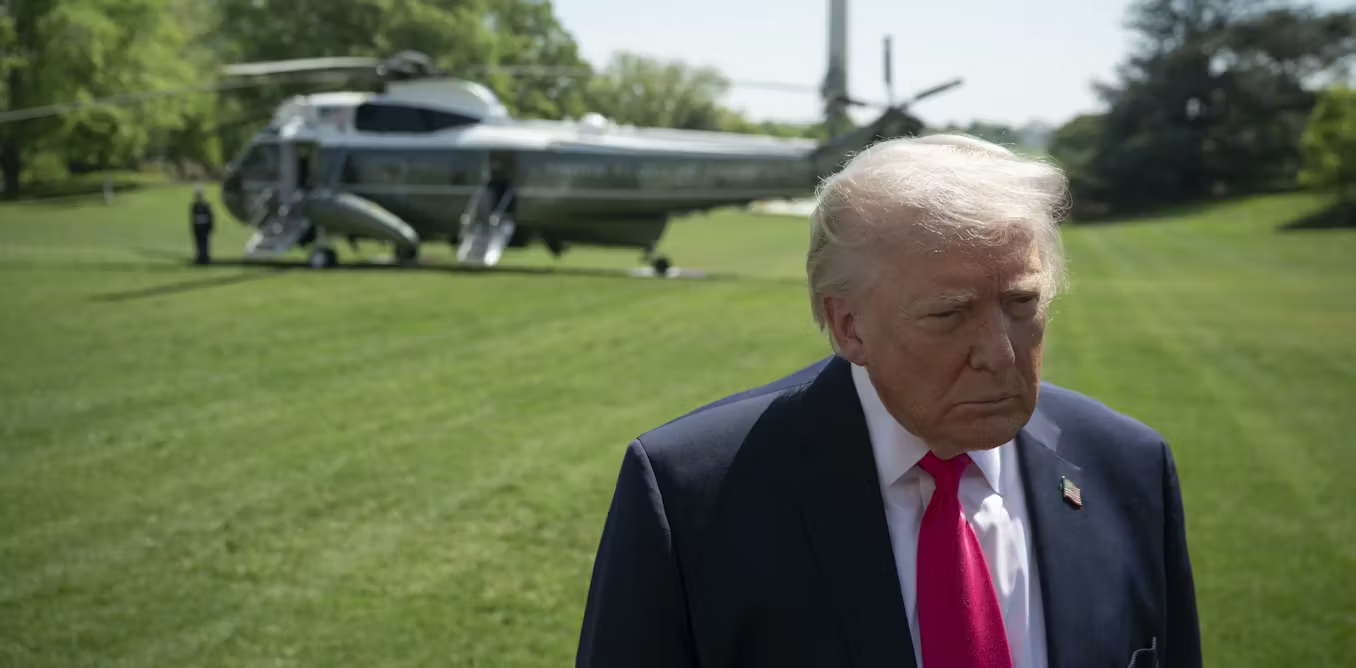
Is Trump heading to a Pyrrhic victory in Iran?
Pyrrhus was said to have remarked that one more victory would leave his kingdom ‘utterly ruined.’ Some see echoes in US interventions in the Middle East.
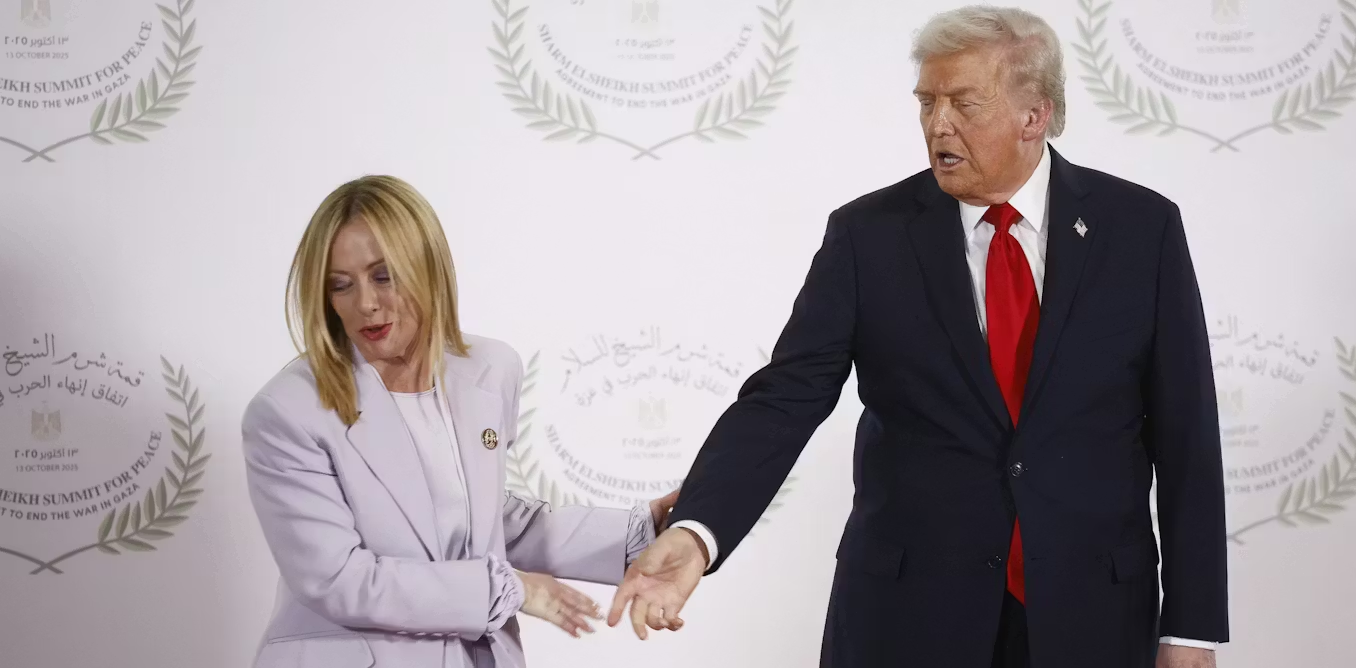
Meloni and Trump’s cooling relationship marks the failure of an EU‑MAGA middle ground
Italy’s right-wing leader was once seen as Trump’s main ally in Western Europe – but not so anymore.
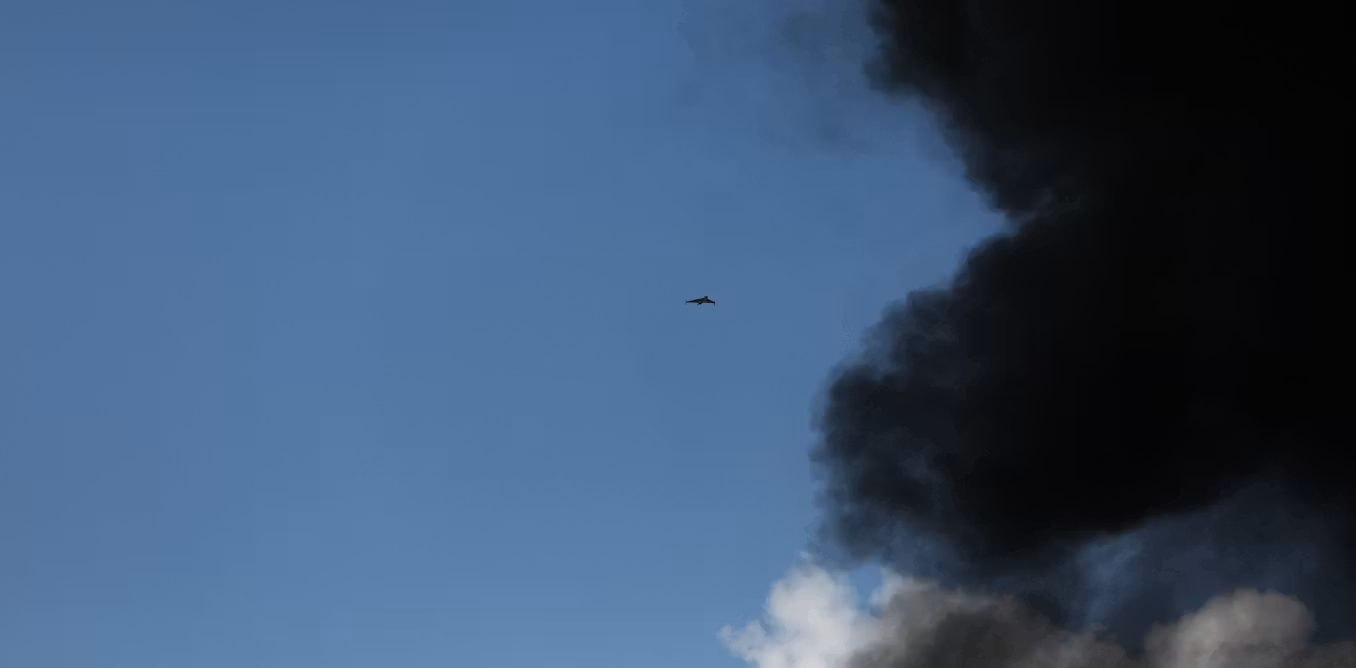
Why the US military is stuck using $1 million missiles against Iran’s $20,000 drones
Bureaucratic hurdles mean the US military typically has to wait a decade between the time it sees a new threat and the employment of a new system to defend against it.
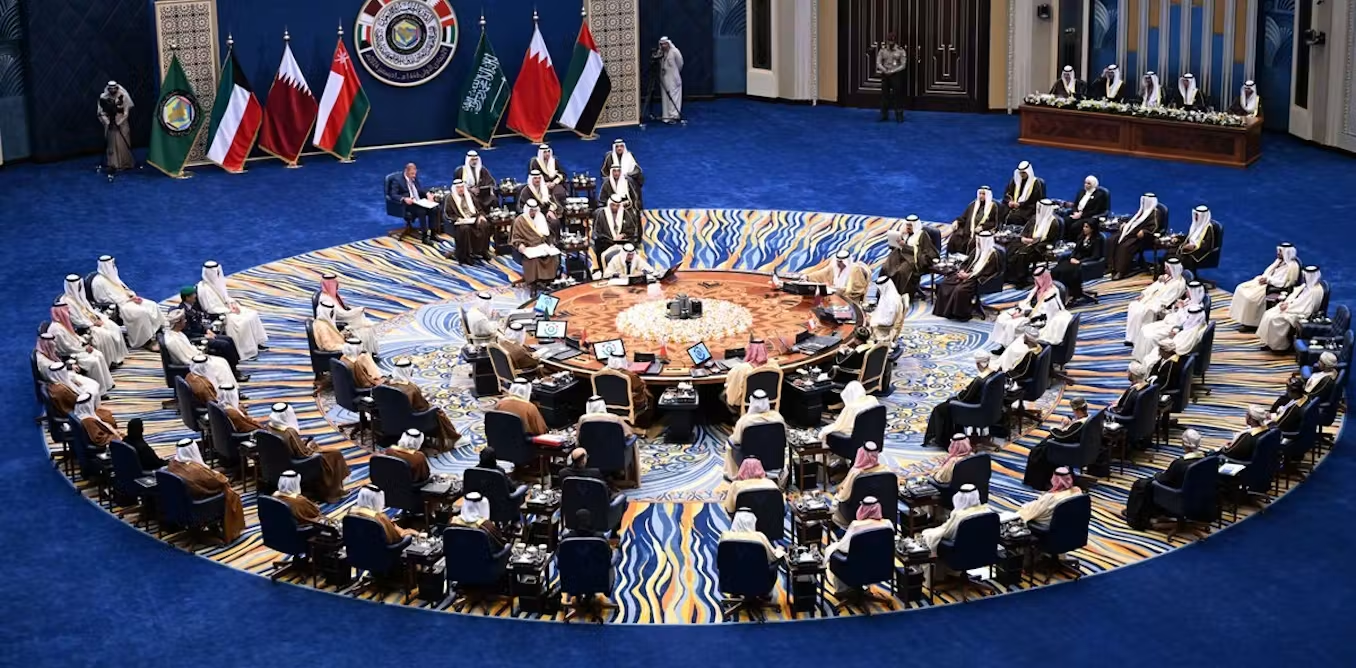
Gulf state cooperation has long been shaped by the threat of Iran − but shows of unity belie division
The Gulf Cooperation Council was formed after the Iranian Revolution of 1979. Since then, GCC members have tried different strategies to contend with Tehran.