Middle East

How trains can transform Persian Gulf politics and global security
Once completed, the 2,177-kilometer GCC Railway will connect six Gulf kingdoms and provide alternative routes to Europe and Asia.
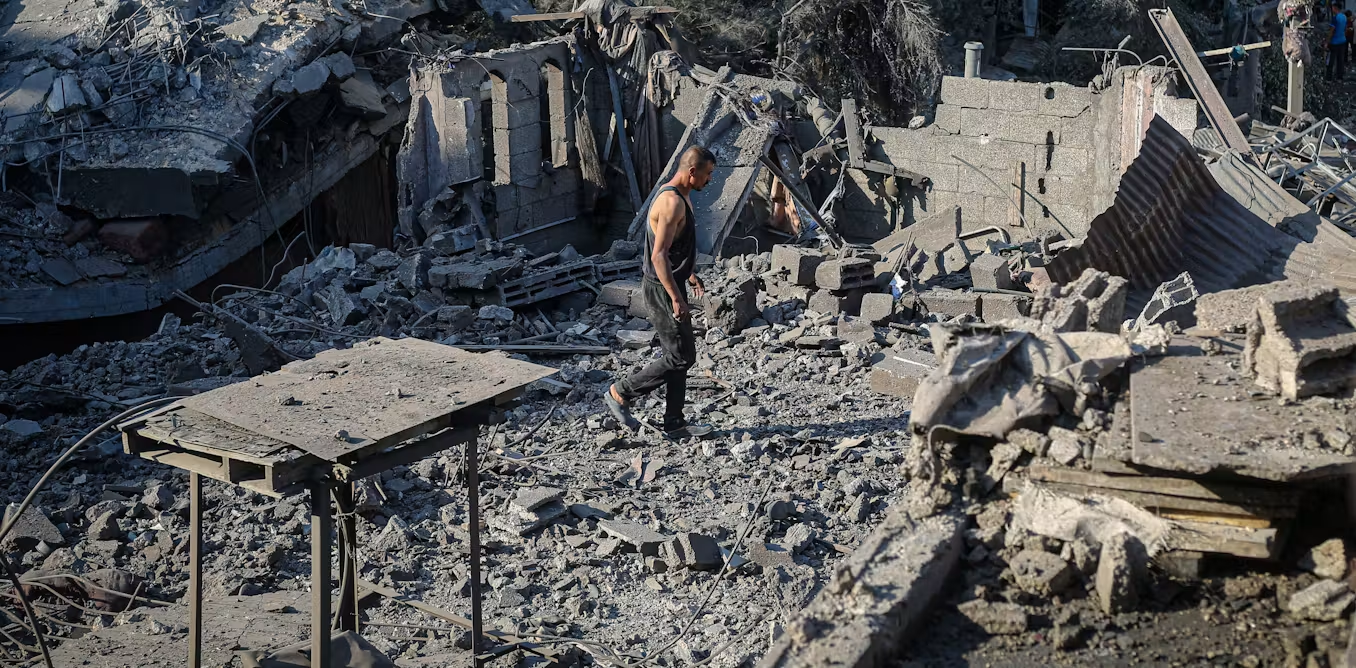
Gaza’s ‘road map’ is driven by Trump, but reluctant passengers and serious potholes could derail pathway to peace
Hamas sees disarmament as parallel to Israeli withdrawal from Gaza; Israel says no withdrawal before complete disarmament.
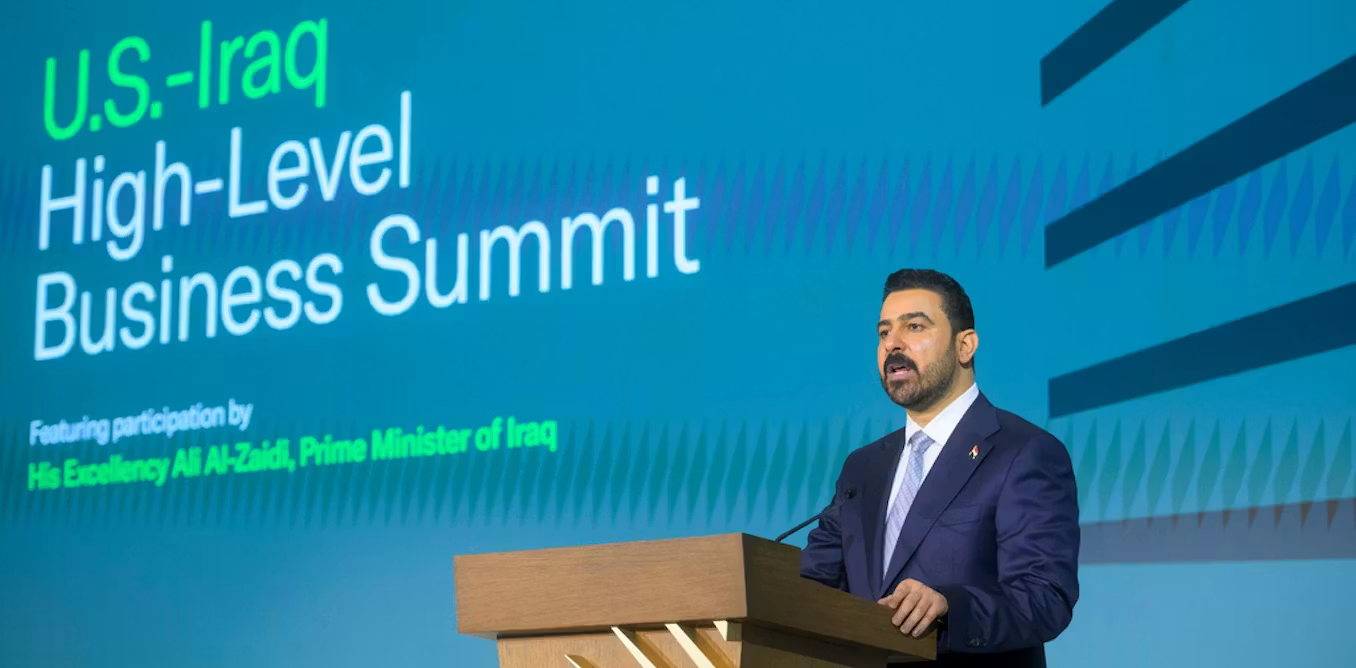
Iraq is emerging as the Middle East’s strategic connector – but can it turn foreign competition into advantage?
Iraq has pursued friendly relations with many countries who are themselves at odds. The strategy has lots of upside for war-torn Iraq – but holds key risks as well.
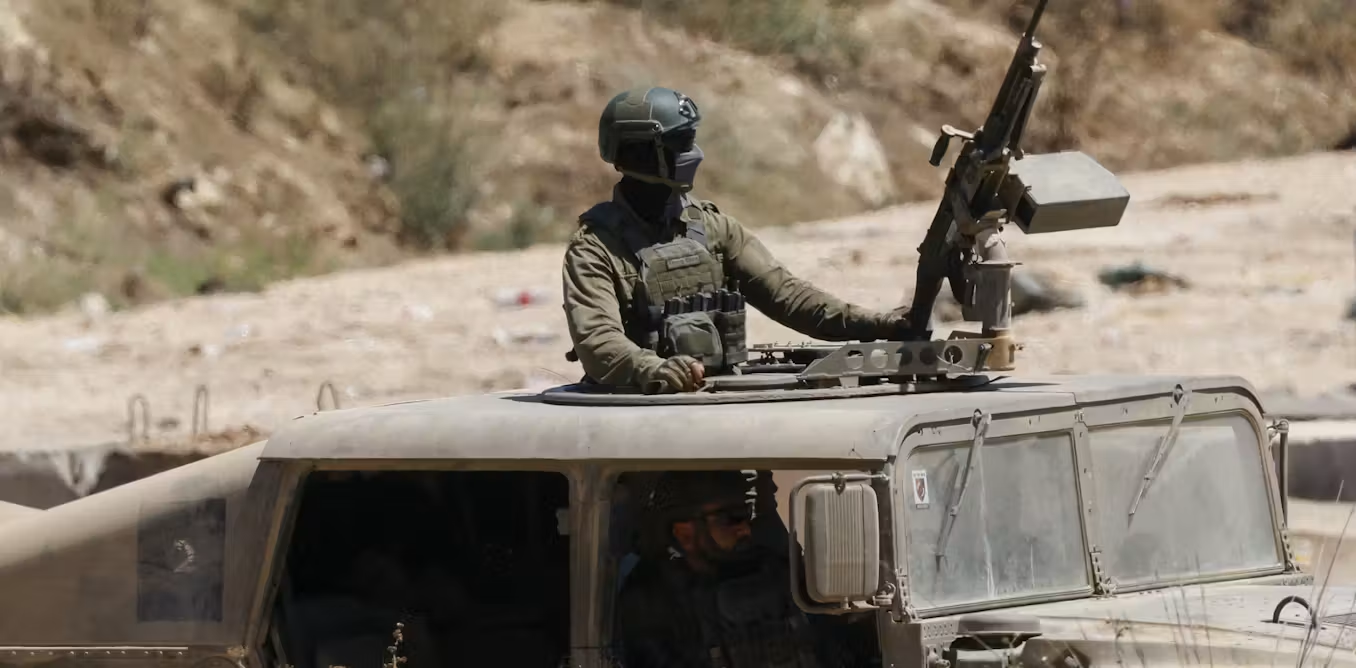
Israel’s ‘campaign between the wars’: How strategy to contain Iran and its allies risks further straining ties with US
Israel has long sought to gain a military advantage by degrading its adversaries’ military capabilities outside of times of direct conflict.

How are Saudis viewing the US‑Iran war? Our polling suggests Gulf kingdom is split on key issues
Surveys in the Gulf kingdom point at ongoing support for the US-Saudi alliance.

US‑Iran deal leaves the future of Lebanon uncertain – and subject to Israel playing the spoiler
President Donald Trump has talked of a potential role for Syrian forces in fighting Hezbollah – a move that would raise alarm in Lebanon.

In Iran war’s shadow, Israel’s renewed Lebanon campaign risks repeating failed lessons – and occupations – of the past
Unable to defeat Iran, Israel shifts its focus to Lebanon, fearing U.S. negotiations with Tehran could limit operations against Hezbollah.

Trump’s Middle East pivot aims to counter China’s rising influence
Trump is trying to strengthen ties with Gulf states in an attempt to contain China’s growing regional ambitions.
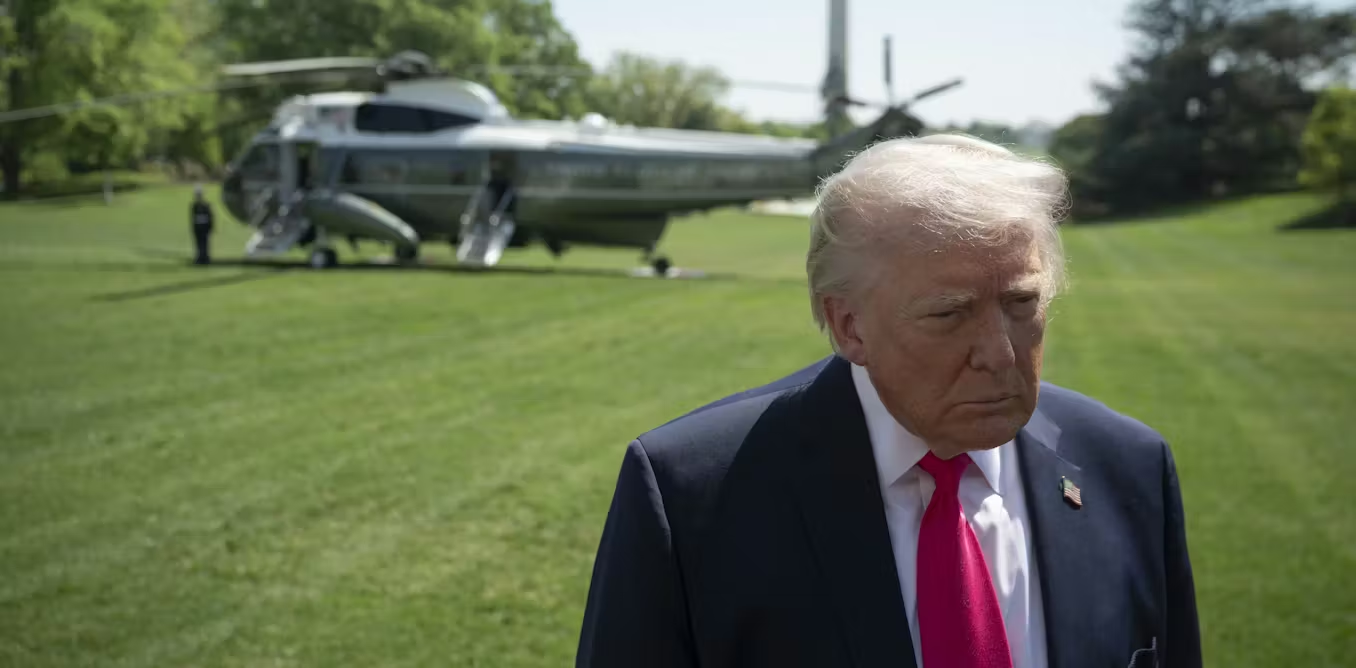
Is Trump heading to a Pyrrhic victory in Iran?
Pyrrhus was said to have remarked that one more victory would leave his kingdom ‘utterly ruined.’ Some see echoes in US interventions in the Middle East.

The US has long used economic coercion to achieve foreign policy goals — the war in Iran shows how that power has declined
US sanctions on foreign nations have lost some of their power to influence the behavior of other nations – with increasing costs for the US to boot.