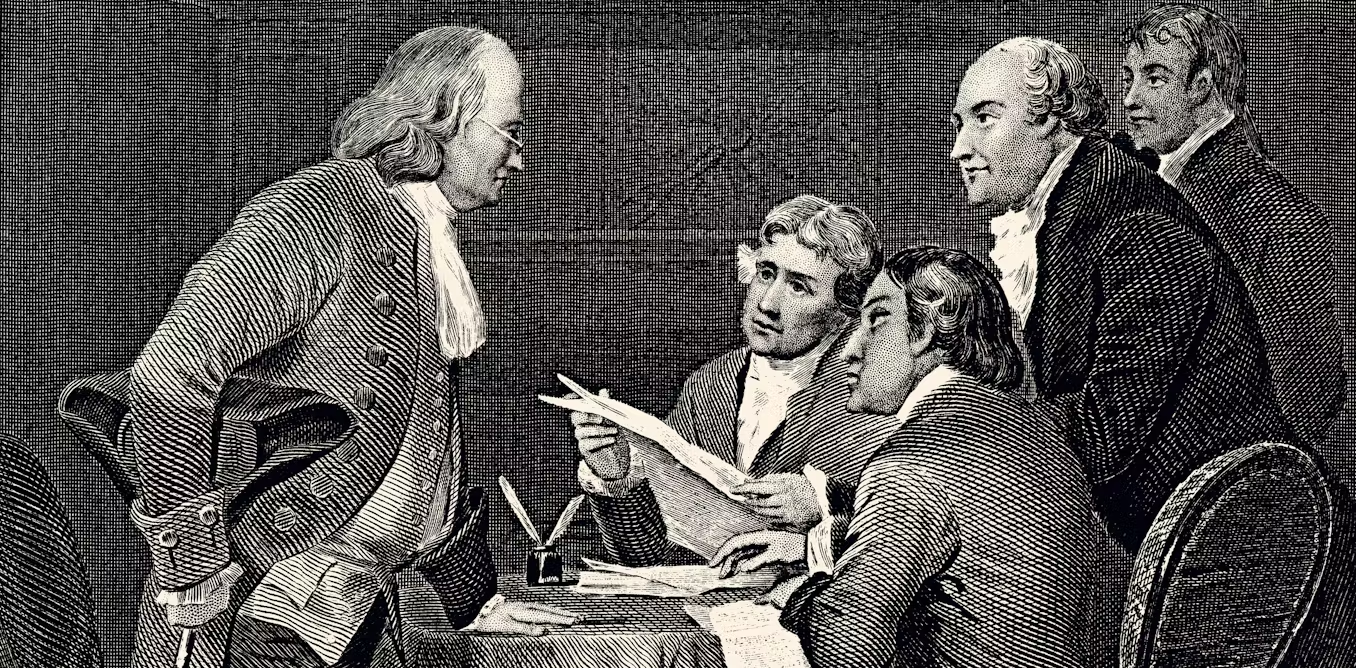
John Adams and Thomas Jefferson disagreed about the American Revolution’s meaning even as they lay dying
The founding generation in America was not of one mind. John Adams and Thomas Jefferson differed on crucial ideas, but exemplify the capacity for people to disagree and yet work for a common cause.
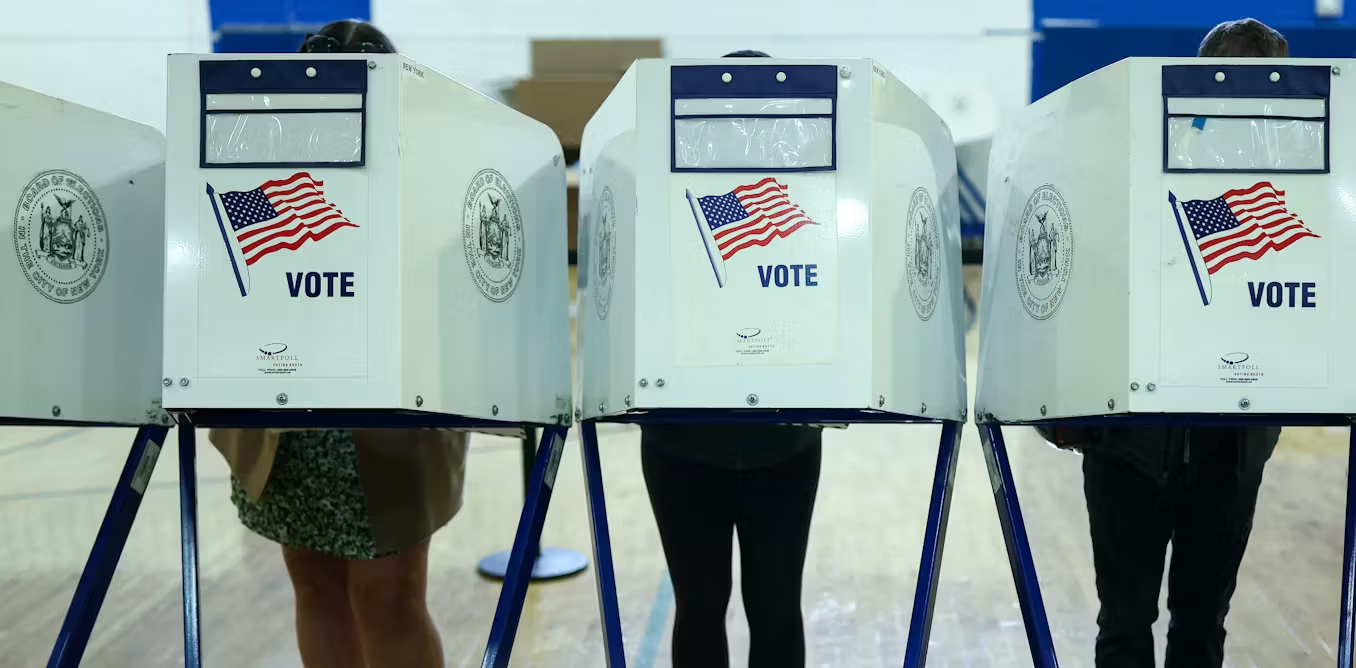
For the first time in a decade, the next election could be less secure than the one preceding it
The federal task force that defends US elections has been largely absent this election cycle, and the threat-sharing hub it relied on has been defunded.
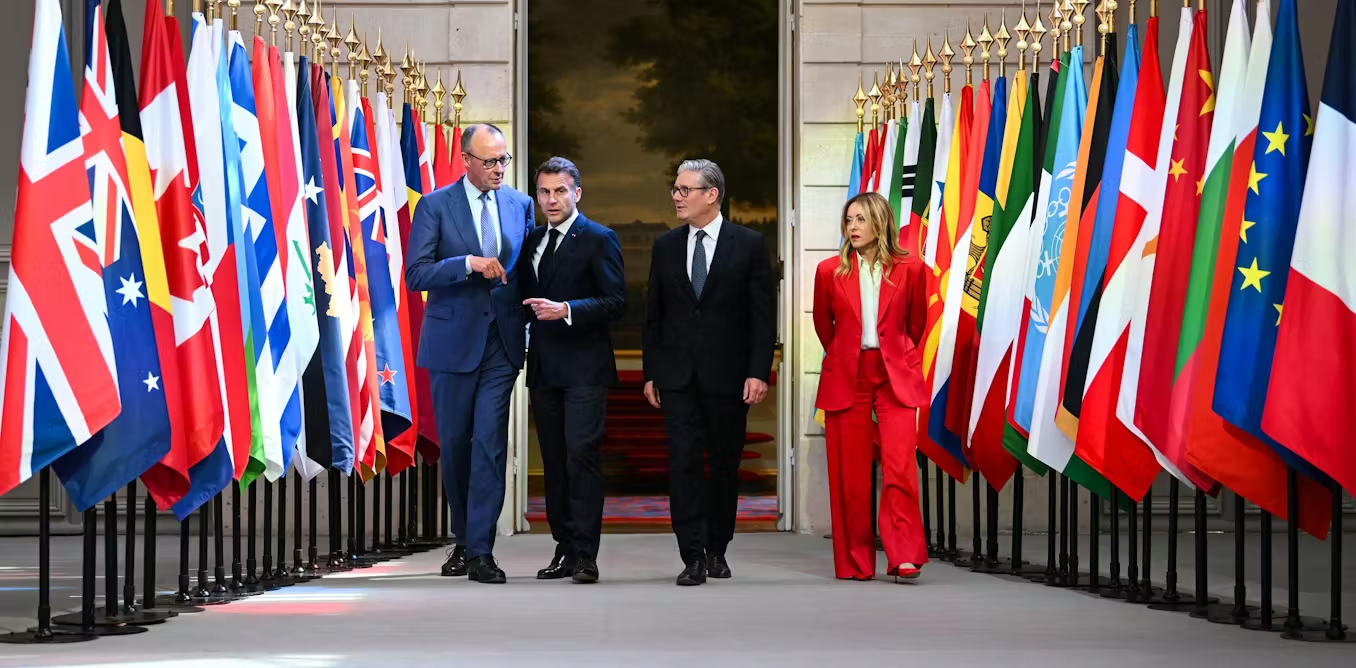
Why the Iran war is breaking the US‑European strategic alliance
European leaders are learning they cannot rely on Washington, and that the US will act against their interests and at their economic expense.
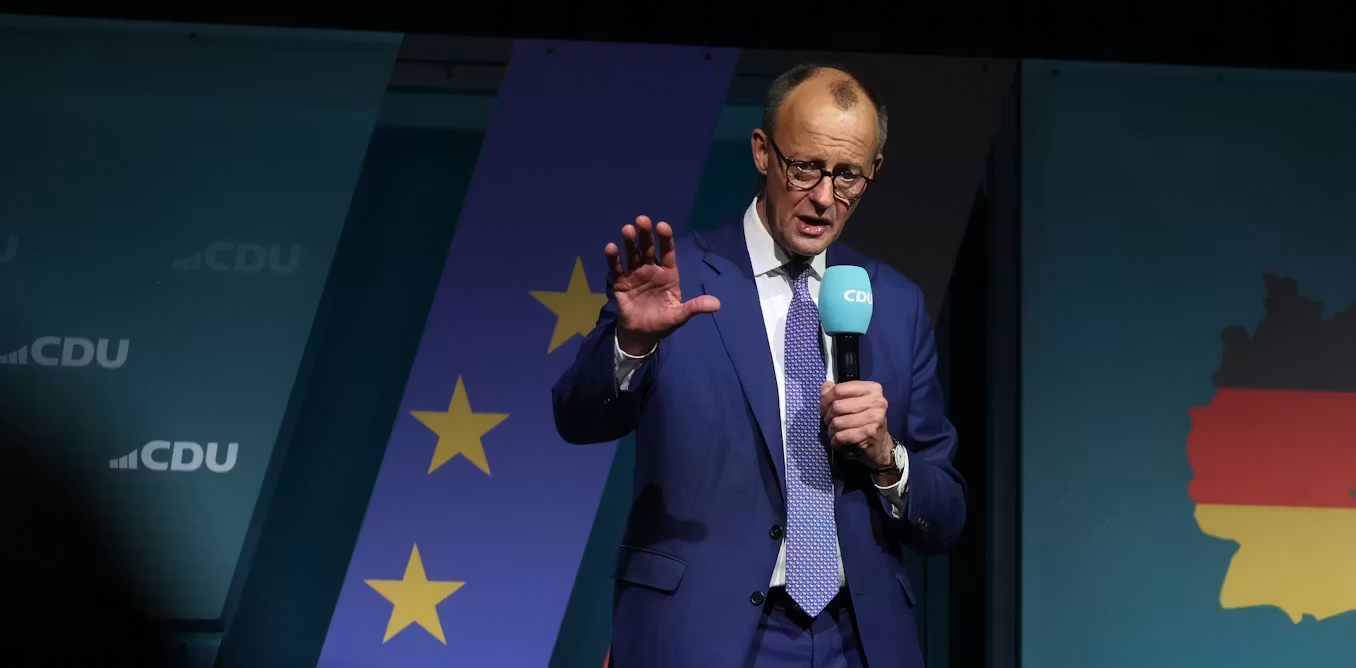
Is a united European voice possible in the age of Trump, Putin and far‑right politics? Germany’s new leader intends to find out
Henry Kissinger once mused ‘Who do I call if I want to speak to Europe?’ The question now might be, would Washington bother to dial if there were?
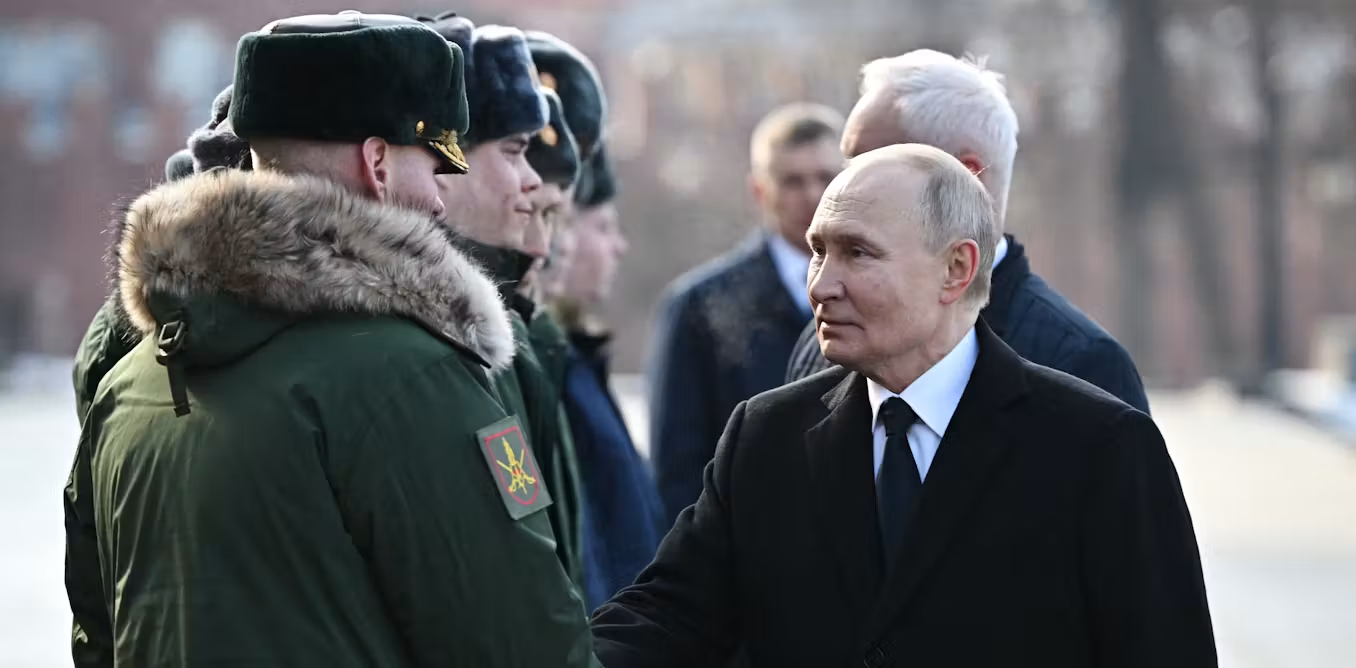
As the Kremlin eyes a thaw with the White House, Russia’s pro‑war hawks aren’t too happy
A majority of Russians are in favor of peace talks, but a very vocal minority eye US overtures with suspicion and contempt.

The ‘drug threat’ that justified the US ouster of Maduro won’t be fixed by his arrest
There is no evidence that US intervention in Venezuela will lead to a meaningful reduction in drugs flowing into the United States.
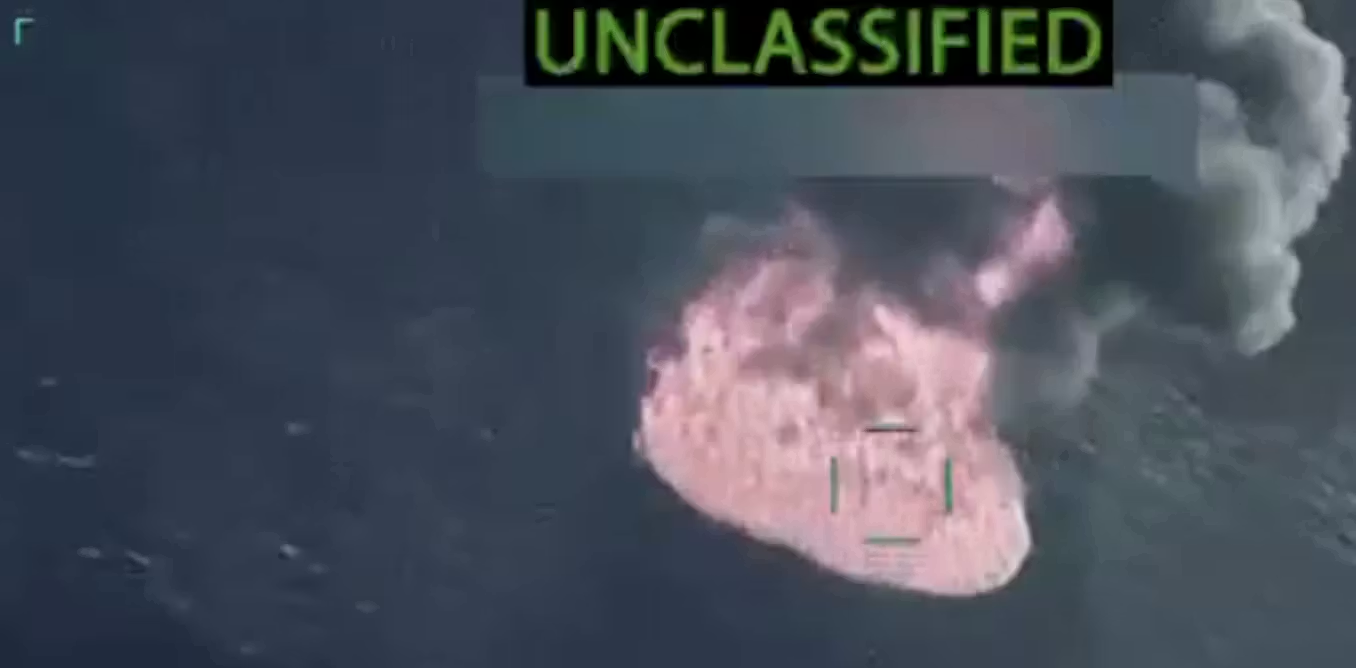
Trump’s anti‑Venezuela actions lack strategy, justifiable targets and legal authorization
President Trump OK’d a naval buildup in the Caribbean, strikes on boats in international waters and covert operations in Venezuela. A military analyst can’t see a coherent strategy or objective.
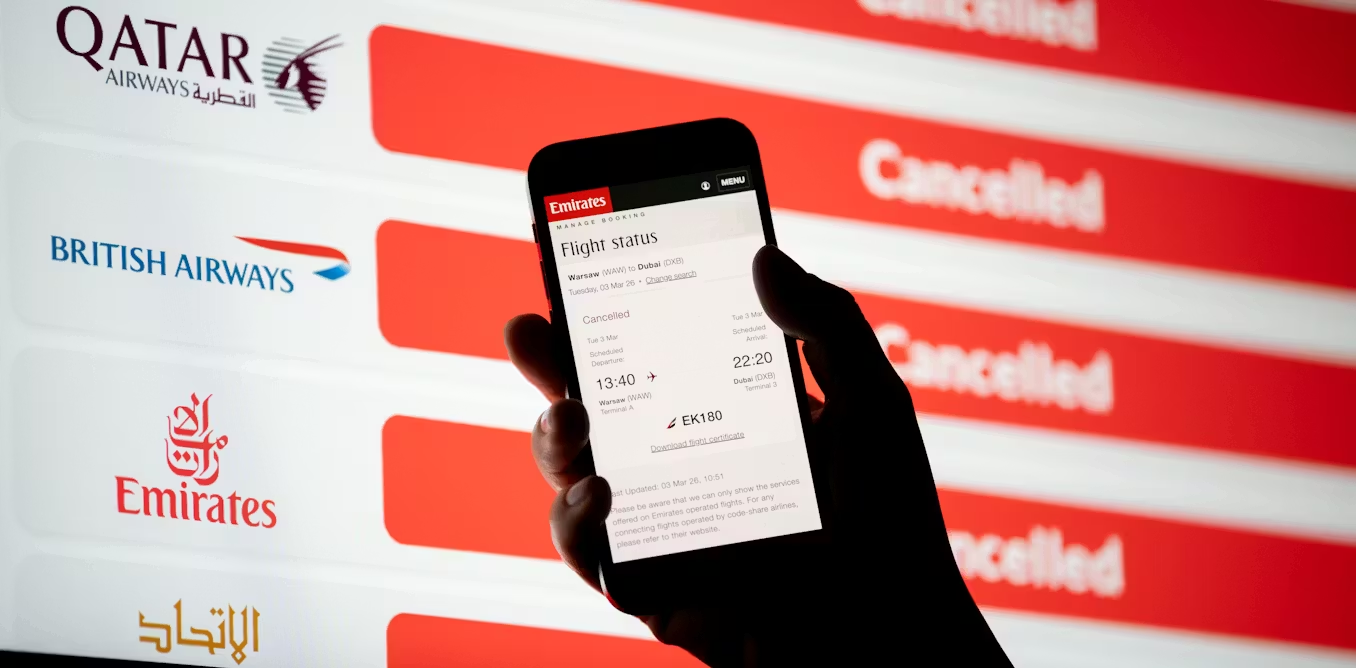
Operational secrecy kept the US from making evacuation plans – and that means Americans in the Mideast could wait days
A longtime diplomat explains how the State Department normally encourages and helps Americans to leave countries amid political instability and war – which didn’t happen over the last week.
Is it ‘Ih‑ran’ or ‘E‑ron’? Inside the politics of pronunciation
Both President Trump and Vice President Vance pronounce Iran as ‘Ih-RAN,’ not ‘Ih-RON.’ A linguist says that how the country’s name is pronounced may be a political choice.
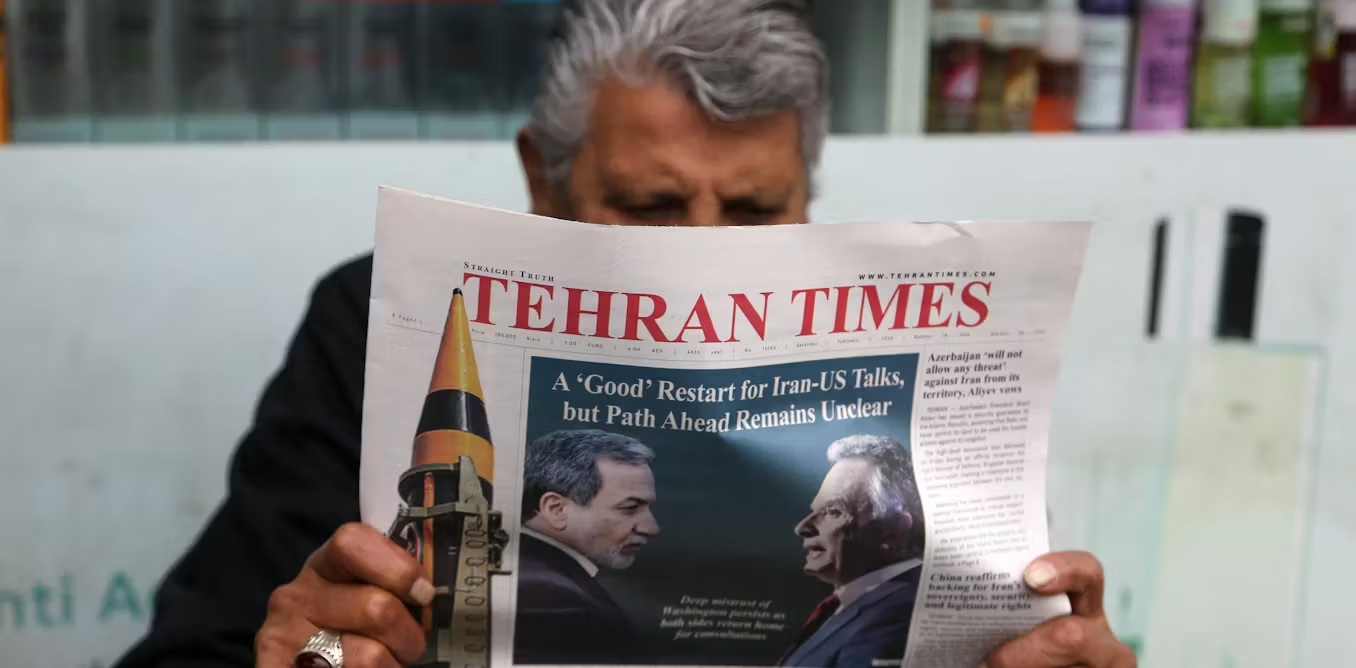
War on Iran during nuclear negotiations undermines the US’s ability to talk peace around the world − and the effects won’t end when Trump leaves office
Conducting military strikes against a nation that is engaged in negotiations to reduce its nuclear capacity has set a dangerous precedent.