US Congress
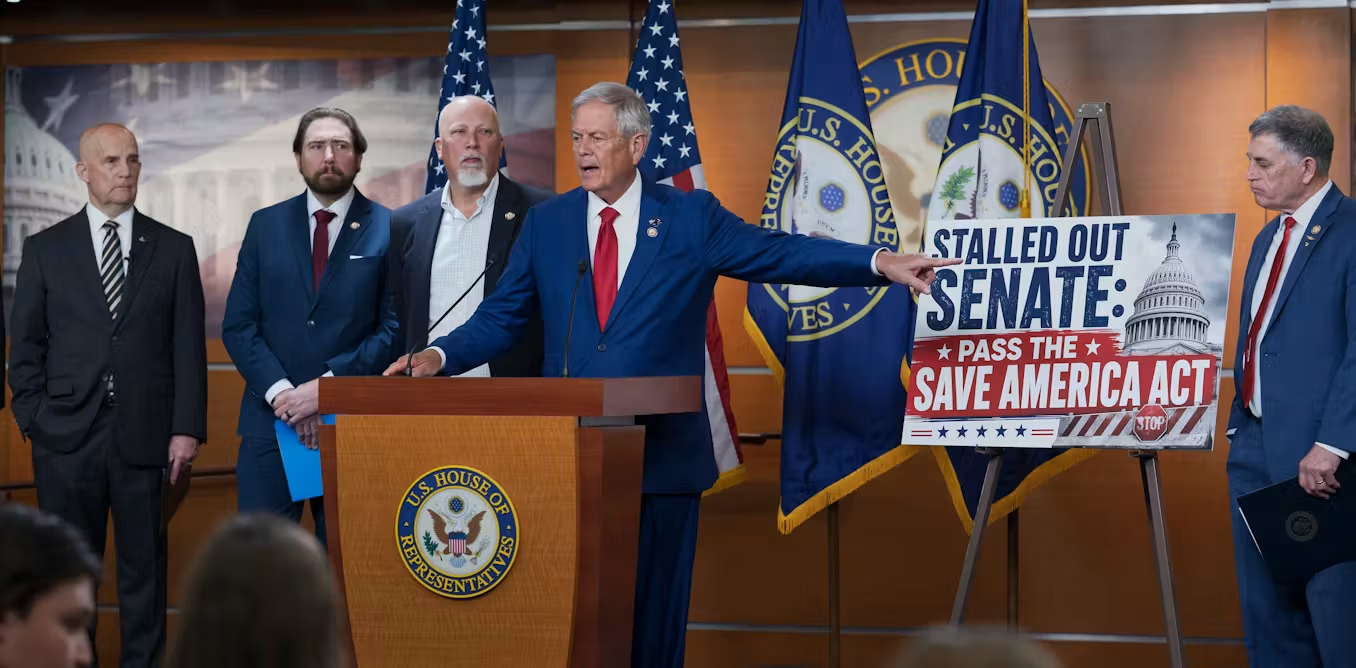
Republicans control Congress, so why is Trump’s SAVE America Act stuck?
Republicans hold both chambers and publicly back the president’s signature bill that would curtail mail-in voting and enforce strict voter ID laws. Here, a public policy and politics scholar explains why it still isn’t law.
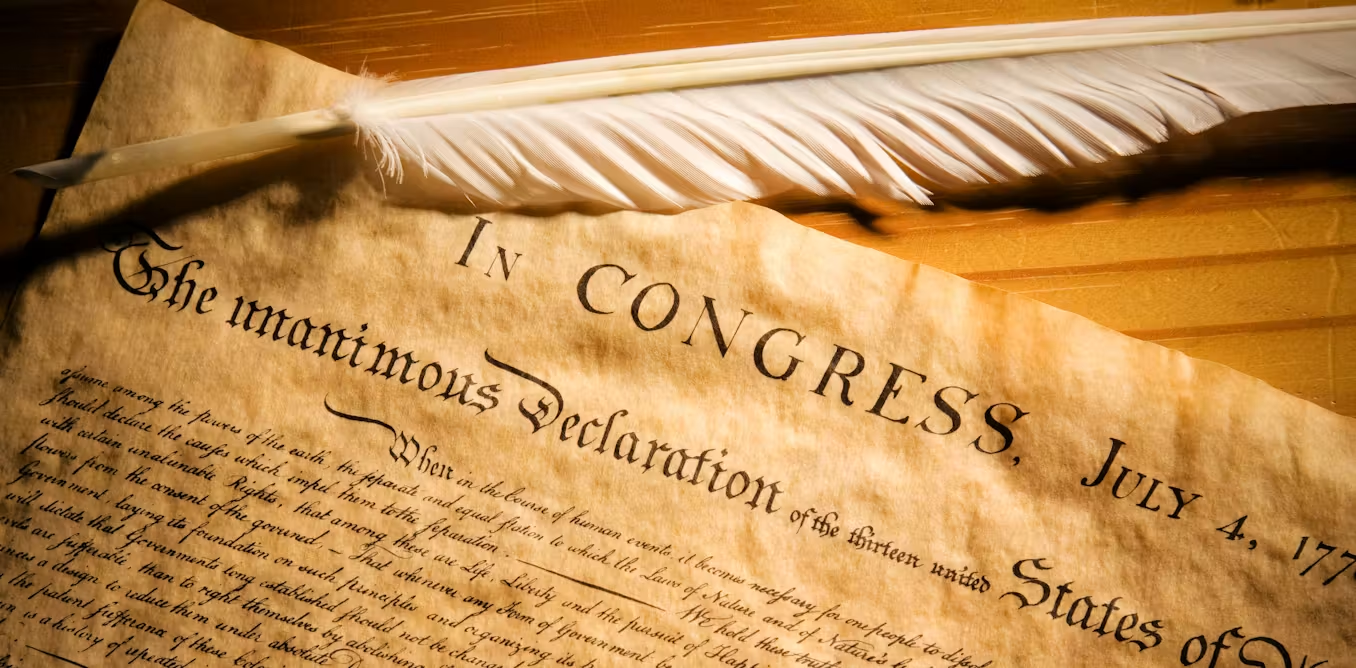
1776’s Declaration of Independence inspired Washington’s troops to fight against the odds – and also helped bring in powerful allies
The Declaration of Independence isn’t just a philosophical breakup letter. It was a strategic move to secure vital support for America after its first declaration of war.
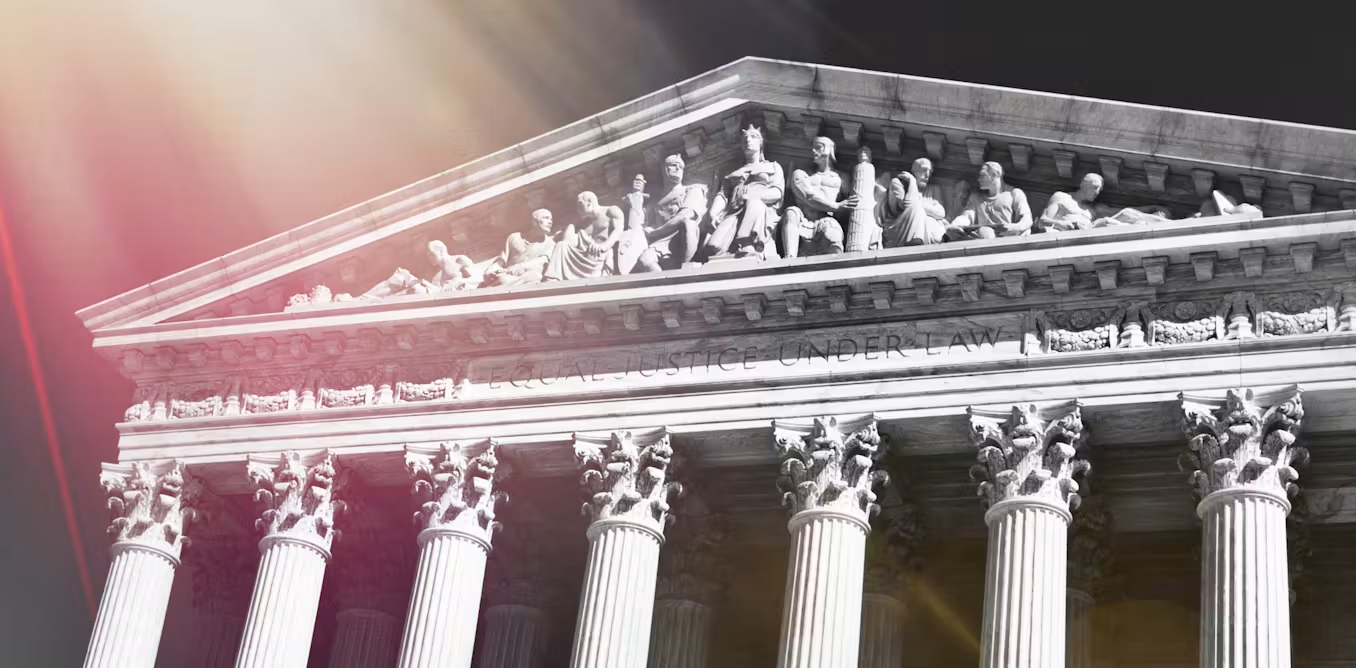
‘In the end the court did its job’ – a former federal judge reviews a Supreme Court term full of momentous decisions
A former federal judge analyzes key Supreme Court decisions this term, reflects on growing judicial invective evident in its opinions, and judiciously gives praise for some great writing.

Washington DC’s physical appearance has long been a battleground for competing national ideals and presidential visions
President Donald Trump’s capital redesign follows centuries of debate and discussion about how Washington should look to the world.

Why thousands of federal lawyers leaving government service matters for everyone in the justice system
More than 10,000 attorneys who worked for the US government have left their jobs during the second Trump administration; a former federal judge analyzes the impact of that exodus.
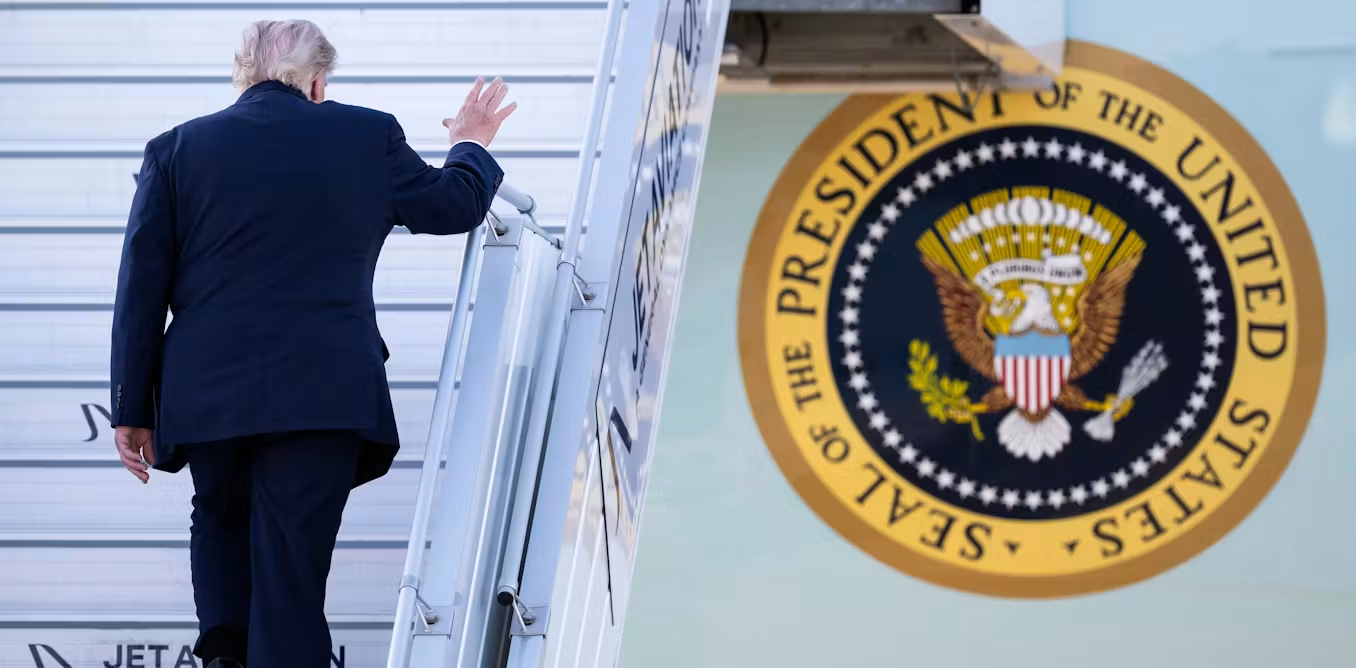
Trump doesn’t own the government – even though he acts as if Congress is not his equal in constitutional power and authority
In President Donald Trump’s public language, Congress rarely appears as a coequal branch of government. It appears as an obstacle, an audience, a pressure point, a rubber stamp or an afterthought.
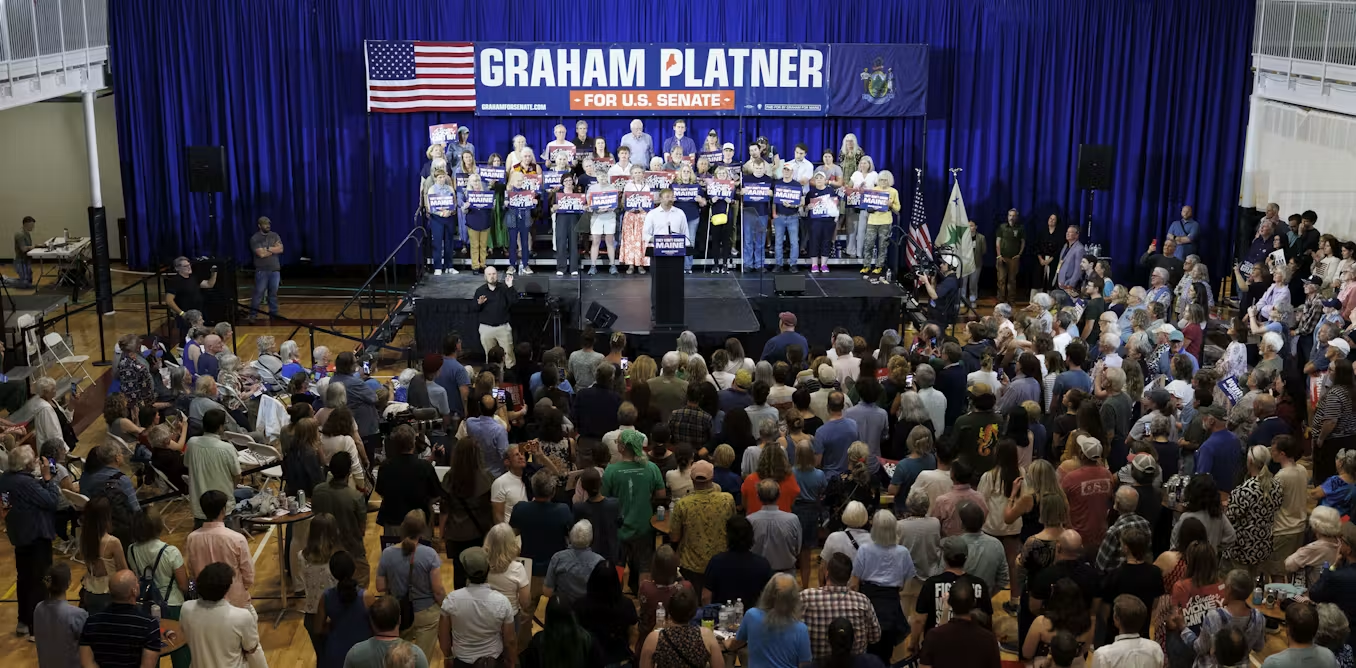
Americans keep voting for scandal‑prone candidates because they just don’t want the other party to win
Polarization and negative partisanship have lowered the standards for whom Americans are willing to support.
How money exchanges between House members shape the balance of power in Congress
Campaign contributions among House members show how parties build influence, protect vulnerable members and respond to election pressures.
Both Democrats and Republicans give millions to universities in earmarks – but not in the same way
Democrats tend to give less than Republicans when it comes to earmarked funding for universities – but they give more to minority-serving institutions.

Democrats don’t get why they’ve lost most working class voters
Class-war rhetoric from Democratic candidates jams working-class voters into a prefabricated progressive agenda, an expert on rural and working-class communities argues.