Moving the Workday Too: A Smarter Way to Relocate a Fayetteville Home Office
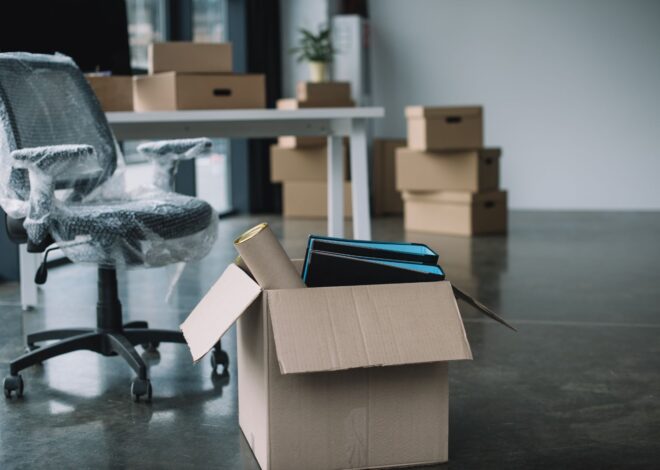
A home office tends to accumulate its own ecosystem. There is the obvious desk and computer, but also monitors, chargers, paperwork, printers, books, office supplies, cables, storage cabinets, and the small objects that make the space functional. When the household moves, losing track of any one of these pieces can make working from the new home unexpectedly difficult.
A Fayetteville home office deserves a dedicated moving plan, particularly for people who work remotely or manage a business from home. By separating technology, documents, furniture, and everyday supplies before packing, homeowners can make the transition without turning the first workday at the new address into a search for missing equipment.
Start With the Workstation
Begin with the central workstation rather than the miscellaneous drawers.
Measure the desk, chair, filing cabinets, shelving, and other substantial pieces. Then inspect the route from the office to the exterior of the house.
Check doorways, corners, stairs, and narrow hallways. A large desk may fit comfortably inside the office but become awkward when it has to be rotated through a doorway.
Decide What Needs Disassembly
Some desks, shelving units, and cabinets can be separated into smaller sections for transportation.
If you disassemble anything, keep screws and fittings in clearly labeled bags. Photograph complicated connections before taking them apart so the workstation can be reconstructed more easily.
Protect the Technology First
Computers and monitors should be treated as a separate category from ordinary household belongings.
Back up important files before disconnecting equipment. If you use an external storage device for essential work, maintain another secure backup rather than relying on a single physical copy.
Photograph cable connections before removing them. Label cords, adapters, docking stations, and peripherals so each component remains associated with the correct device.
Movers in Fayetteville should also know about unusually large monitors, specialized equipment, or other fragile technology before moving day.
Give Paperwork Its Own System
A home office can contain sensitive documents, tax records, contracts, receipts, client information, or other important paperwork.
Sort these materials before packing. Keep confidential and irreplaceable documents under your direct control whenever practical rather than placing them inside the general household shipment.
Use clearly labeled folders or containers for records that are being transported.
Avoid the “Miscellaneous” Box
Random office supplies are easy to throw into one container, but this can make unpacking surprisingly frustrating.
Group pens, notebooks, cables, printer supplies, folders, and other small items by function.
A box marked “Office – Printer Supplies” is immediately useful. A box labeled “Miscellaneous” is not.
Keep the Home Office Operational Until the End
If you work from home, packing the office too early can create an unnecessary disruption.
Identify the equipment and supplies you need every day and leave them accessible until shortly before the move.
Create a separate workday kit containing your laptop, charger, headphones, notebook, essential documents, and other daily necessities.
Keep this kit with you rather than placing it into the moving truck.
Prepare the New Workspace Before Delivery
The destination office should be considered before the furniture arrives.
Measure the room and decide where the desk, chair, shelving, and storage will go. Check the locations of power outlets and determine where internet equipment will be positioned.
Think About Lighting and Accessibility
A workstation may have worked well in the old room but feel awkward in a different layout.
Consider natural light, outlet access, door clearance, storage, and the amount of space needed behind the chair.
Deciding these details beforehand reduces unnecessary furniture movement after unloading.

Coordinate the Move Around Your Work
A home office relocation does not necessarily have to interrupt an entire workweek.
If your schedule allows, complete the move during a period when business activity is lower. Inform clients or colleagues if you expect temporary disruptions.
For people working remotely, arrange an alternative workspace for the period when computers and networking equipment are disconnected.
Professional support from Milestone Relocation can take much of the physical work out of the process, allowing homeowners to concentrate on keeping their professional responsibilities on schedule.
Protect Office Furniture
Office furniture can have finished wood, glass, metal, or delicate surfaces.
Protect desks and cabinets appropriately, paying particular attention to corners and exposed edges. Remove loose items from drawers and secure doors before transportation.
Do not leave heavy objects inside filing cabinets simply because the drawers close. Excess weight can make furniture considerably harder to move safely.
Label Everything by Destination
The home office may contain belongings that eventually need to be distributed between different rooms.
Use destination-based labels rather than relying solely on the original room name.
For example, “Office – Bookshelf” or “Office – Desk Accessories” makes unloading more efficient.
Movers in Fayetteville can then place boxes in the correct area without requiring constant direction.
Plan for the First Evening
A move often leaves the home partially unpacked. Your office may be one of the first rooms you want operational, particularly if you work the next morning.
Keep the essentials container accessible and prioritize the desk, computer, internet equipment, and basic office supplies during unpacking.
There is no need to organize every drawer immediately. Function should come before perfection.
Consider a Longer Relocation
If the Fayetteville move is part of a broader Greensboro relocation, allow additional time for transportation and setup.
Longer-distance moves make it especially important to keep essential technology, documents, and work supplies separate from the main shipment.
The priority is ensuring that a delay affecting household boxes does not prevent you from accessing the tools needed for work.
Give the Office a Fresh Start
Moving a home office is an opportunity to reconsider how the space functions. Before unpacking everything, decide whether you still need every piece of equipment, every filing cabinet, and every stack of old supplies.
Donate or discard items that no longer serve a purpose where appropriate.
Once the essentials are installed, organize the remaining belongings around the way you actually work now—not necessarily the way you worked at the previous address.
Get Back to Work Without the Box Hunt
A successful Fayetteville home office relocation depends on more than protecting a desk and computer. Back up important data, organize cables, secure documents, measure furniture, prepare the destination workspace, and keep daily essentials separate.
By giving Movers in Fayetteville accurate information about the office inventory and access conditions, homeowners can make the physical transition considerably more manageable. With Milestone Relocation handling the demanding transportation work, the new office can become functional quickly, giving the workday a smoother restart at the new address.