Boston to San Diego: Turning a 3,000-Mile Relocation Into a Manageable Plan
A move from Boston to San Diego changes almost everything at once: the distance, climate, daily rhythm, and even the way your belongings need to be prepared. Covering roughly 3,000 miles means that a successful relocation cannot depend on improvisation. The earlier you establish priorities, the easier it becomes to coordinate packing, transportation, travel, and arrival.
The first step is to create a realistic picture of the move. Decide what is traveling with you, what will be shipped separately, and what no longer deserves space in the new home. Having those decisions settled makes the rest of the preparation considerably more straightforward.
Start With the Destination, Not the Boxes
Before packing begins, investigate the San Diego property. A downtown apartment, suburban house, and coastal condominium can have completely different delivery requirements.
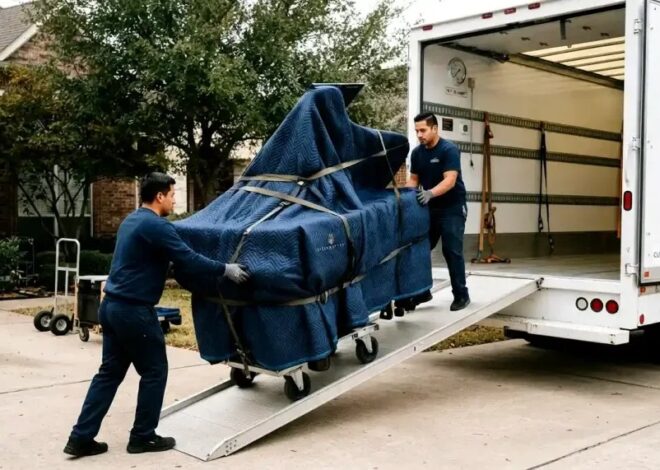
Check the entrance dimensions, parking arrangements, stairs, elevator access, and any building rules that could affect unloading. If you are moving into a managed property, ask whether a specific delivery window must be reserved.
For an overview of relocation options, the Boston Just Helpers Moving website is available at https://bostonjusthelpersmoving.com/.
Decide What Earns a Place on the Truck
A 3,000-mile move is a useful reason to reconsider possessions rather than automatically transporting everything.
Walk through each room and identify furniture that may not suit the new home. Do the same with clothing, appliances, decorations, books, and duplicate household items. Selling or donating unnecessary belongings before packing can reduce the shipment and make the eventual unpacking process easier.
Divide Preparation Into Distinct Phases
Trying to complete everything simultaneously creates confusion. Instead, separate the relocation into several stages.
Early preparation: confirm the moving date, destination access, travel plans, and household inventory.
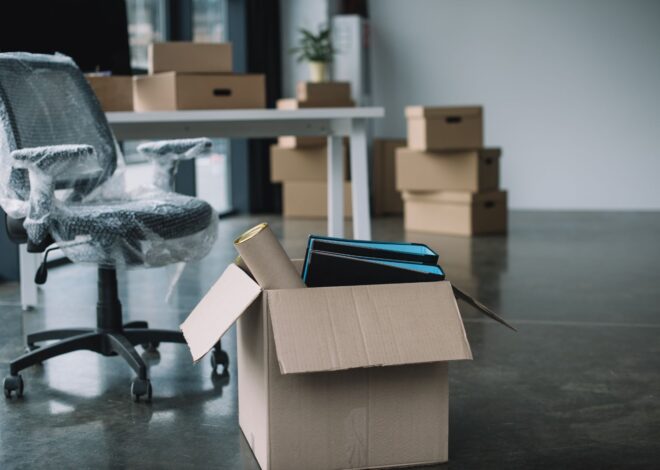
Packing period: work through less frequently used belongings first, leaving everyday necessities accessible until the final days.
Departure: protect important documents and personal essentials so they remain with you rather than disappearing into the shipment.

Arrival: establish the essential rooms first and deal with secondary organization afterward.
This simple division gives the move a sense of progression, particularly when the household is large.
Prepare Belongings for a Long Journey
Distance changes the importance of careful packing. Items that might survive a short local trip without much protection deserve greater attention when they will spend considerably longer in transportation.
Give Fragile Items Extra Attention
Glassware, artwork, electronics, mirrors, collectibles, and delicate furniture should be identified before packing starts. Use appropriate protective materials and make sure boxes are not overloaded.
Furniture should also be assessed individually. Some pieces may benefit from disassembly, while others require corner protection or additional wrapping. Photographing valuable possessions before loading can provide a useful record of their condition.
The dedicated Boston-to-San-Diego service information at https://bostonjusthelpersmoving.com/boston-to-san-diego/ can be part of your research when comparing relocation arrangements.
Plan Around the Climate Change
Boston and San Diego offer very different weather environments. Think beyond clothing when preparing the household.
Items sensitive to heat, moisture, or prolonged exposure should be packed appropriately. Certain cosmetics, electronics, wooden objects, and specialty materials may require extra consideration during transportation and storage.
Meanwhile, your personal travel bag should reflect the conditions you expect immediately after arrival rather than the weather you are leaving behind.
Keep an Arrival Kit Separate
Pack several days of essentials independently from the main shipment. Include clothing, toiletries, chargers, medications, important documents, basic kitchen items, and anything needed for work or school.
This small decision can make the first few days dramatically easier if you arrive before the household shipment is ready to be fully unpacked.
Give Yourself a Landing Period
A cross-country move does not end when the last piece of furniture enters the house. The new environment takes time to learn.
Instead of attempting to organize every room immediately, establish sleeping areas, make the bathroom functional, and arrange the kitchen enough for normal meals. Then gradually work through storage and decorative details.
A 3,000-mile relocation becomes much less intimidating when treated as a sequence of manageable decisions. By examining the destination first, reducing unnecessary possessions, protecting belongings for the distance, and preparing a separate arrival kit, you can transform a massive journey from Boston to San Diego into a structured transition with a clear beginning, middle, and next step.