Local
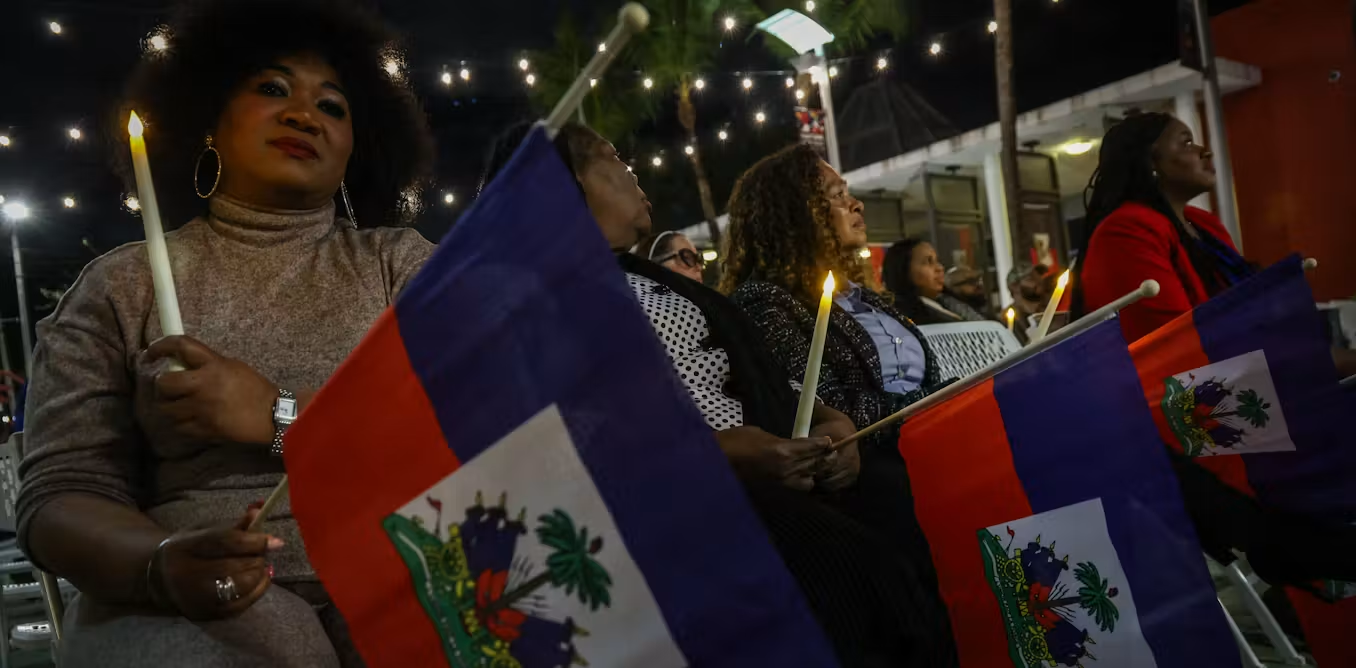
For Haitian women in Florida, the loss of TPS is more than an immigration law issue
The uncertainty of Haitian TPS status in the US is a significant source of stress for Haitian migrants, particularly women.
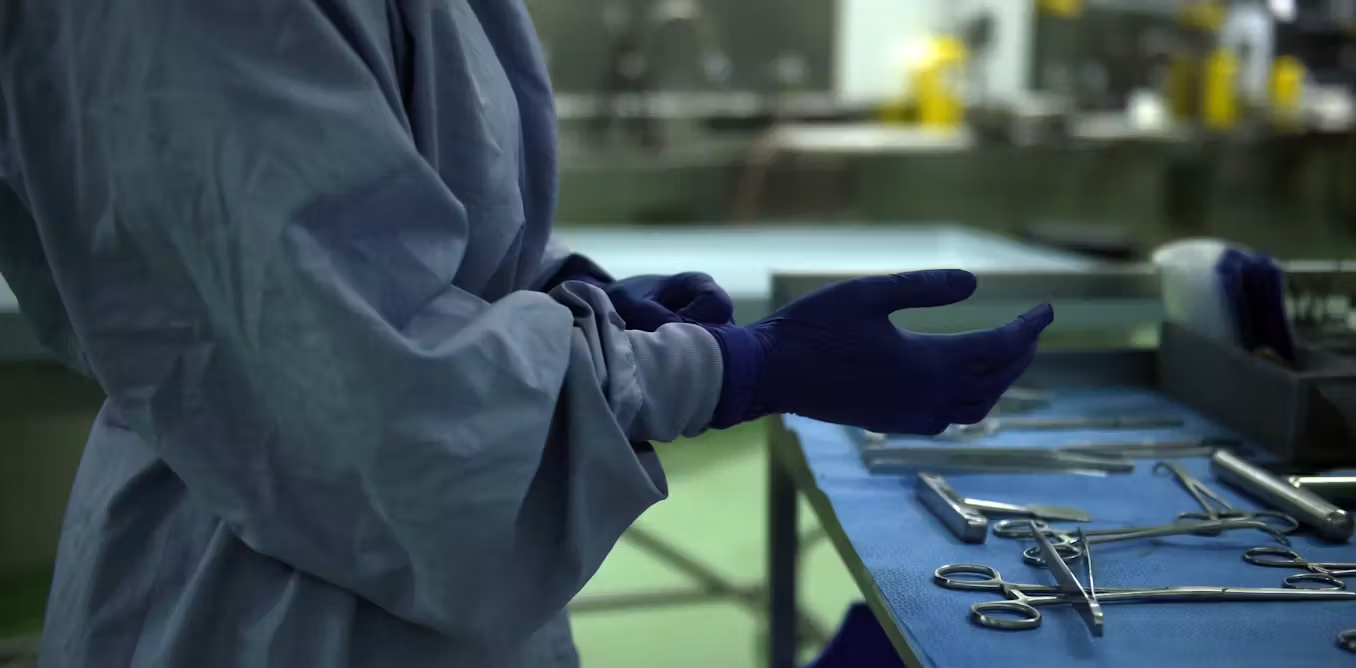
Pennsylvania coroners refuse to release autopsy reports – and that hinders research on deaths in custody
When coroners shield their records from public view, they’re not just violating the public trust. Often, they’re also breaking the law.

Colorado criminal cases are dismissed at a higher rate when prosecutors face heavier workloads
When prosecutors’ caseloads increase, so do dismissal rates.
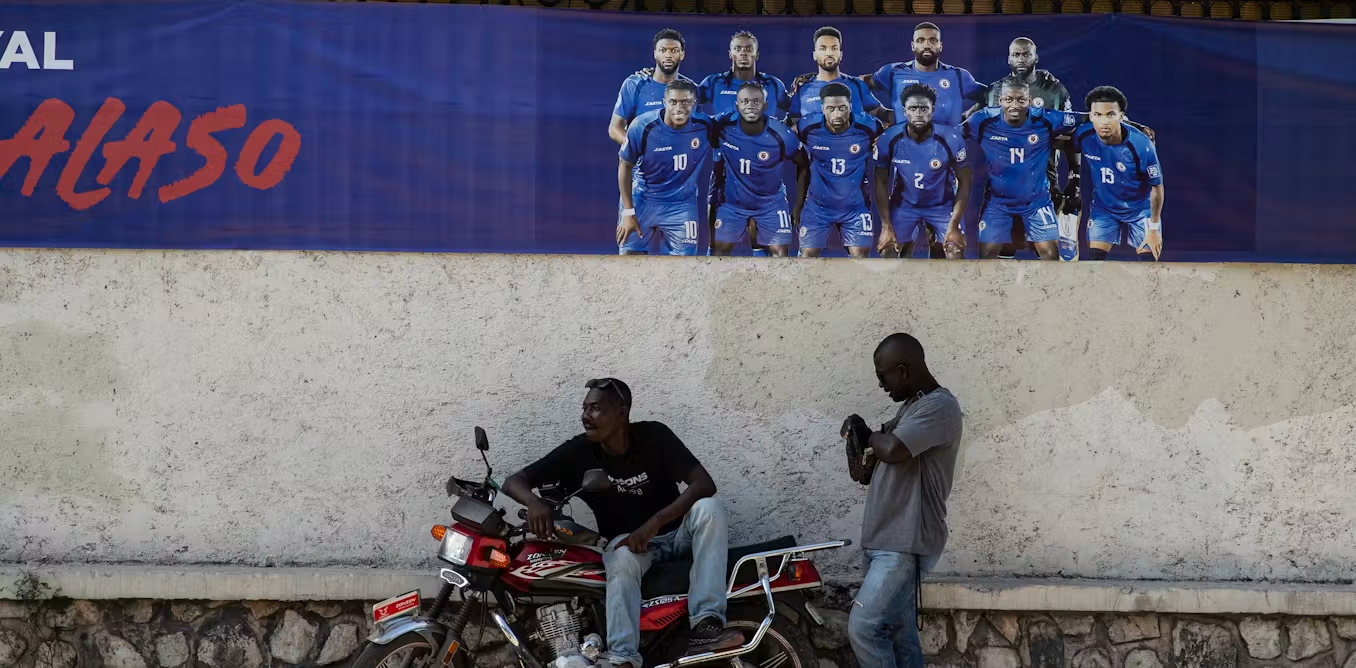
Haiti at the World Cup is more than an underdog tale – it is the story of global migration
For the first time since 1974, the Haitian men’s team has qualified for the World Cup. This is their story.
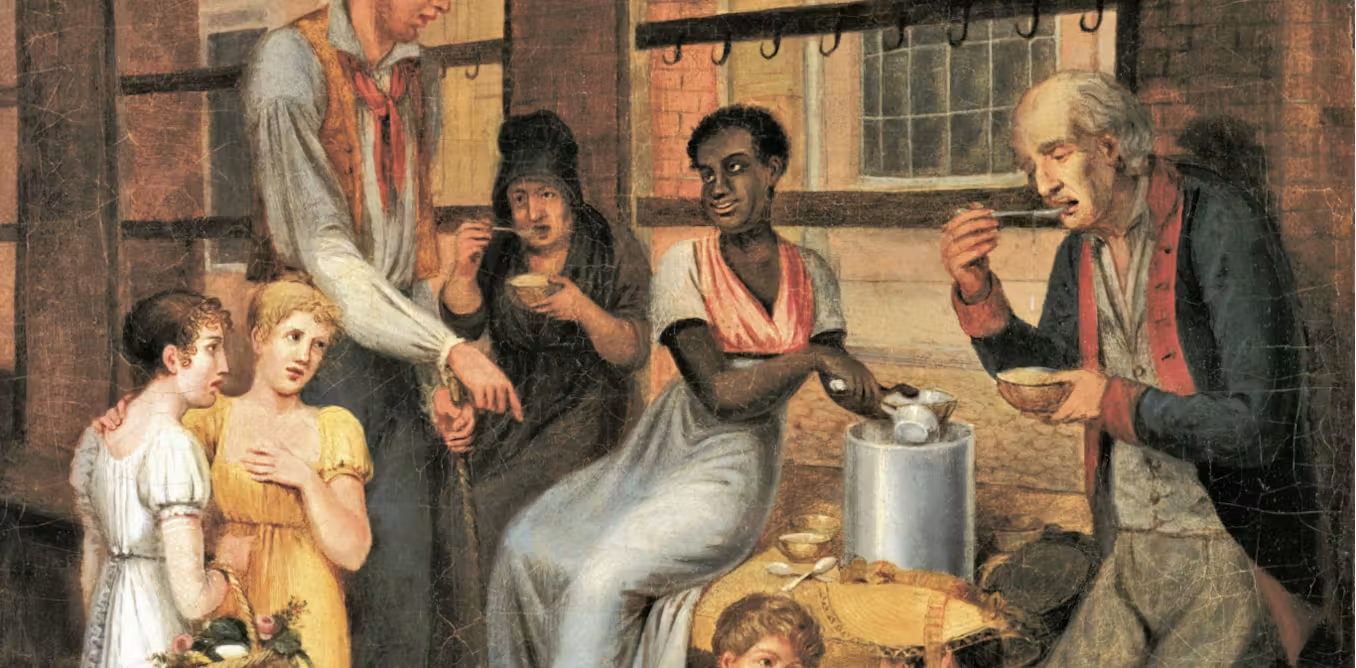
Pepper pot stew was survival food for the poor and a path to freedom for Black women in early Philadelphia
Dina escaped from slavery and sold pepper pot stew on the streets of Philadelphia, while her enslaver tried to recapture her.
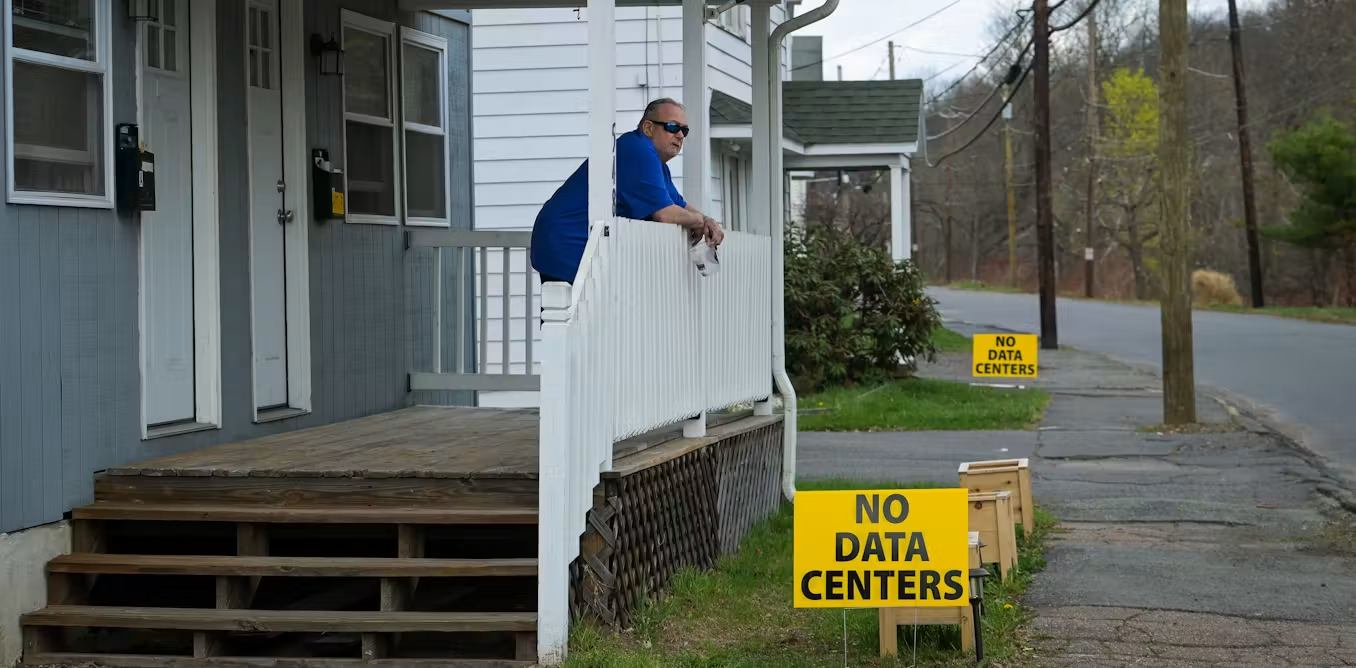
How Pennsylvania towns are protecting themselves from the noise, heat and utility costs of massive data centers
Communities across the state are demanding to know how proposed data centers would affect their electric and water bills, landscapes and quality of life.

Detroit is spending millions on gunshot detection tech – is it an effective tool in the fight against violent crime?
New research on ShotSpotter’s deployment in Detroit suggests the technology did not reduce officer response times.
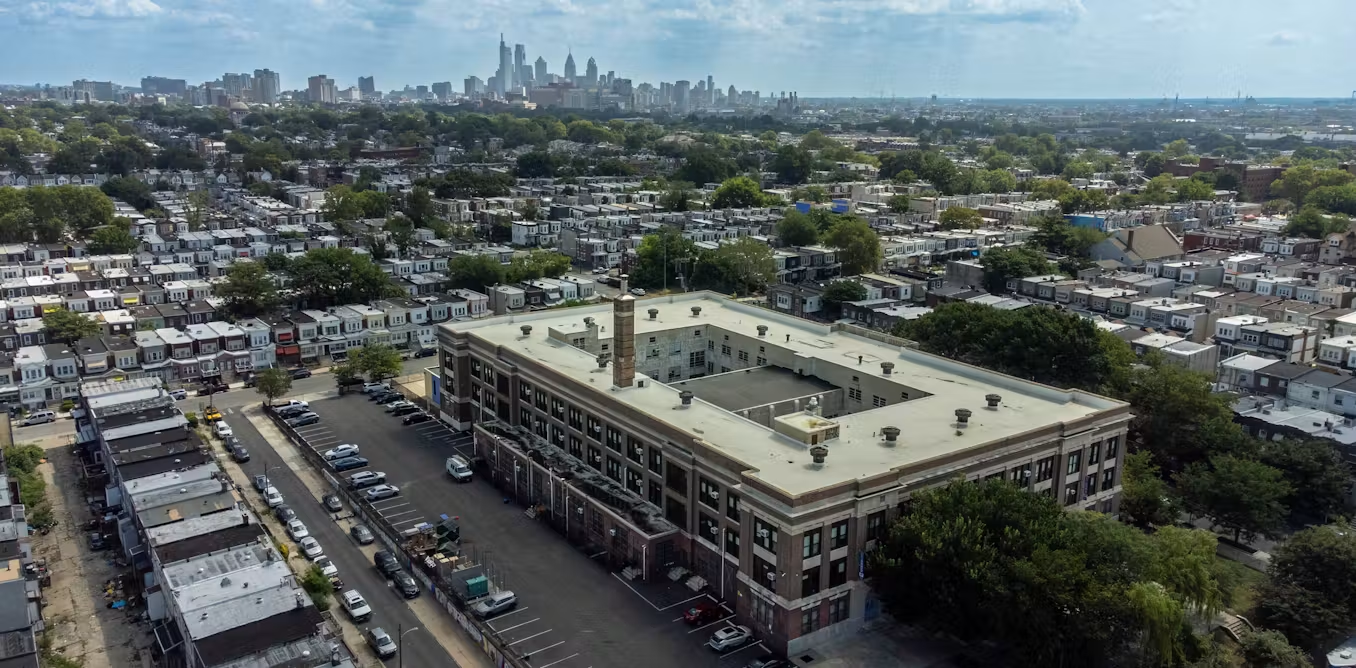
Philadelphia plans to close 17 neighborhood public schools – here’s what went wrong when it shuttered 30 schools in 2013
Nearly one-third of Philadelphia schools closed in 2013 still sit vacant while cyber charters banked millions in revenue.
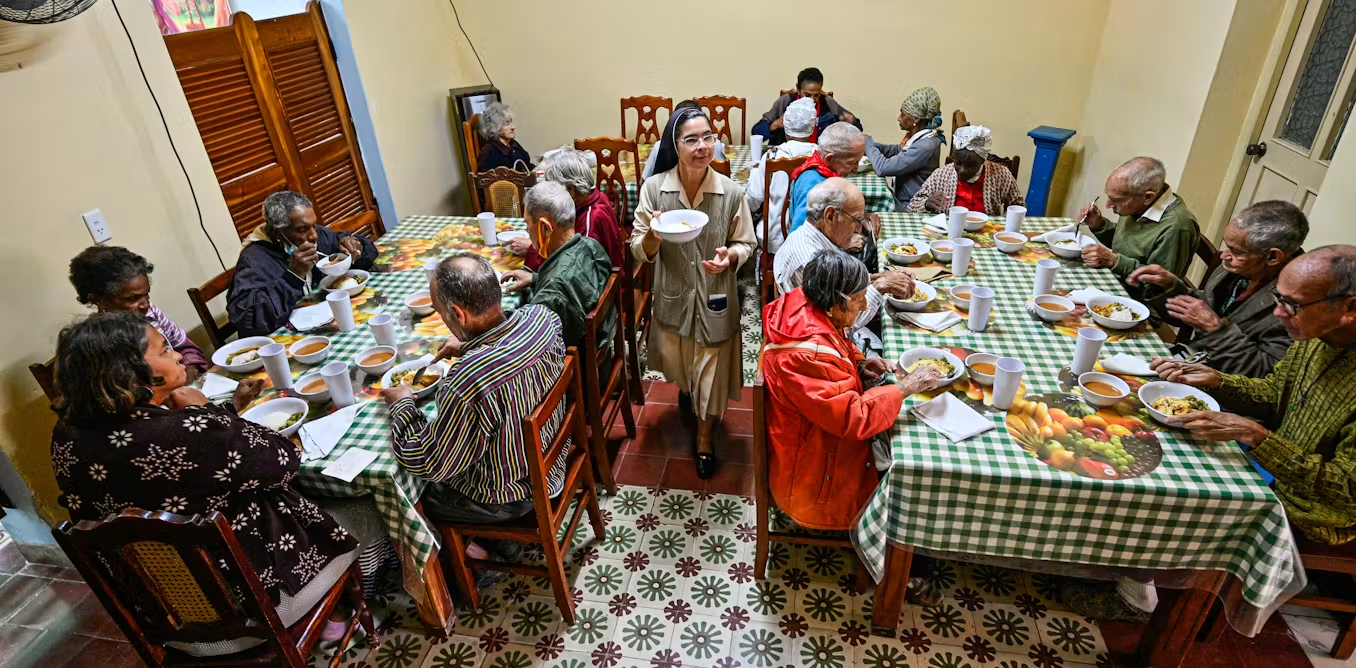
Trump administration pledges $100M in aid for Cuba, but only if Catholic or other faith‑based groups distribute it
The timing of the offer was thorny because it coincided with the US indictment of former Cuban President Raúl Castro.
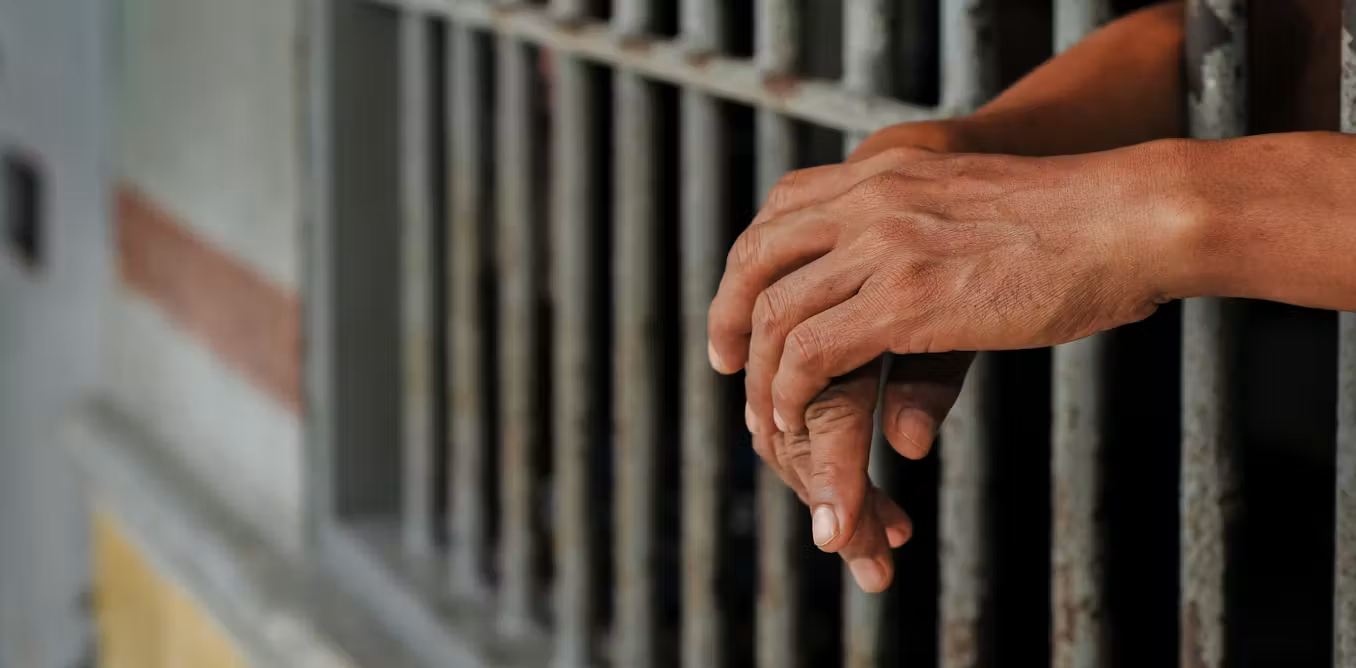
Colorado voted to end forced prison labor in 2018 – so why are incarcerated people in the state still working for less than $2 an hour?
Many jails and prisons are dependent on incarcerated labor to keep costs low.