America 250
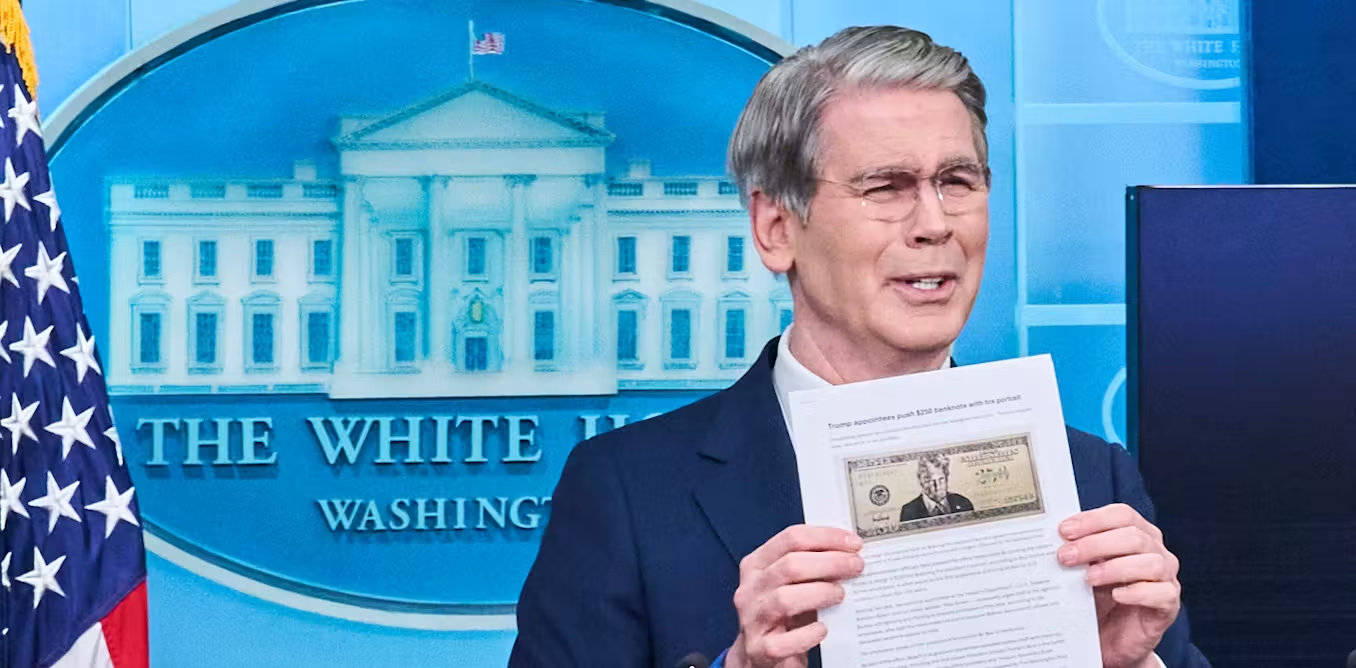
Featuring Trump on US coins and bills would put America in rare company
A professor of international relations counted the sitting leaders on over 1,000 of the world’s banknotes and coins; almost every one of them is a king or a queen.
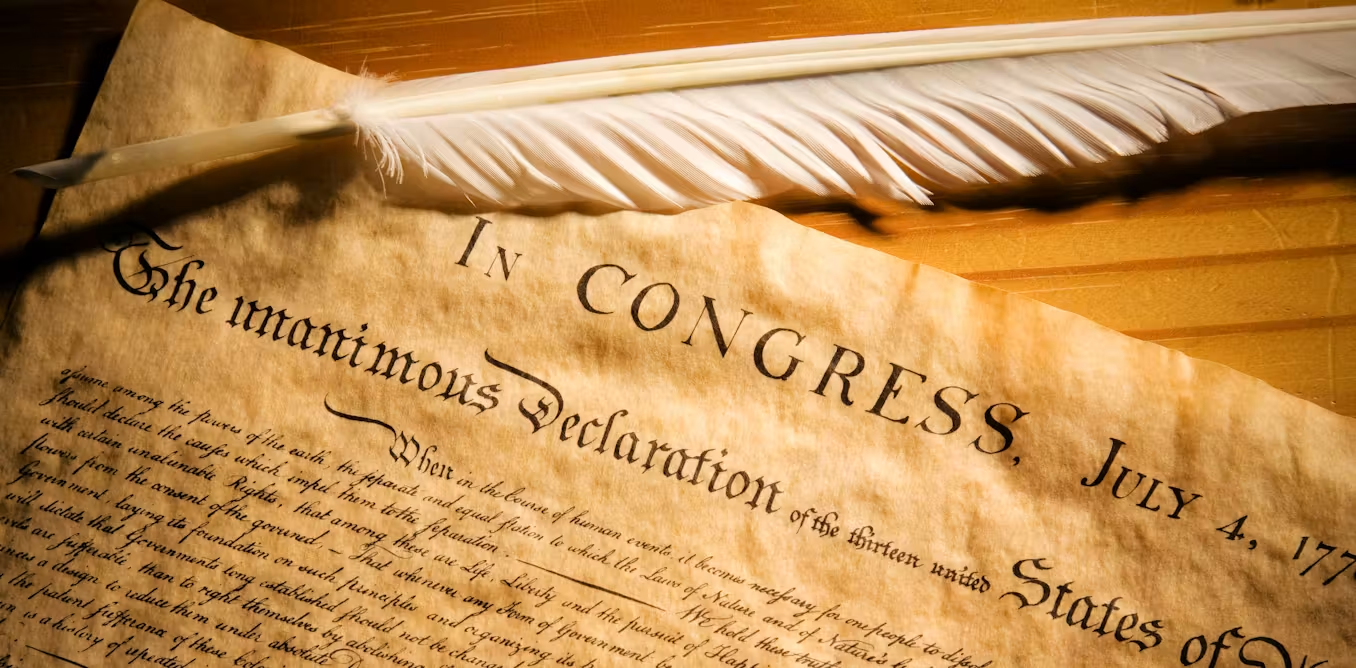
1776’s Declaration of Independence inspired Washington’s troops to fight against the odds – and also helped bring in powerful allies
The Declaration of Independence isn’t just a philosophical breakup letter. It was a strategic move to secure vital support for America after its first declaration of war.
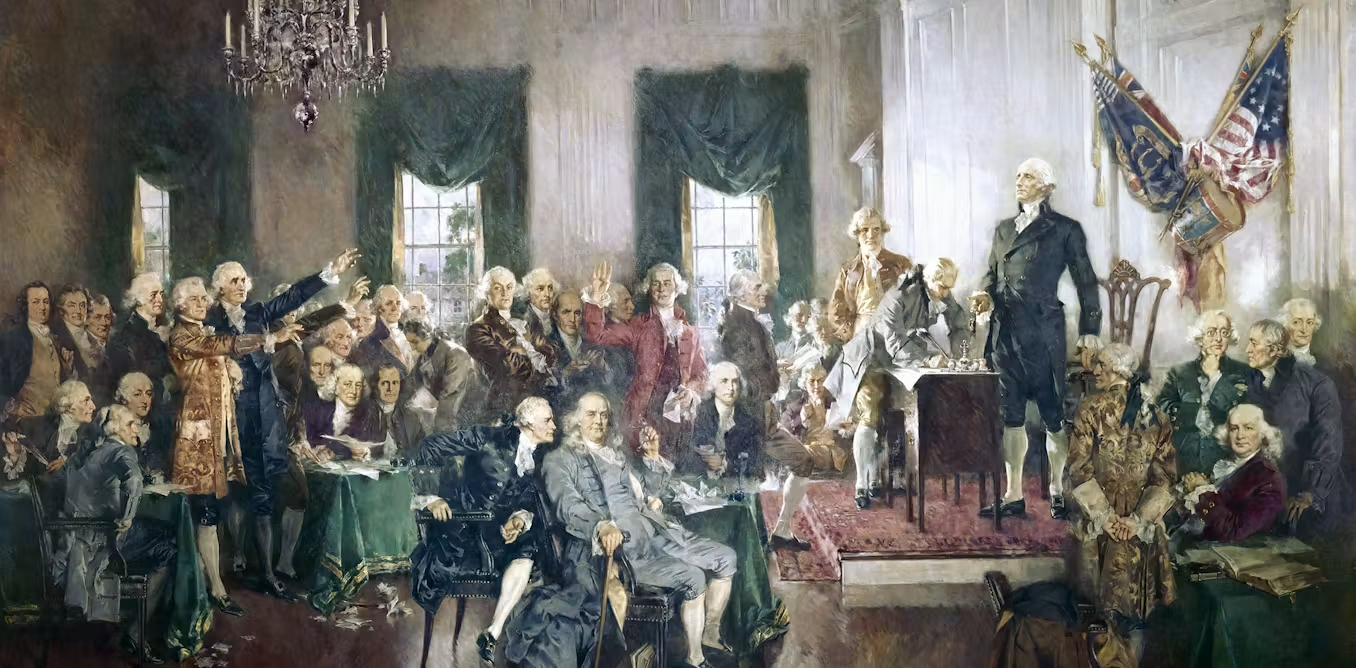
As the US turns 250, a forgotten founding influence helps explain its current unease
Montesquieu shaped how Americans understood liberty, and his warning about a ‘tyranny of opinion’ speaks to today’s polarization.
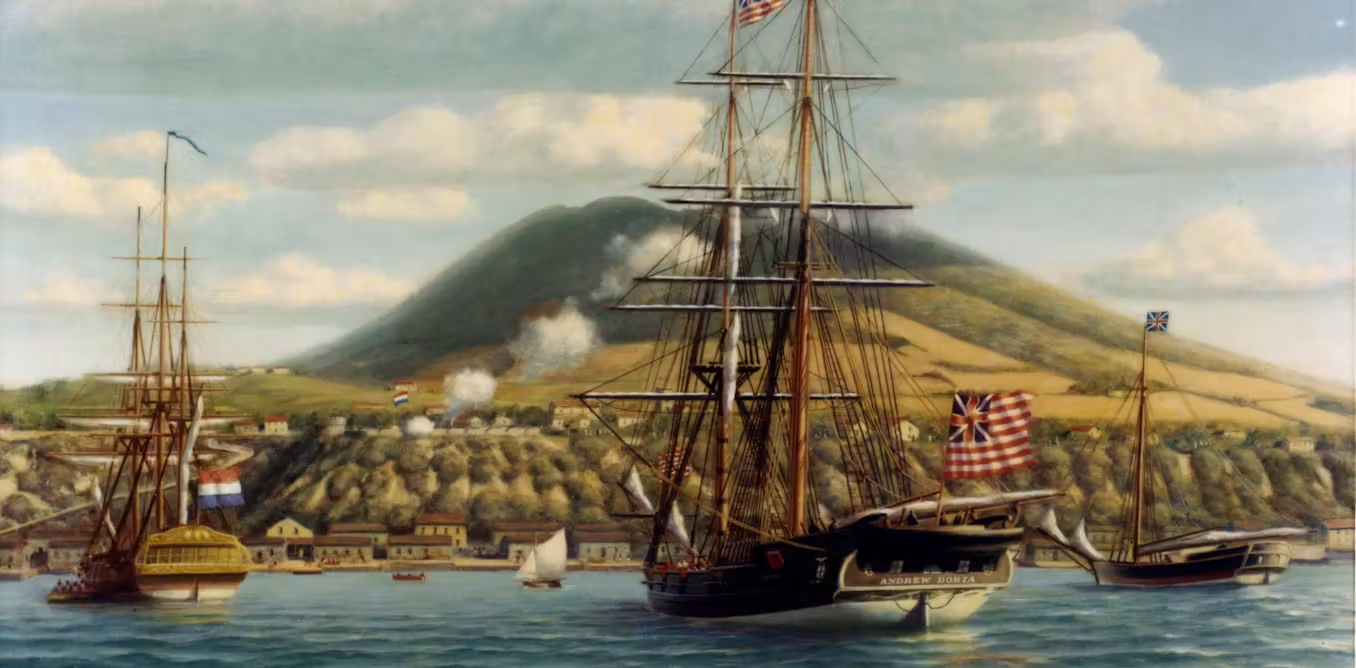
How a tiny Caribbean island made American independence possible
The American Revolution was won not just by ideals and armies, but by the strategic trade networks of a small Caribbean port.
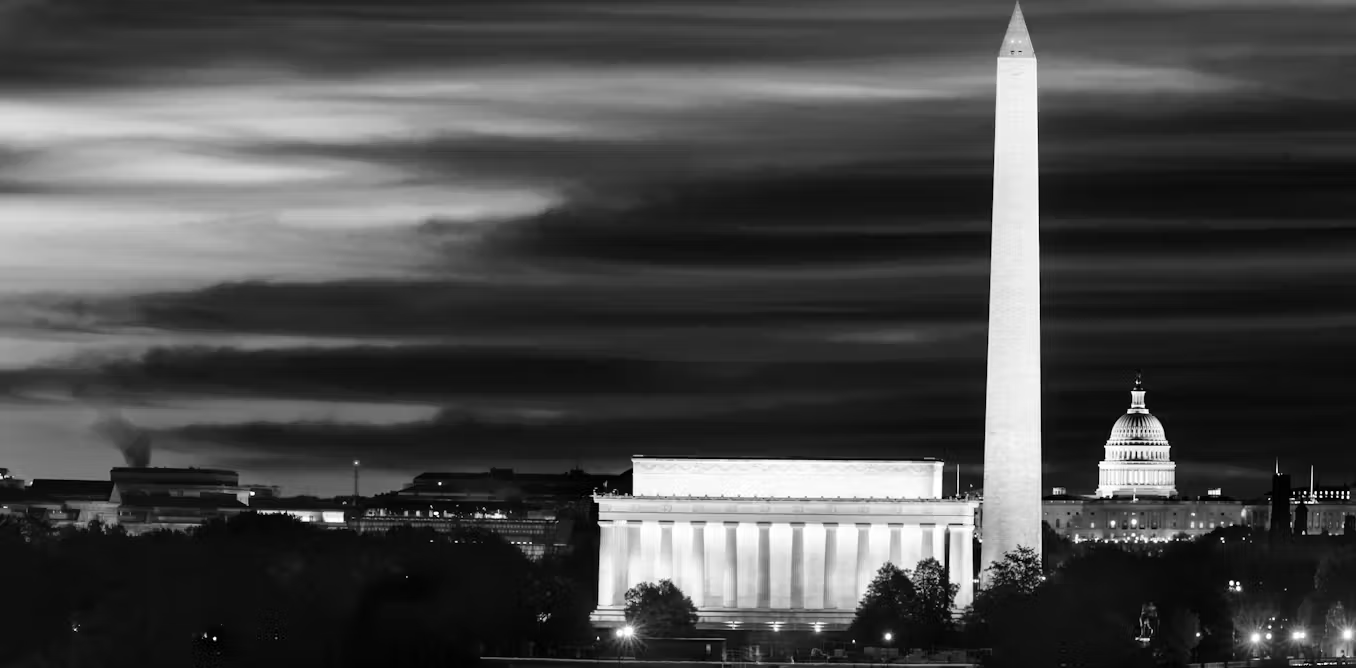
Washington DC’s physical appearance has long been a battleground for competing national ideals and presidential visions
President Donald Trump’s capital redesign follows centuries of debate and discussion about how Washington should look to the world.
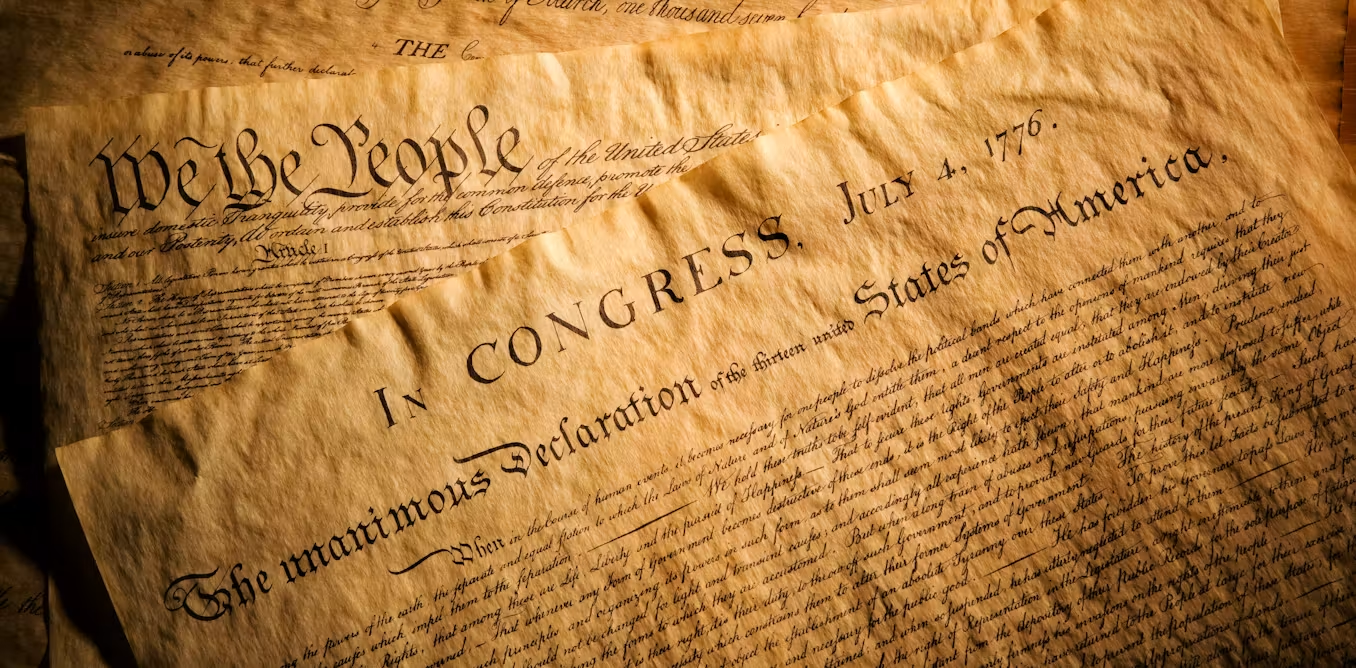
I study the Declaration of Independence, and here’s why the colonists’ grievances are surprisingly relevant, 250 years later
A partisan judiciary, arbitrary power, officials beyond the reach of the people – these are the grievances that drove a revolution.
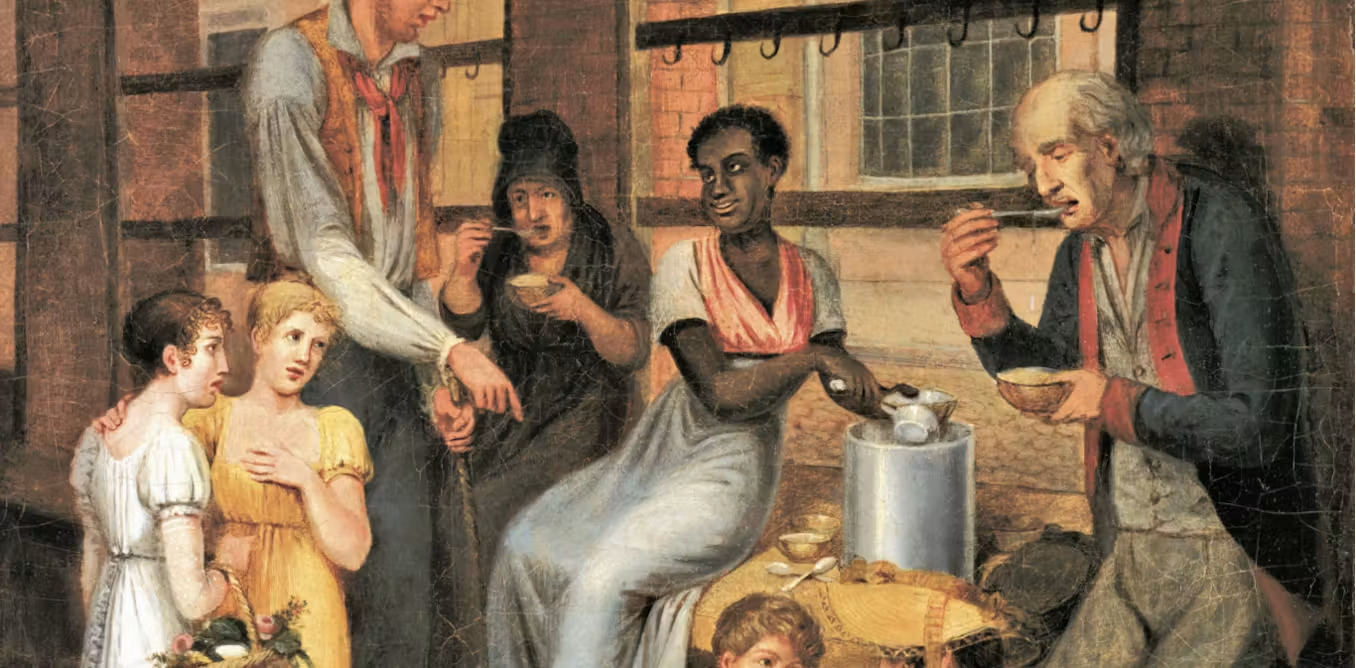
Pepper pot stew was survival food for the poor and a path to freedom for Black women in early Philadelphia
Dina escaped from slavery and sold pepper pot stew on the streets of Philadelphia, while her enslaver tried to recapture her.
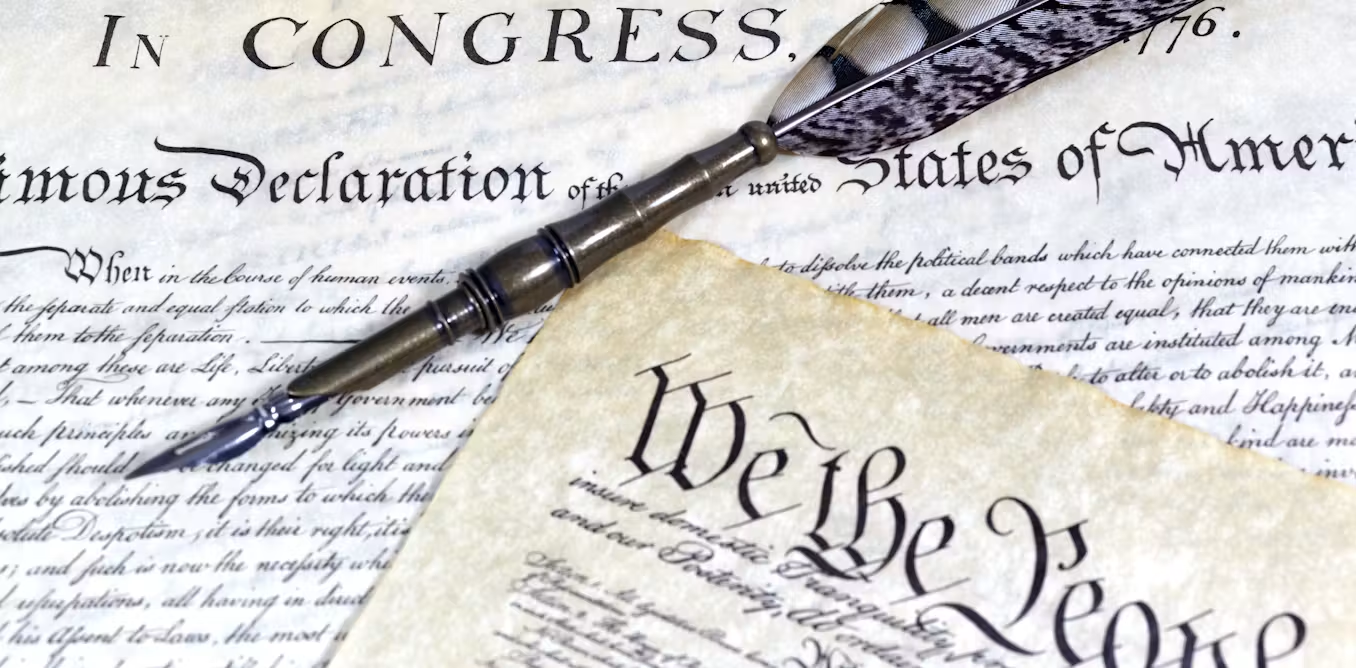
As America approaches its 250th anniversary, The Federalist remains an indispensable guide to understanding the constitutional system and the nation’s enduring independence
You know how important the Declaration of Independence and the Constitution were to making the United States. But do you know about The Federalist and the crucial role it played in the founding era?
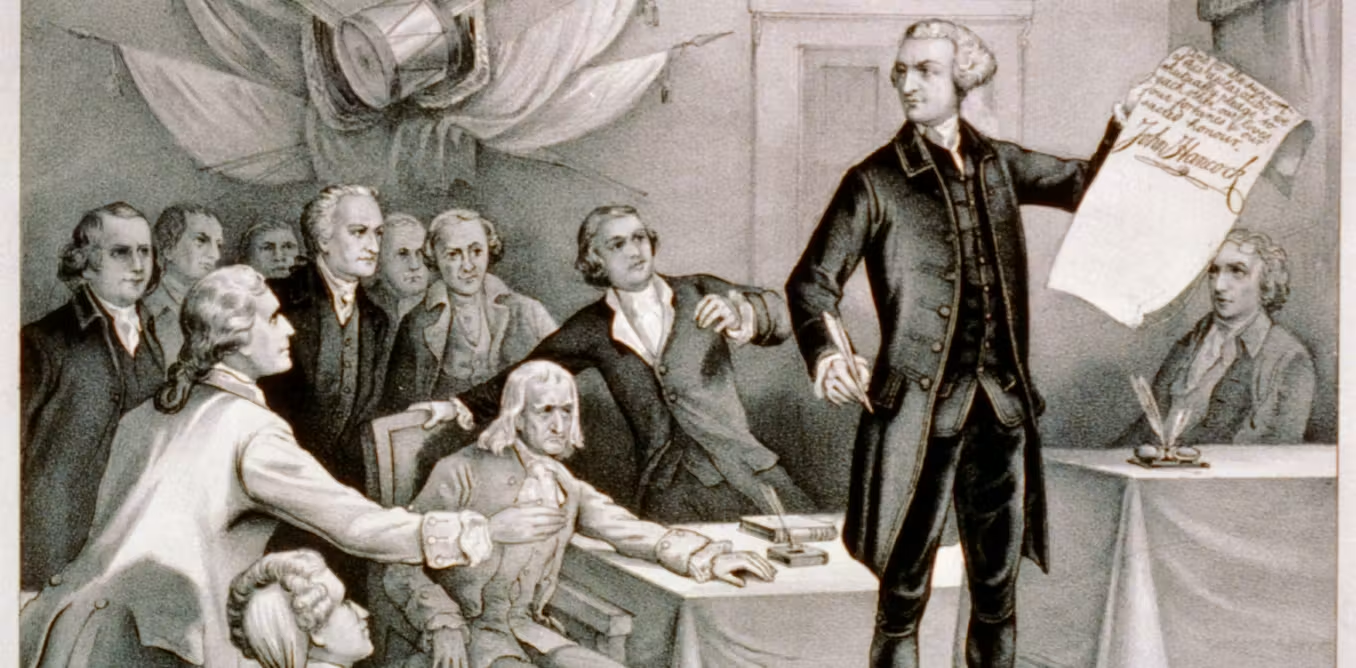
How America’s independence from England revolutionized US philanthropy
US charitable institutions rapidly changed in the 1780s as Americans established groups to support people in need and to reform society.
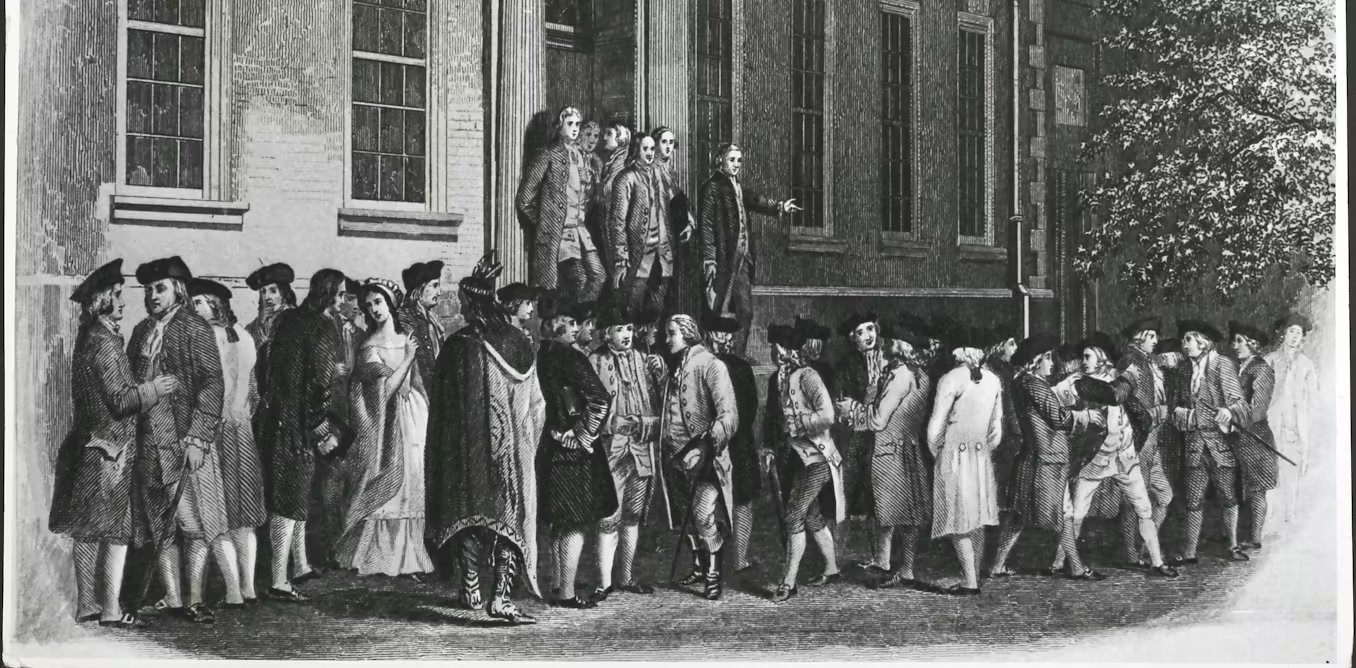
The American Revolution’s triumphant story of democracy and freedom overlooks loyalists who paid a steep price for allegiance to Britain
Matthias Aspden was a wealthy Philadelphia businessman who remained faithful to Britain. As a result, he lost his home, property and sense of belonging, and died in exile.