Learning
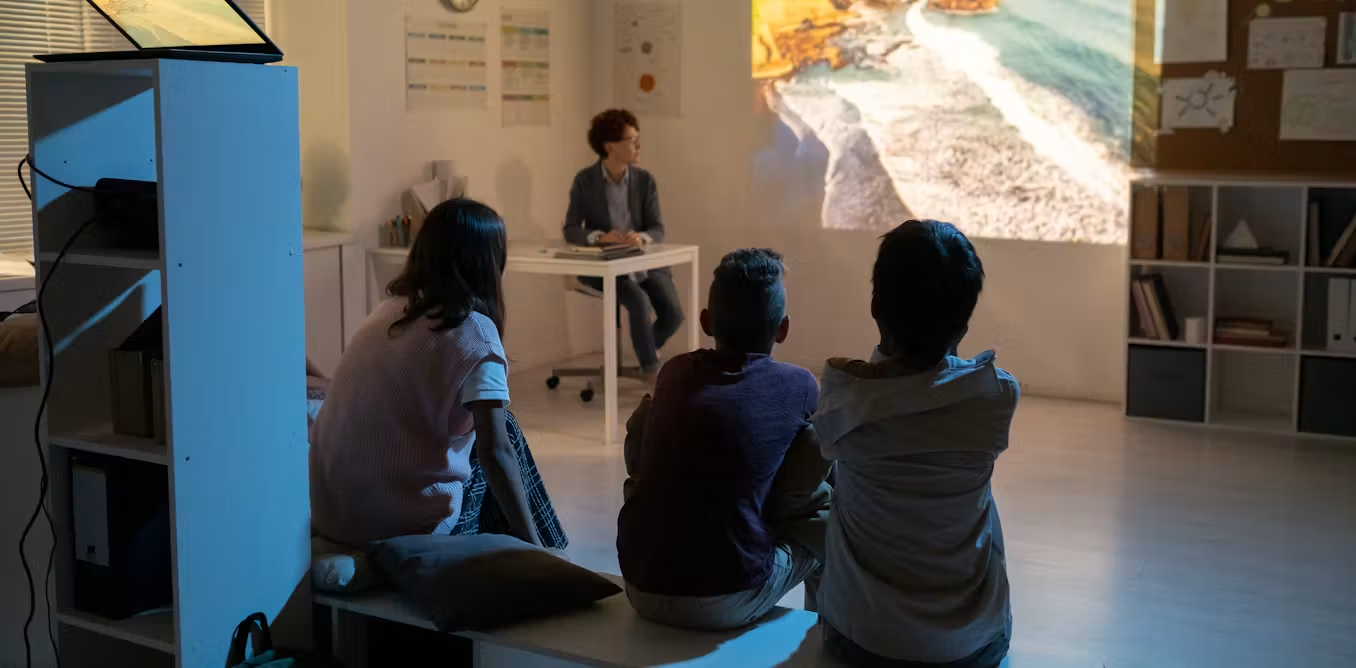
Class, let’s watch a short video – more than 75% of teachers say they use YouTube in the classroom
New research shows that YouTube is used not just as an occasional supplement, but as a staple of classroom instruction.
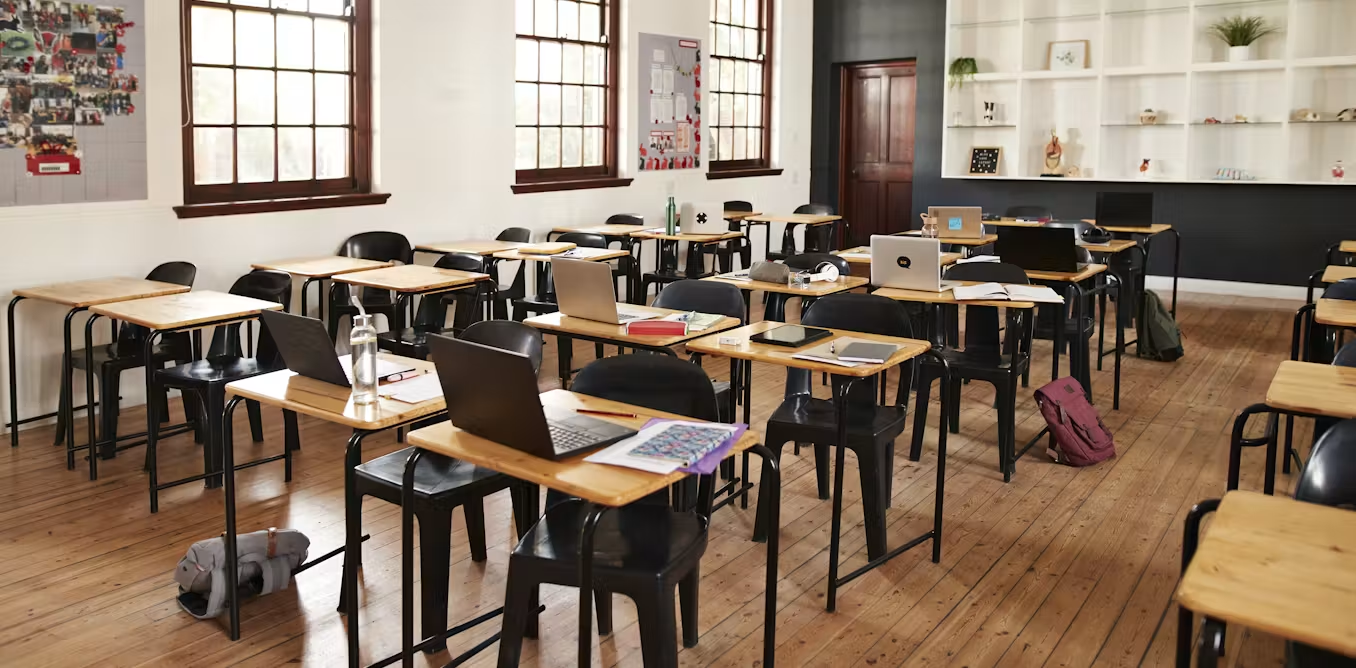
Schools are rethinking whether every student needs a laptop
Rather than considering how much time students spend on screens, the more useful question is whether they are asking questions and solving problems with the help of technology.
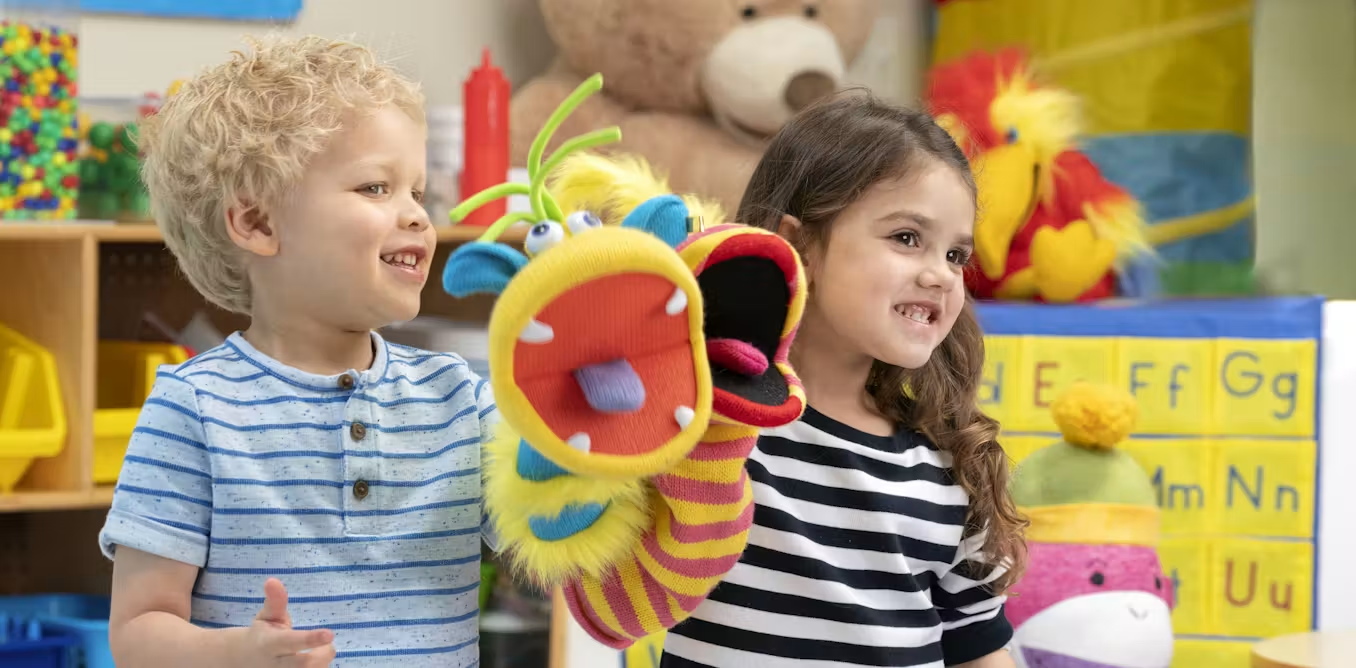
Play is essential for young children, including when it comes to their learning
Play-based early childhood programs can help young kids develop emotional regulation and problem-solving skills, traits that can serve them well throughout childhood.
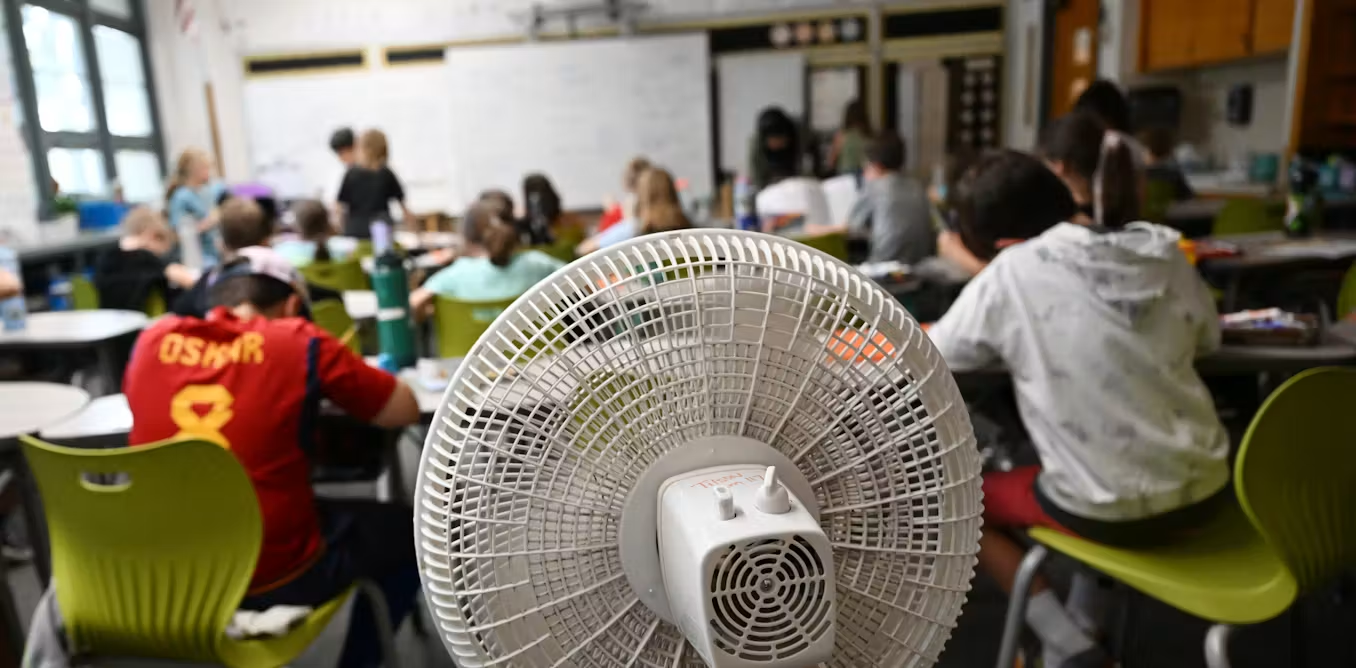
It’s getting hotter in classrooms and on playgrounds – schools aren’t ready to handle extreme temperatures
A rising number of school districts across the country are beginning their new academic years in July or August, raising the likelihood that kids and educators will encounter scorching days.
Teachers are worried about students cheating with AI, but my survey suggests the deeper issue is learning
As schools consider AI guidelines, educators are also thinking about how they can adjust their assignments to accurately measure what students are actually learning.

Many students listen to music to focus and stay motivated while they study – but it doesn’t always help
If students choose to listen to music while studying, they should consider music that is less distracting – and save high-energy playlists for when they don’t need to focus.
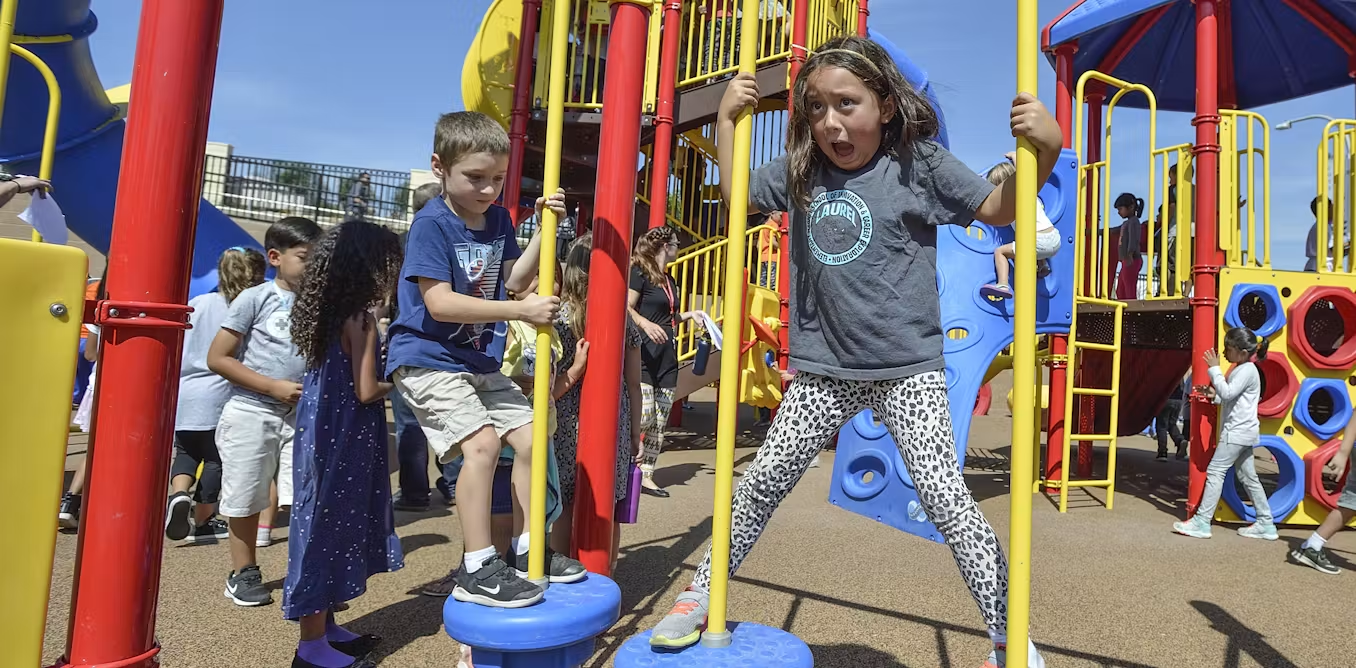
AI schools like Alpha promise efficiency, but can’t replicate the messy process that helps kids learn
AI schools try to tailor learning to match students’ abilities. But they can’t help young people learn who they are.
How does AI affect how we learn? A cognitive psychologist explains why you learn when the work is hard
Chatbots can facilitate ‘cognitive offloading,’ or taking shortcuts when learning. But emerging research on AI and cognitive science shows that learning is like a workout.
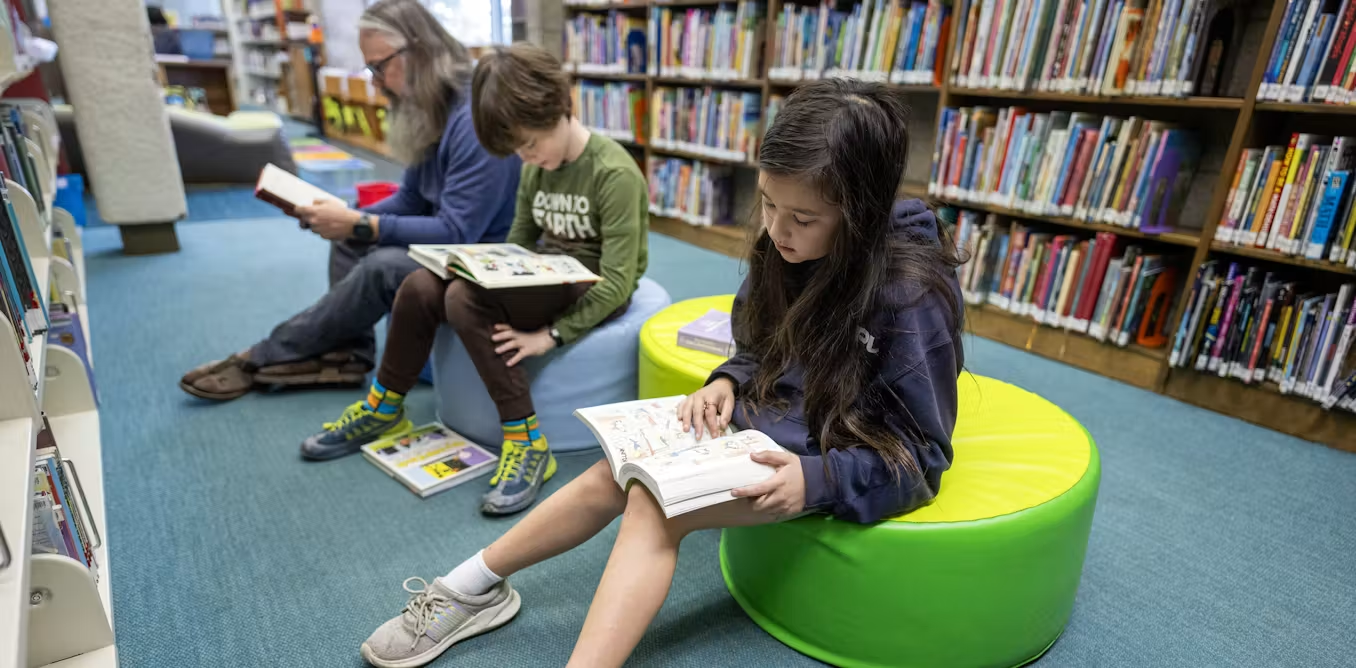
Children learn to read with books that are just right for them – but that might not be the best approach
Reading achievement has been stagnant in the US for decades, raising questions about what other methods might work to help kids learn to read.
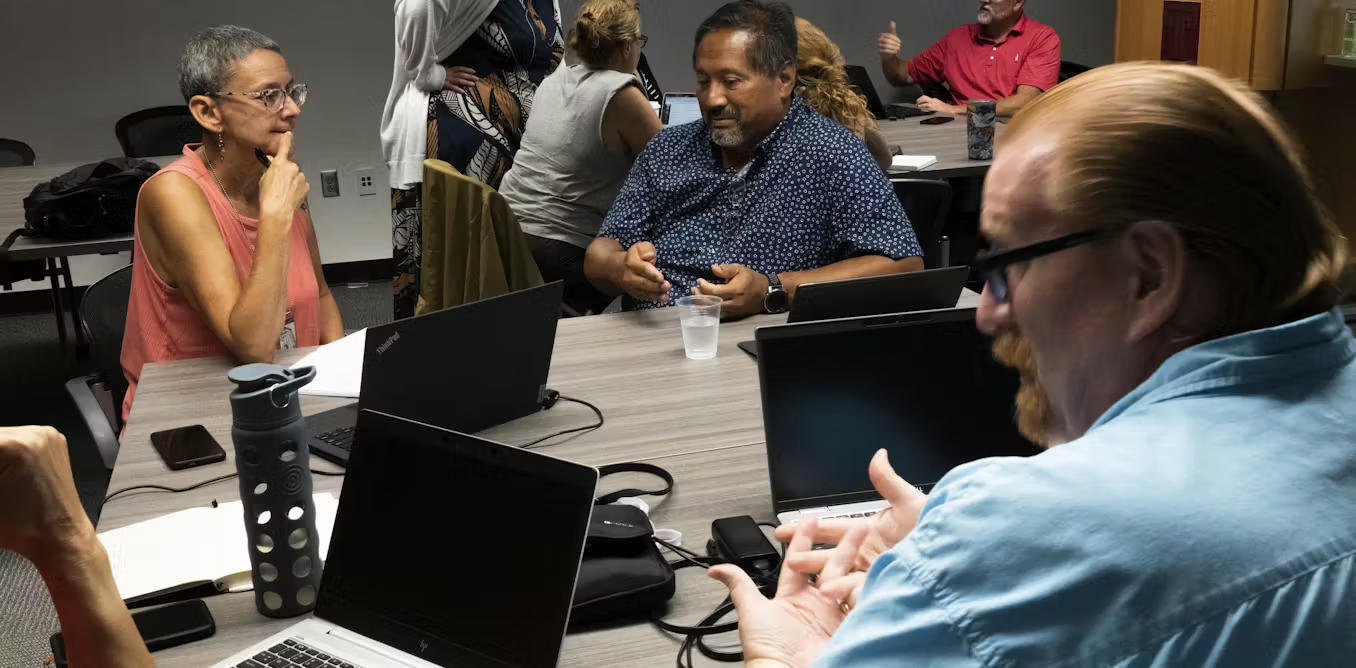
AI could worsen inequalities in schools – teachers are key to whether it will
Under-resourced schools are less likely to support teachers in implementing AI technology to best serve learning.