September 2026
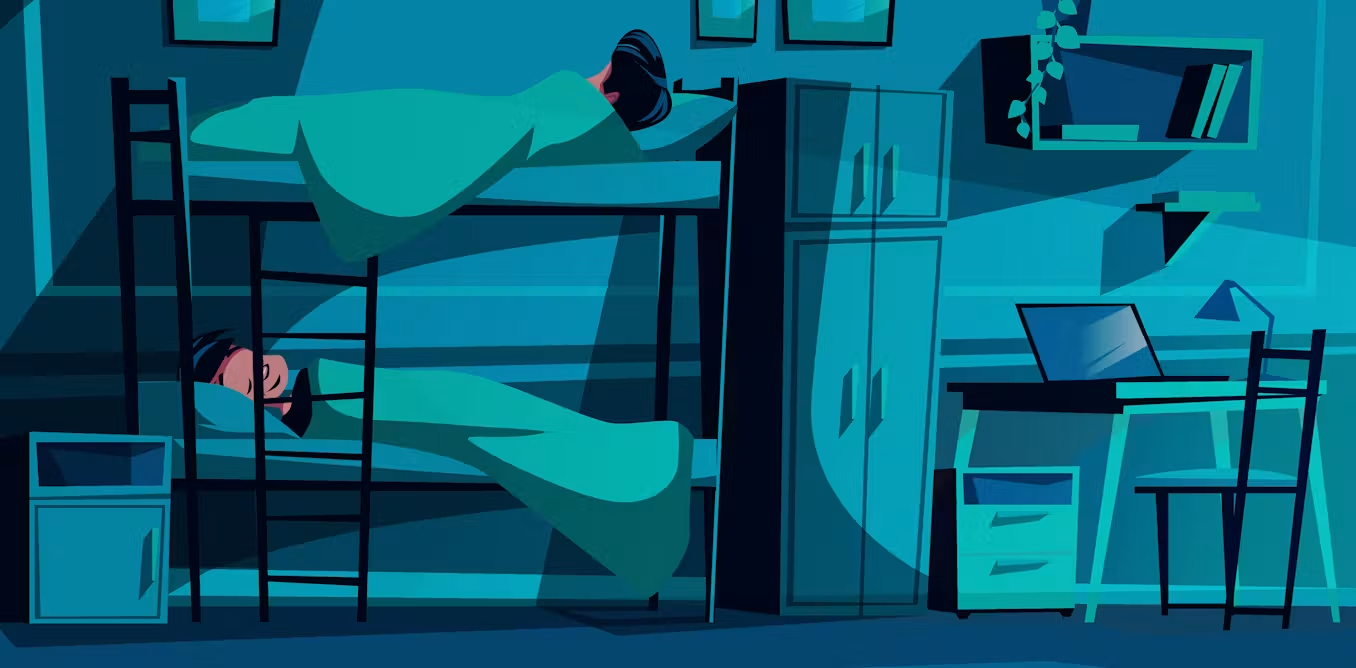
We paid college students about $5 a night to sleep at least 7 hours – and their grades quickly improved
Universities and colleges won’t necessarily pay students to sleep. But they can offer other incentives that encourage them to close their eyes earlier.
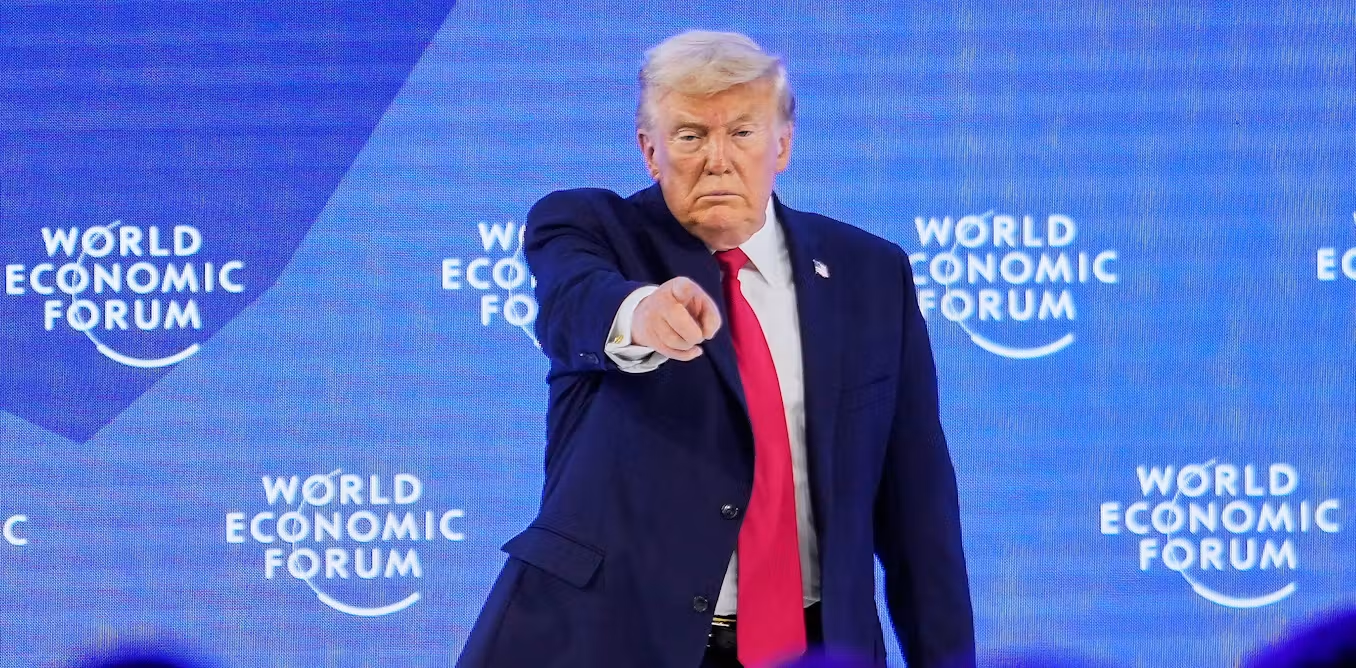
How ‘portfolio reasoning’ explains Trump’s constant reevaluation of America’s value
Trump has approached governing through the same framework as his former business portfolio, where he casts the US as a flagship holding whose value he was elected to increase.
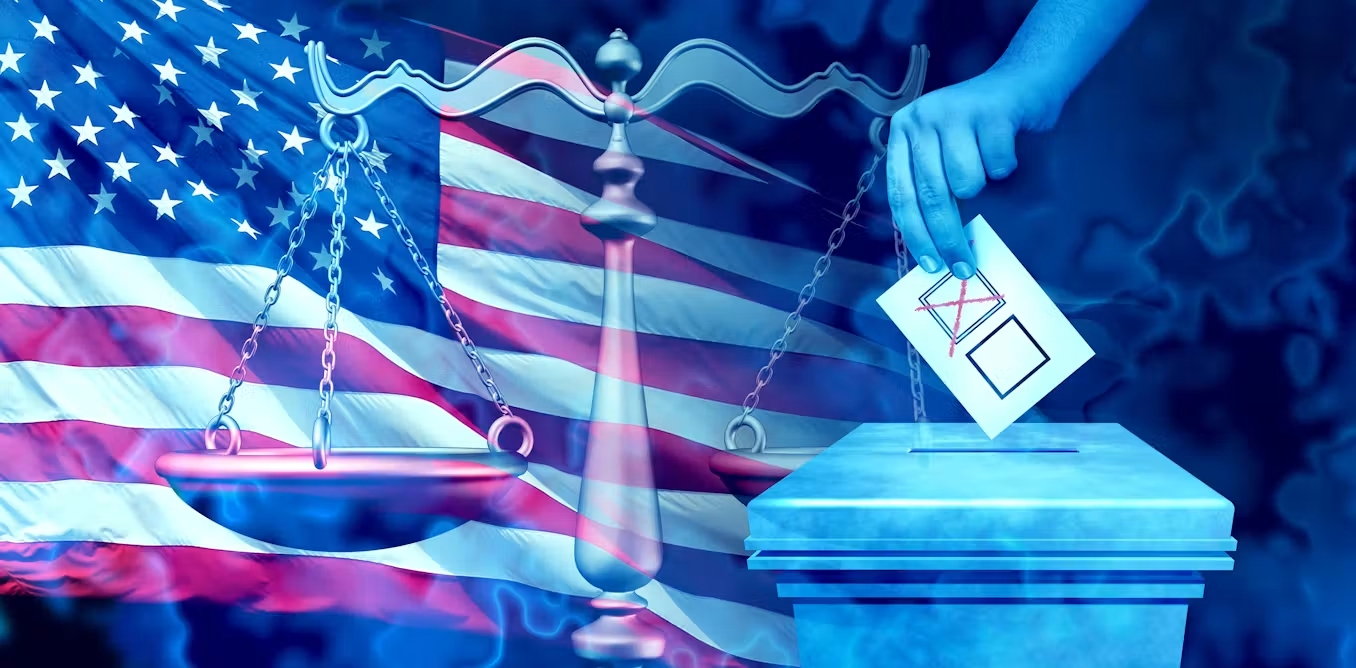
Why the Supreme Court blocked Trump and the Postal Service from restricting mail‑in voting for the midterms
An election law scholar explains the president’s effort to dramatically limit mail voting ahead of the midterm elections – and why the court decided to block it.

School choice proponents say it offers families more options – but those don’t always extend to immigrant students
School choice heavily influences immigrant students’ experiences in Charleston schools and can leave them in segregated academic environments, new findings show.
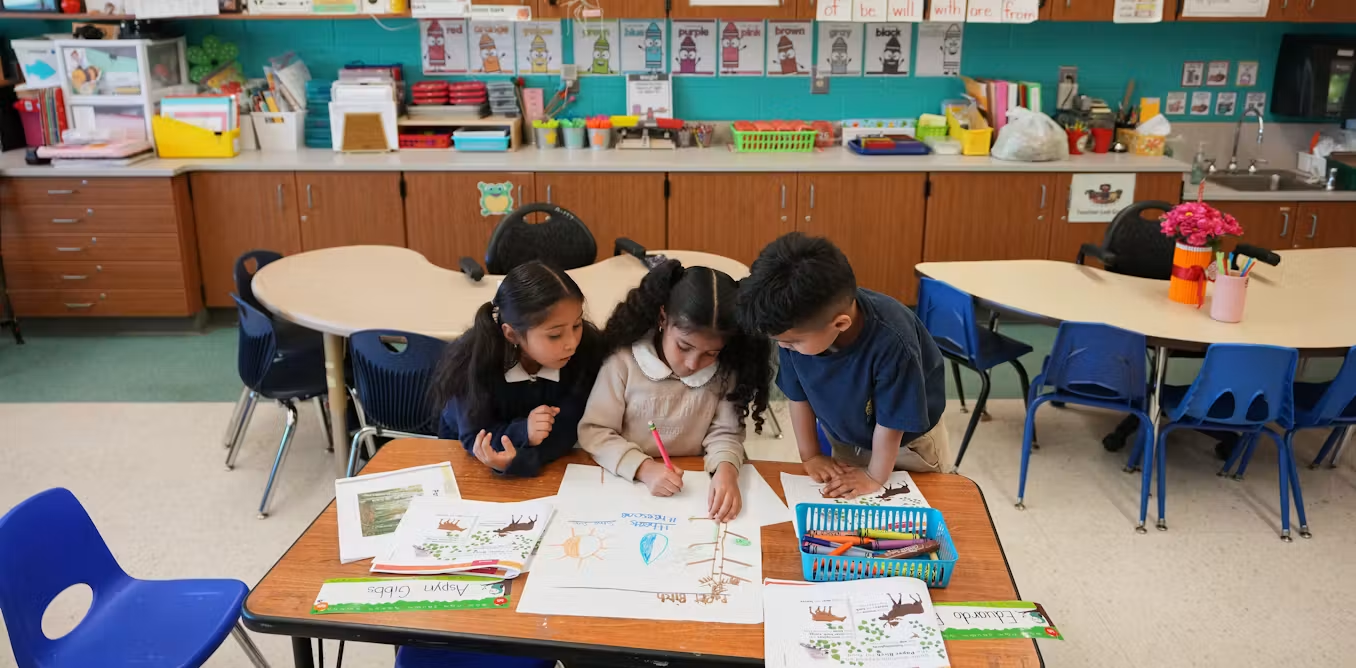
Here’s how teachers and parents can collaborate and help Michigan’s 1.4M students succeed
Inflexible meeting times, transportation and childcare challenges can limit parents or caregivers from getting involved in their children’s education.

Lessons about 9/11 often provoke harassment of Muslim students
Comments made during class discussions about 9/11 often put Muslim students on edge, according to a researcher who interviewed 55 Muslim students in and around the nation’s capital.
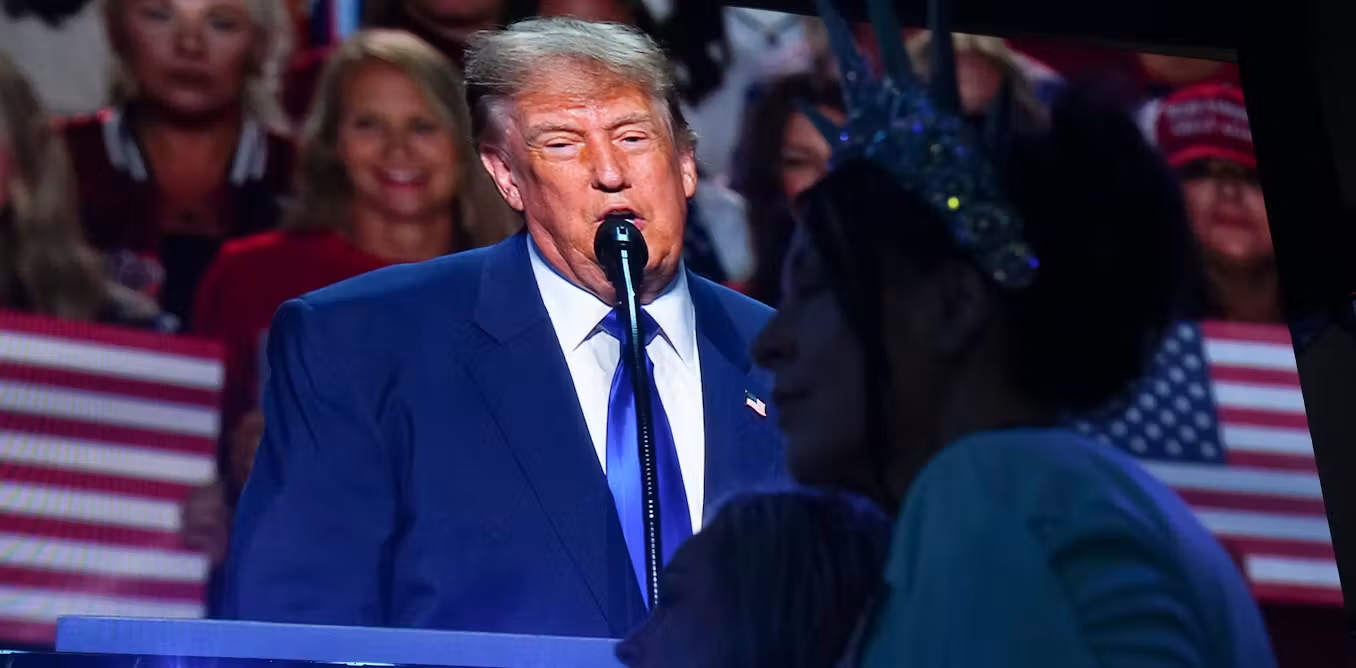
How anti‑bribery laws apply to Trump’s promise of $5,000 payments if Republicans keep control of Congress
Bribery involves offering money to a particular person, but Trump did not make his $5,000 offer to any single voter or set of voters.
Why the Trump administration’s bid to end diversity efforts at nonprofit schools is likely to get tied up in court
A proposed Trump administration rule aimed at quashing diversity efforts could jeopardize the nonprofit status of private schools. It could take effect in mid-2027.
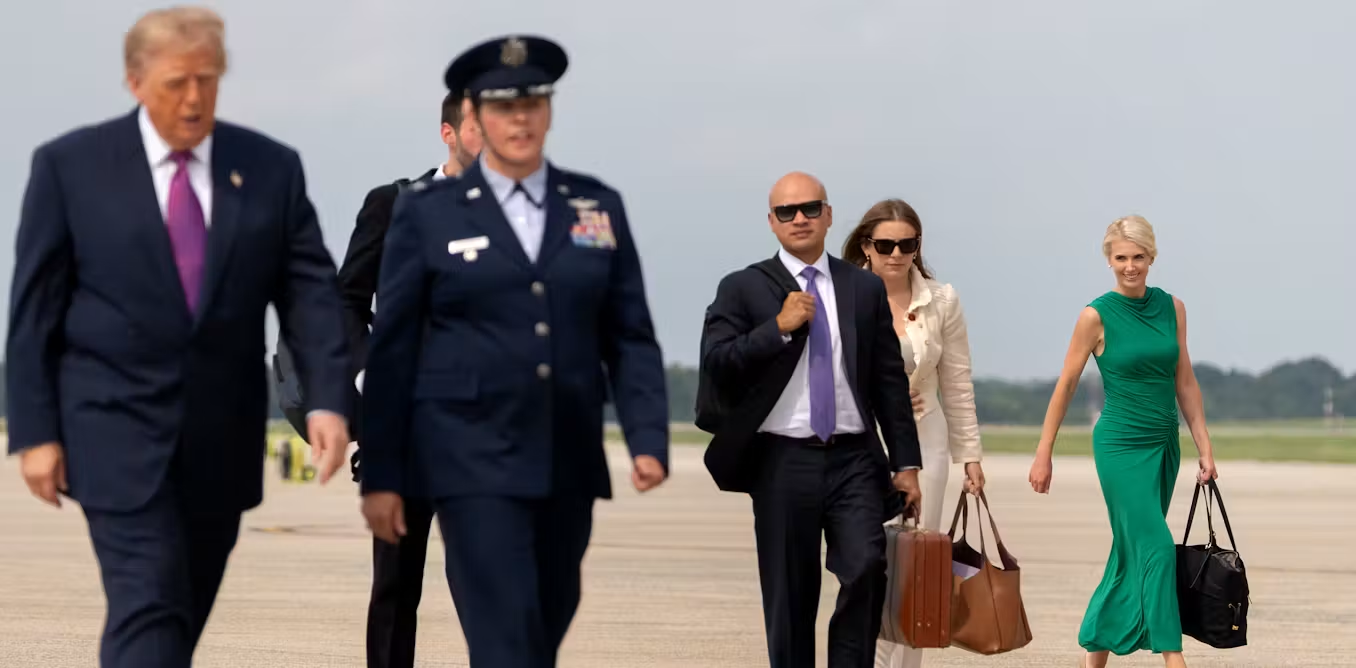
Security clearances don’t determine whom a president can trust – they reveal risks the president may not know
A report that one of Trump’s aides went a year without routine vetting raises a question a former CIA executive knows well: What is that process for?
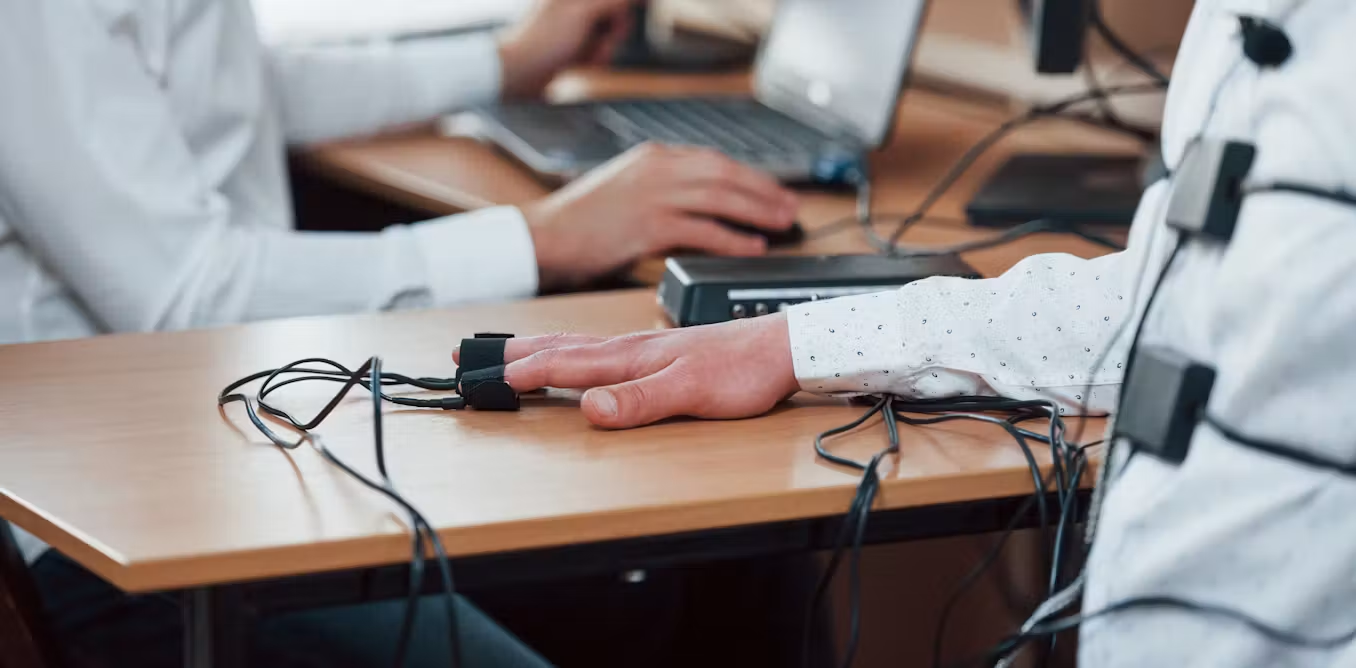
The Pentagon is using polygraphs to hunt leakers, but the tests are more theater than fact
A CIA veteran explains that a polygraph campaign is not likely to eliminate leaks, but it may divert investigative energy from essential security priorities.