US Constitution
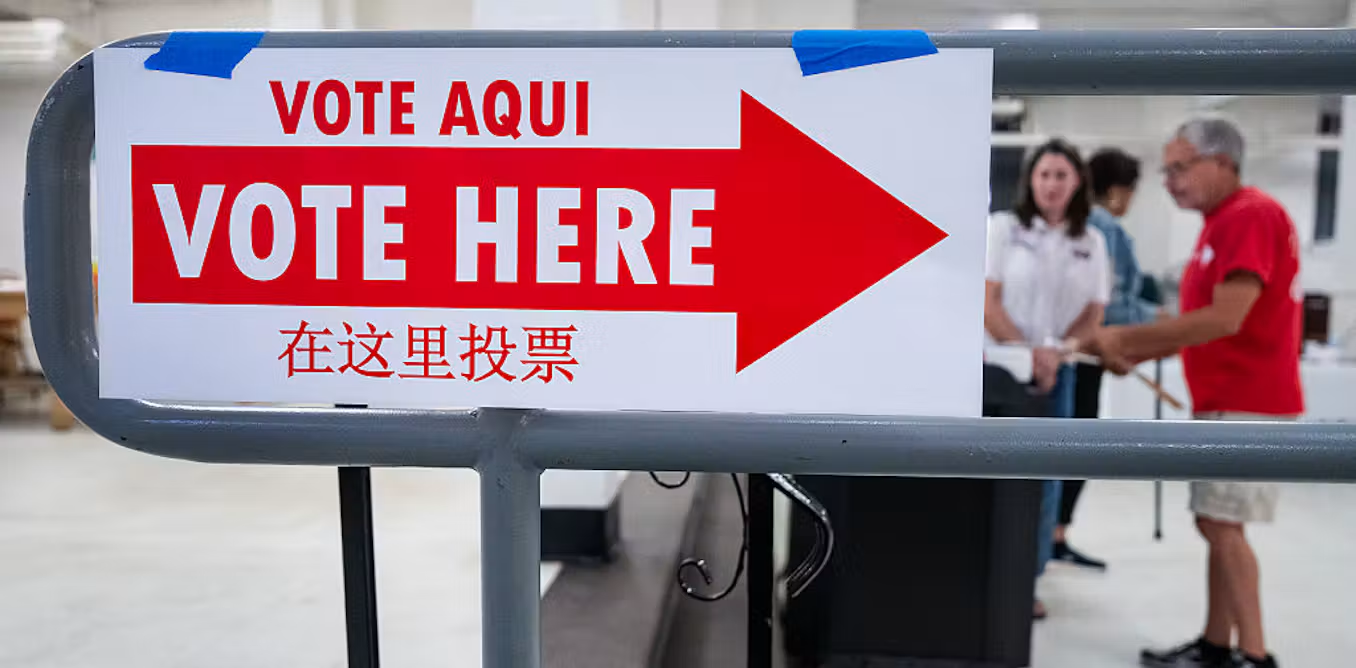
What the law says about armed officers at polling places
What does the law say about armed officials at the polls? That’s one of four questions that a legal scholar answers as Trump administration threats have piled up about voting in the midterms.
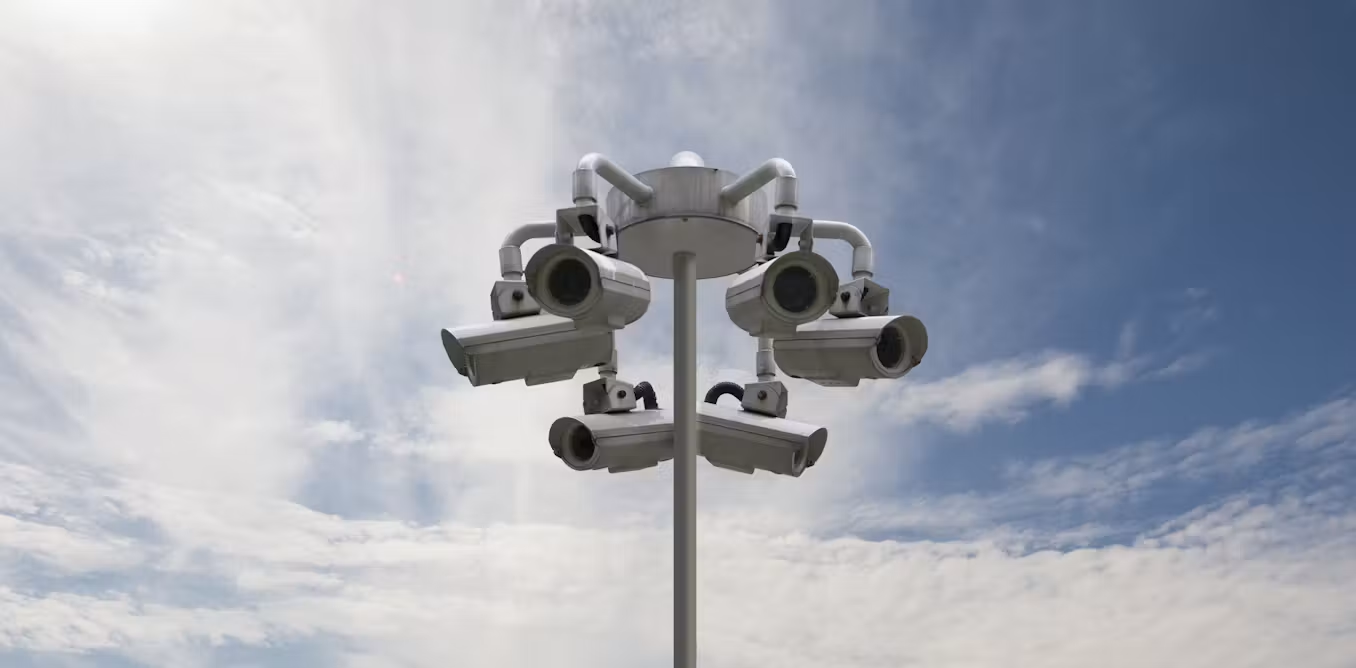
The trouble with Flock cameras is the surveillance system’s architecture, not just some of its users
The architecture of automated license plate readers turns local cameras into a far-reaching surveillance network that can be accessed by agencies that never purchased the devices.
Are religious charter schools constitutional? After deadlocked SCOTUS decision, another Oklahoma case is trying to find out
A new application for a religious charter school is stirring up far-reaching questions about the constitutionality of public aid to faith-based institutions.
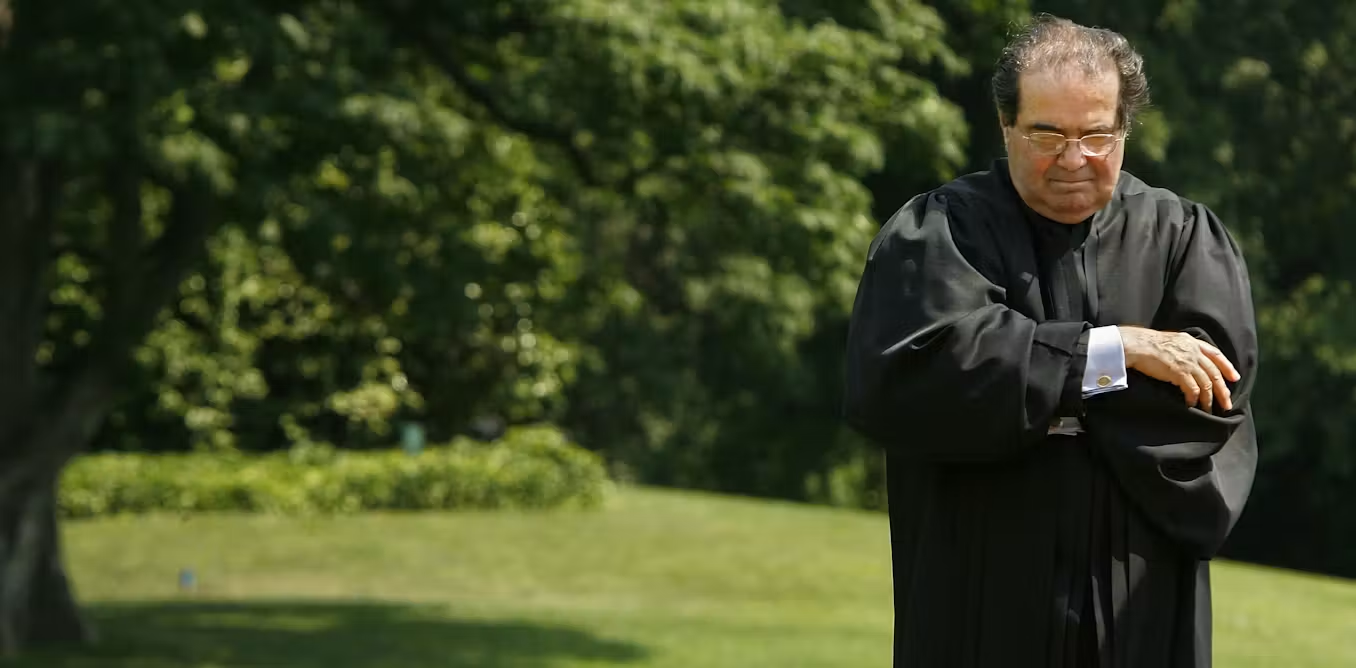
Originalism: What it is, what it isn’t and why it’s the most democratic option for the Supreme Court
A majority of Supreme Court justices follow originalism, the mode of constitutional interpretation championed by late Justice Antonin Scalia. A former Scalia law clerk explains what originalism means.
AI tools can help Americans meet their civil legal needs
The US legal system often fails to provide counsel for millions of Americans in civil cases. Generic and law-specific AI models can help address this justice gap of unmet legal needs.
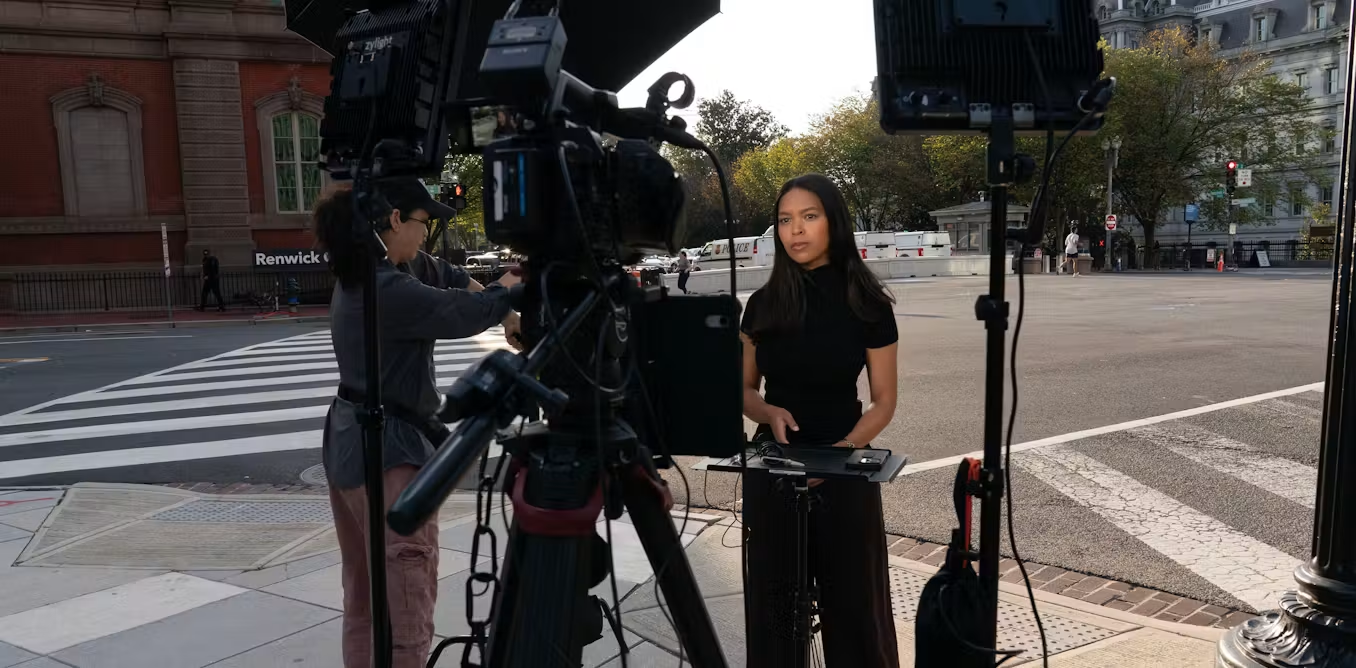
How due process, not the First Amendment, got the White House ban on reporters blocked in court
A judge has sided with the three news organizations President Donald Trump barred from the White House – for now.
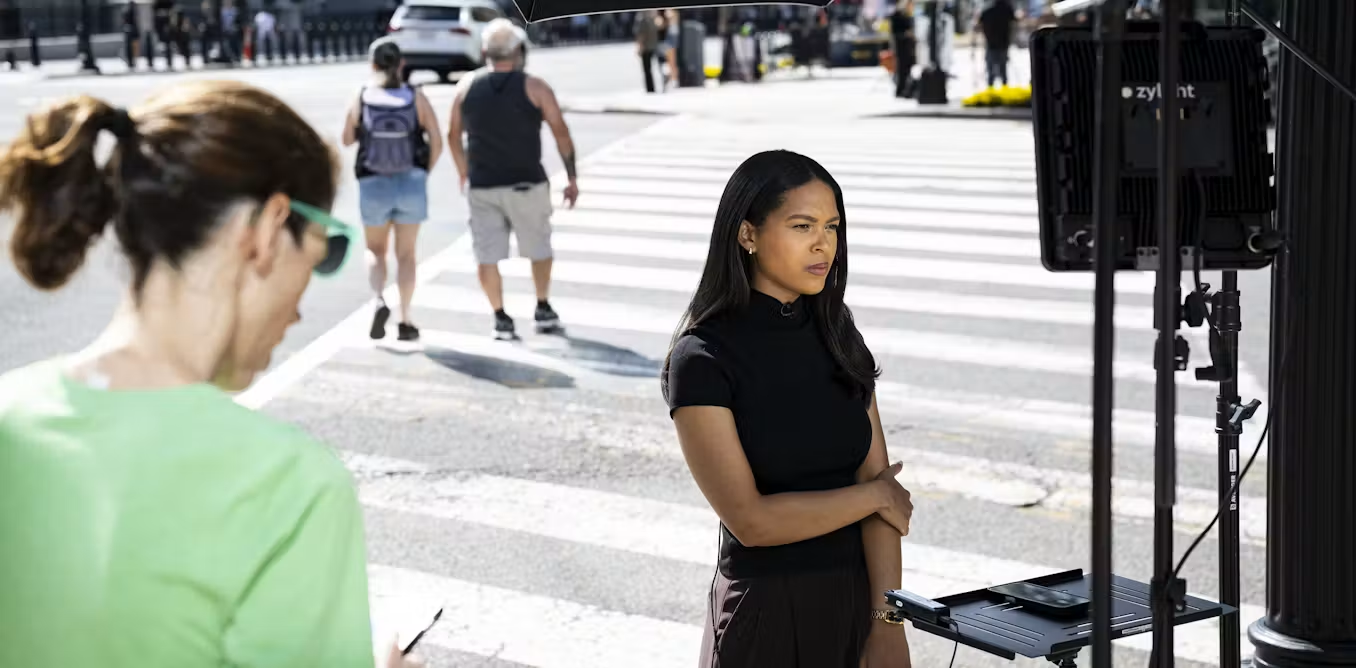
When presidents ban journalists from the White House, the First Amendment is not the only constitutional right at stake
When President Trump barred three news organizations from the White House, a lawsuit followed. In it, the news outlets invoked their Fifth and First amendments rights.
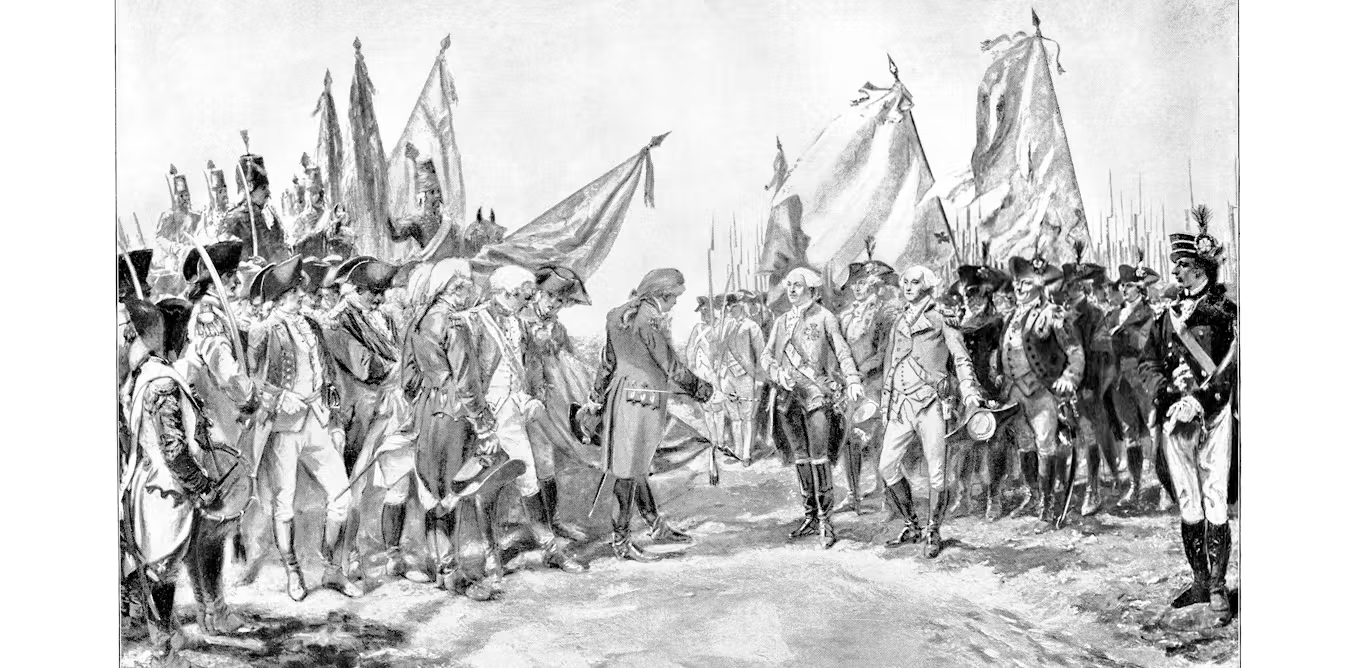
What happened at the end of the Revolutionary War? Here’s how Americans set up a brand‑new country once the fighting ended
The United States came out of the Revolutionary War victorious. But building a new nation was very different from fighting a war.
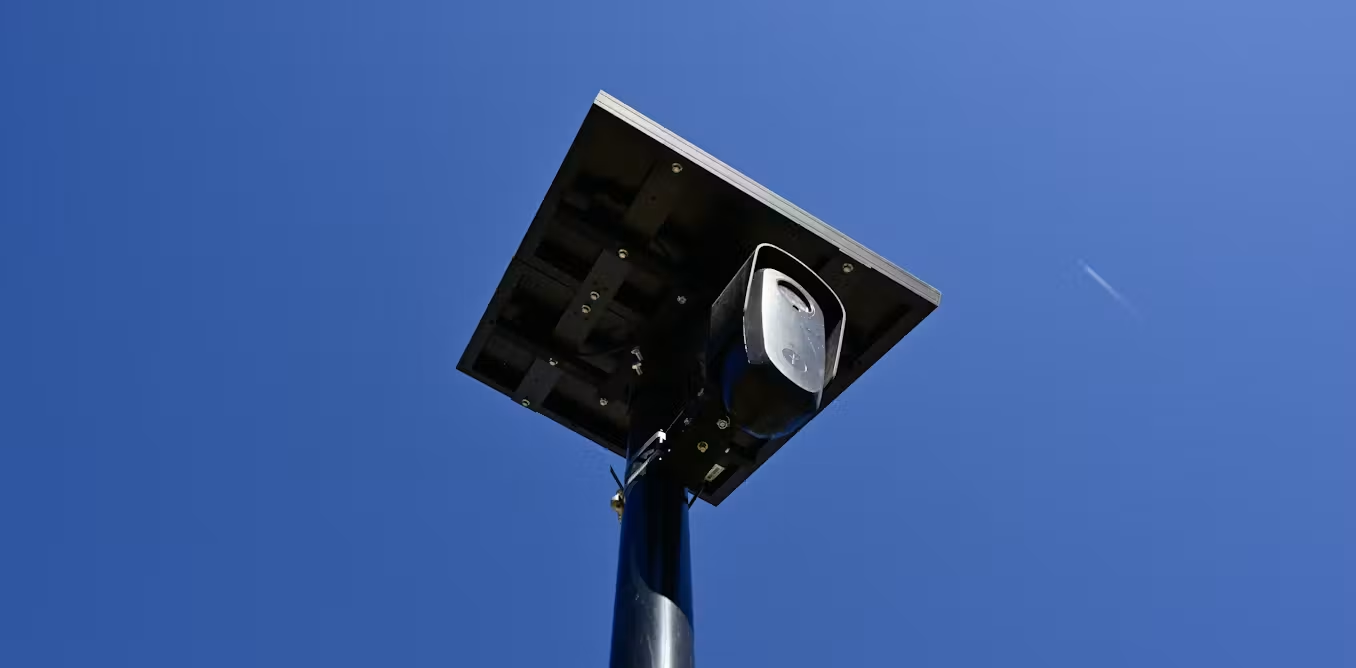
How the American revolt against Flock cameras mirrors the Boston Tea Party of 1773
The bipartisan revolution against automated license plate readers suggests Americans have not entirely lost their rebellious spirit.
Why the Supreme Court blocked Trump and the Postal Service from restricting mail‑in voting for the midterms
An election law scholar explains the president’s effort to dramatically limit mail voting ahead of the midterm elections – and why the court decided to block it.