Civil rights
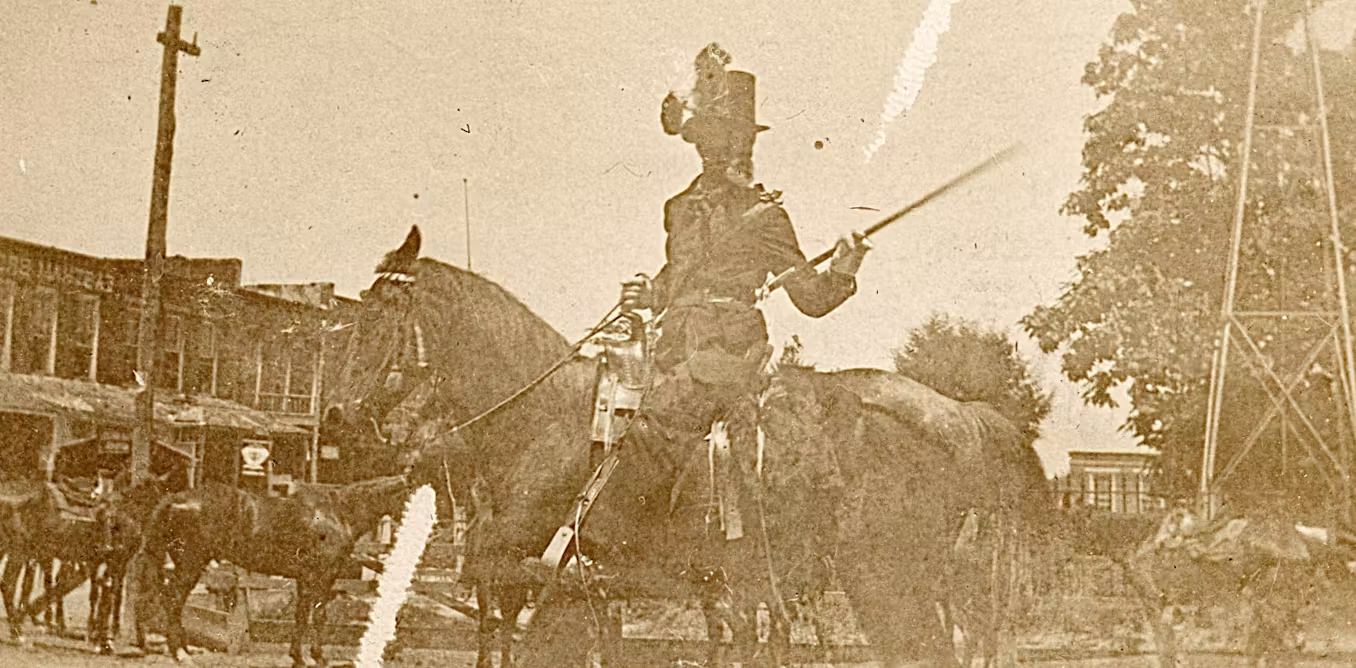
Juneteenth, Jim Crow and how the fight of one Black Texas family to make freedom real offers lessons for Texas lawmakers trying to erase history from the classroom
For the formerly enslaved Black people in Texas, Juneteenth meant more than freedom. It meant reuniting families and building schools and developing political power.
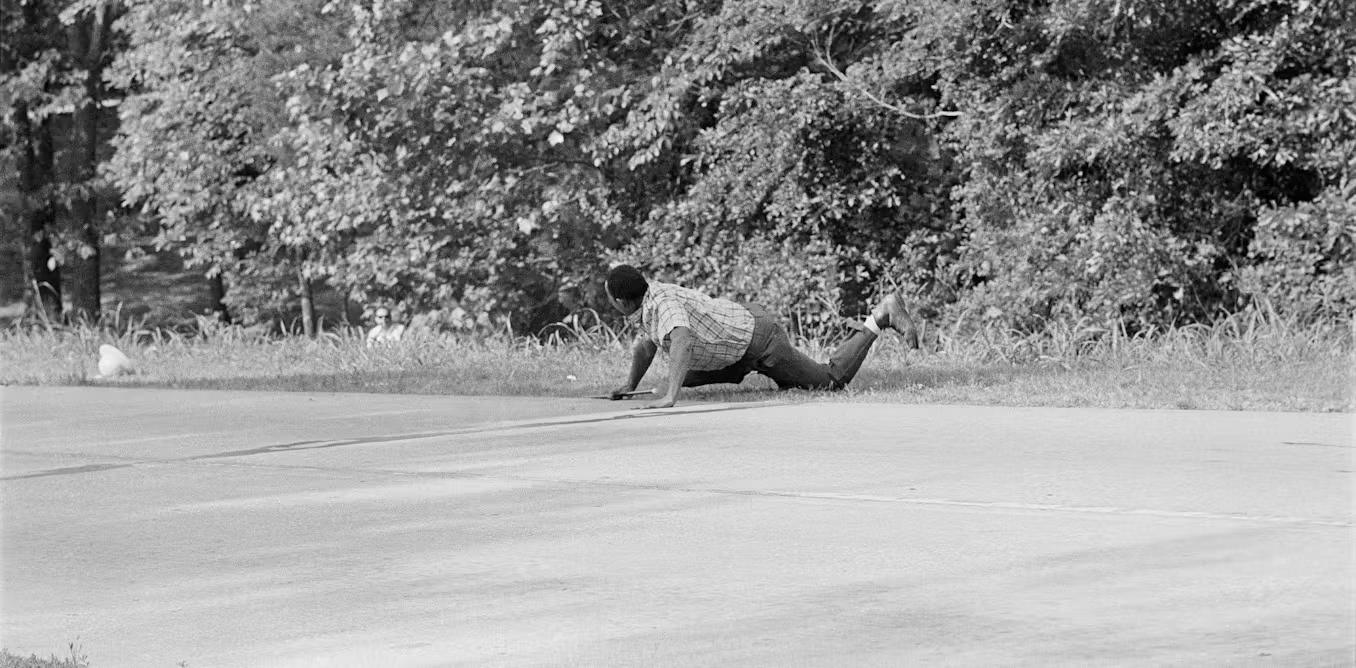
Conspiracy theories that emerged from a civil rights shooting 60 years ago resonate today
The modern rhetorical and political resistance to racial equality finds its roots in the conspiratorial segregationists of the civil rights era.
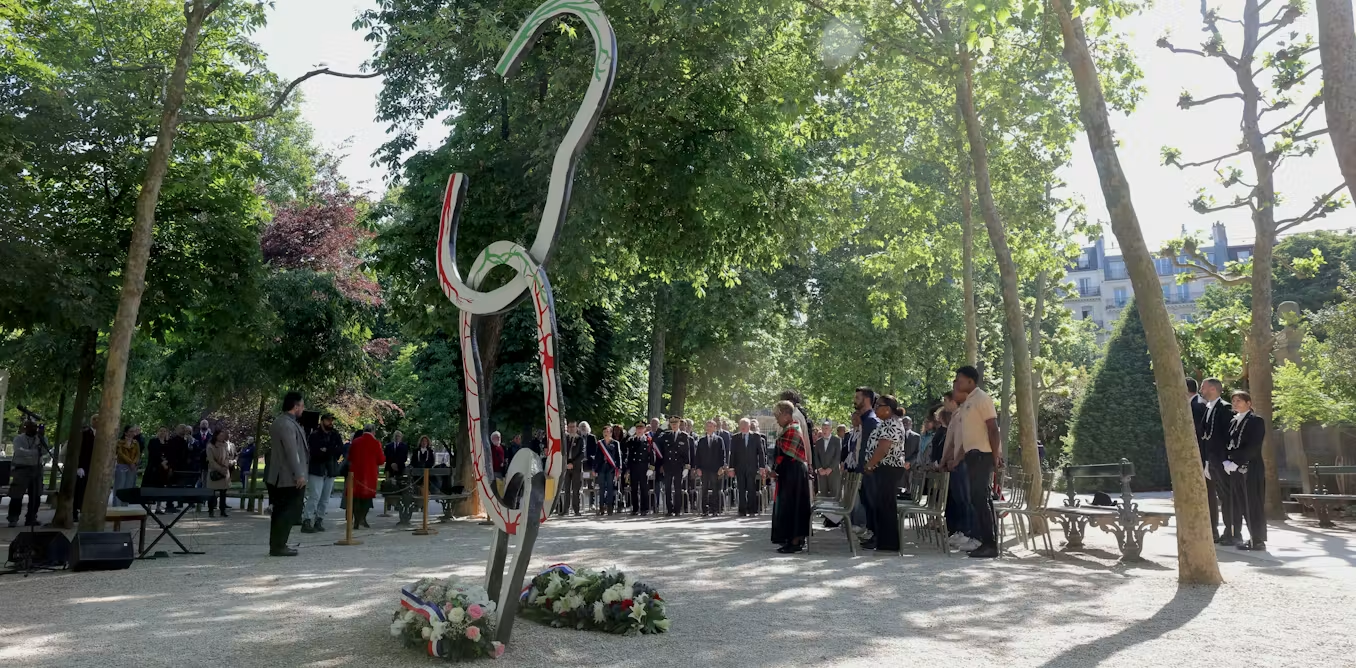
The forgotten story of abolition in revolutionary France – the first emancipation
Decades before the United States, France outlawed slavery during the French Revolution – only to see it reimposed by Napoleon within a decade.
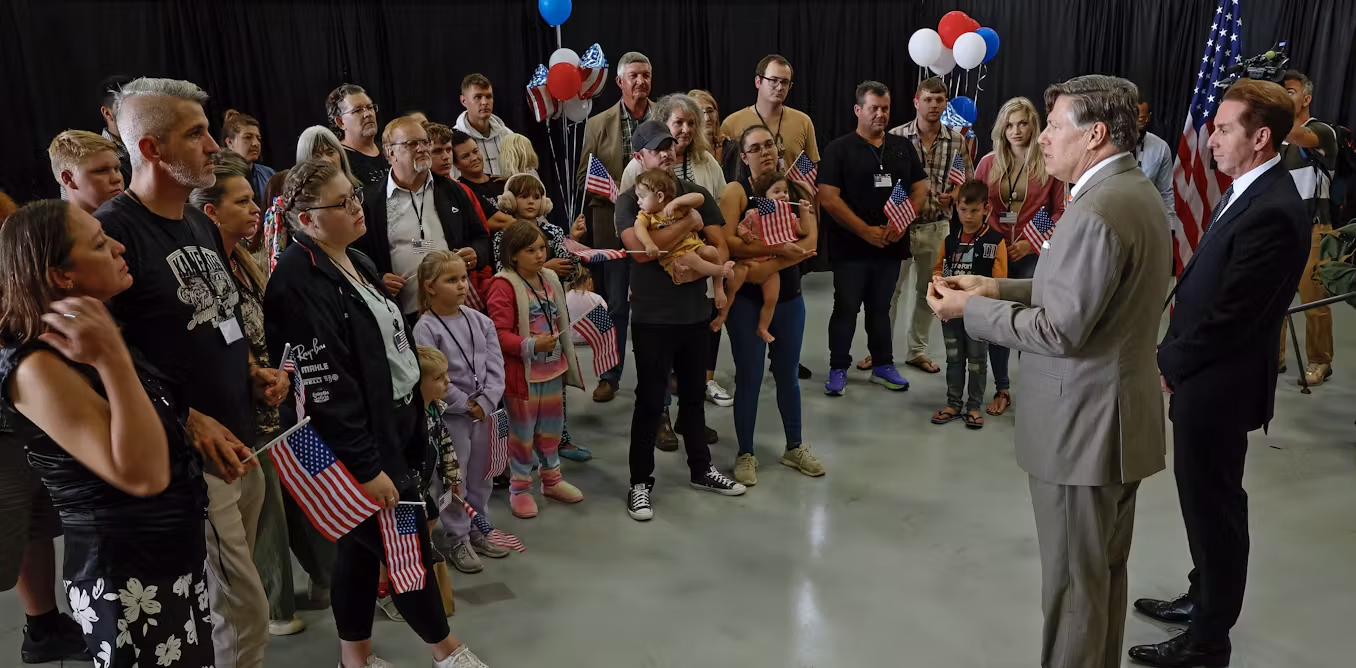
US refugee policy for white South Africans is part of a century‑long effort to keep some English‑speaking nations white
Australia, Canada and the US identified themselves as ‘white men’s countries’ in the early 20th century and coordinated immigration restrictions to keep them that way.
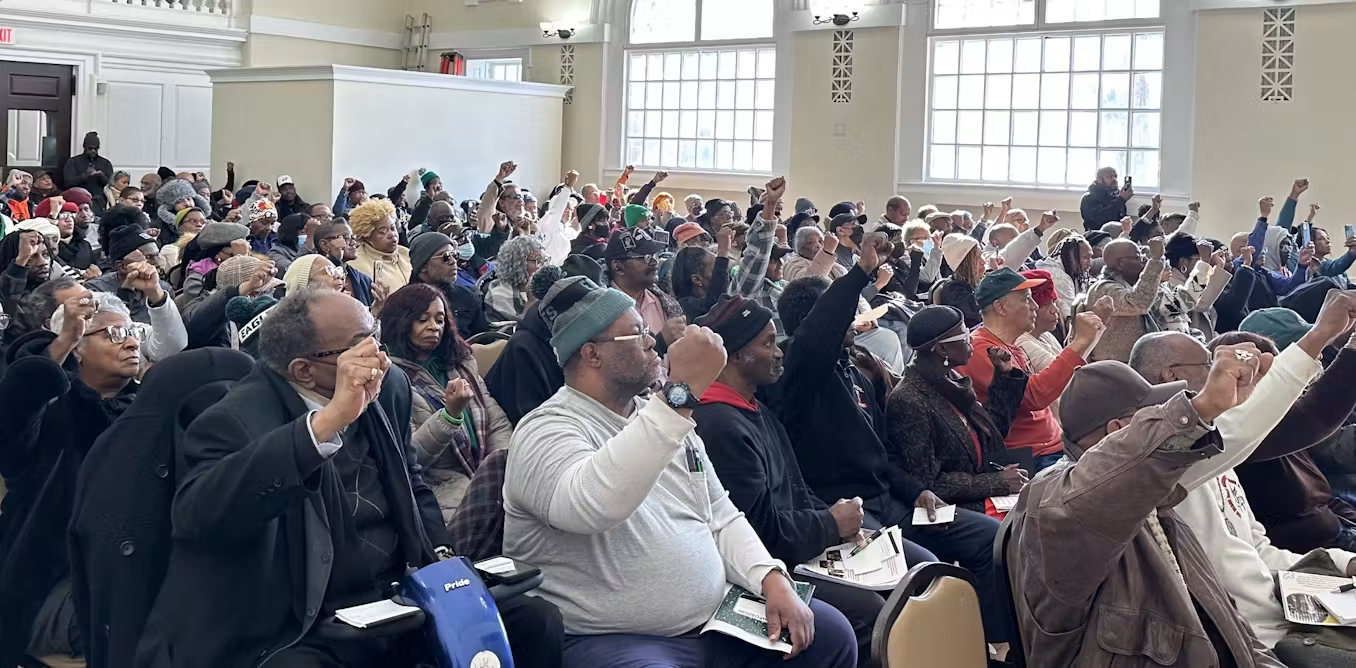
Philadelphia continues long history of Black‑led protest meetings aimed at fighting racial inequity and prejudice
A packed public meeting at a senior center in January 2025 continues a Philly tradition that dates back to a meeting at Mother Bethel AME Church in January 1817.
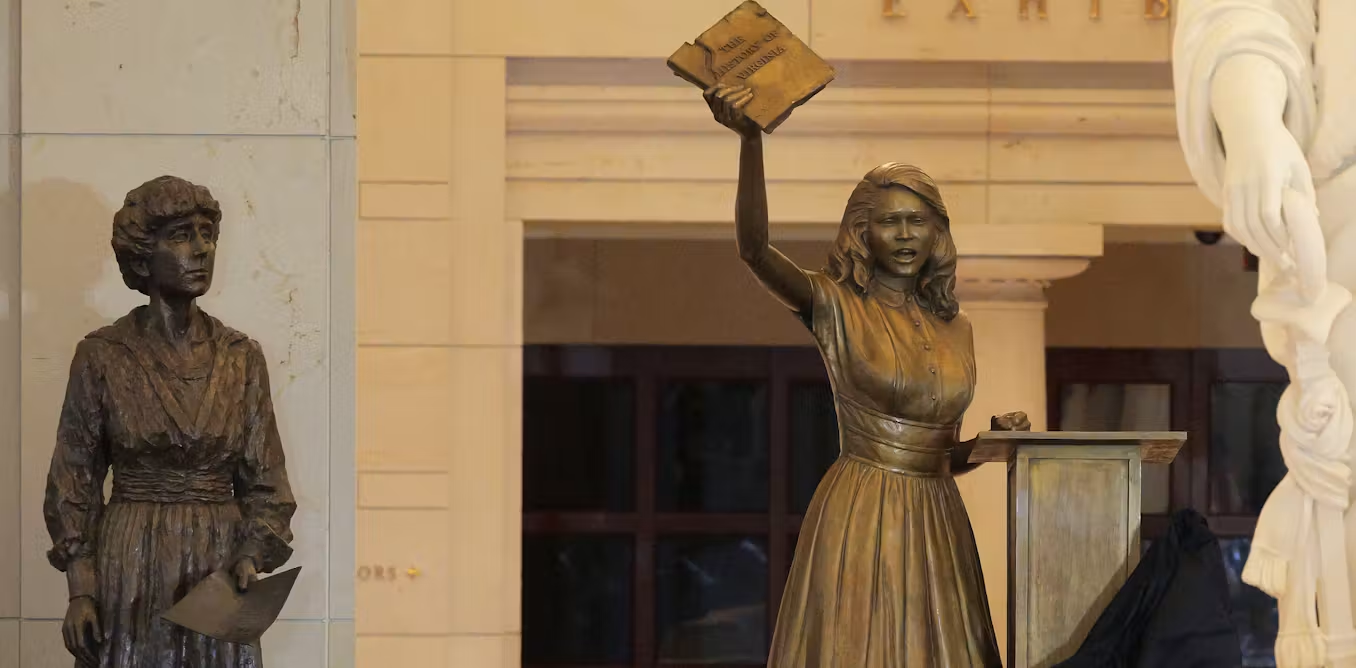
75 years after she led a student strike that helped end school segregation, Barbara Rose Johns now stands in the US Capitol where Robert E. Lee once did
In December 2025, the statue of Barbara Rose Johns replaced that of Robert E. Lee as one of the two Virginians displayed in the U.S. Capitol. Here’s why.
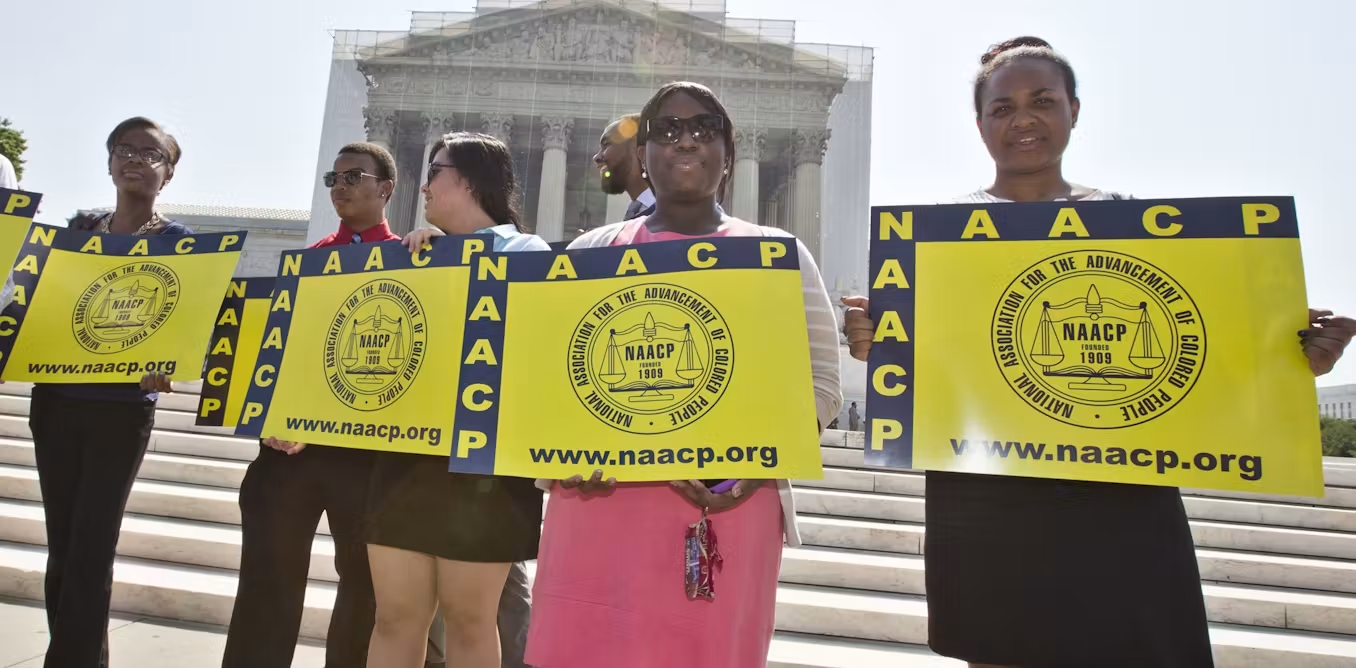
Federal election observers once played a key role in securing voting rights for all − but times have changed
After the Voting Rights Act, federal election observers helped ensure fair voting, but that oversight has increasingly shifted focus − to monitor what Washington says is voter fraud and accusations of cheating.