








Fullwidth Featured
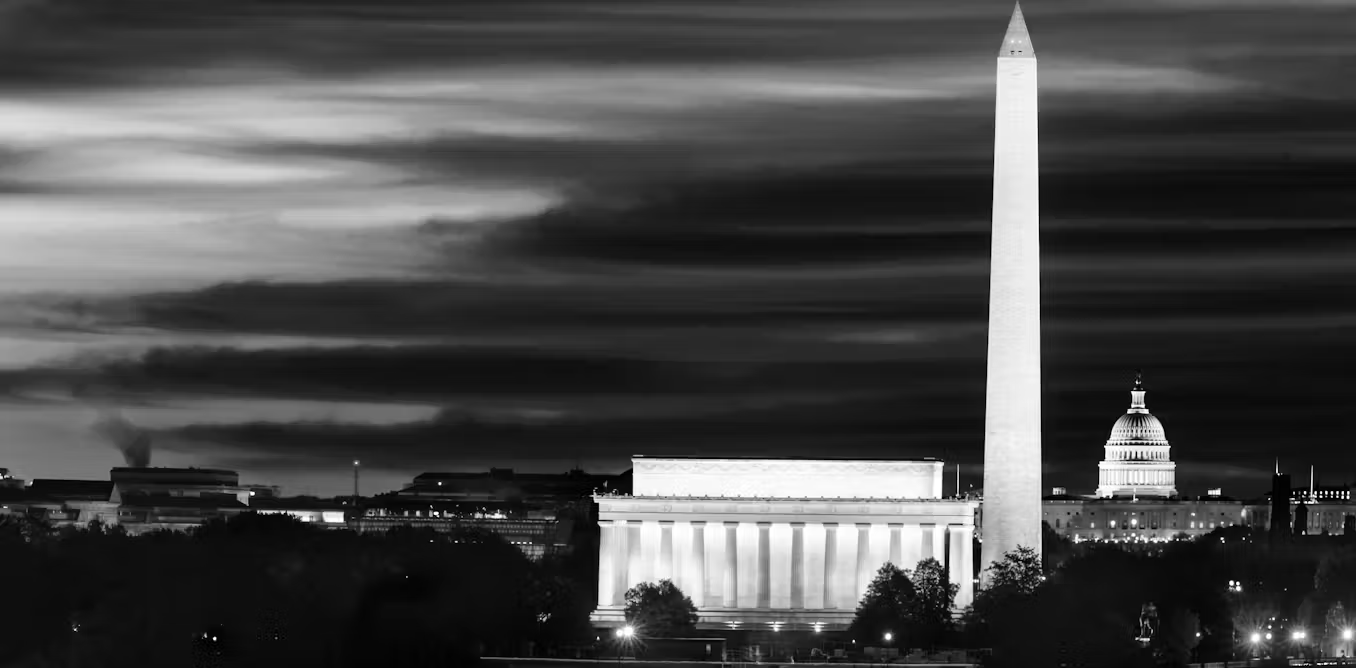
Washington DC’s physical appearance has long been a battleground for competing national ideals and presidential visions
President Donald Trump’s capital redesign follows centuries of debate and discussion about how Washington should look to the world.
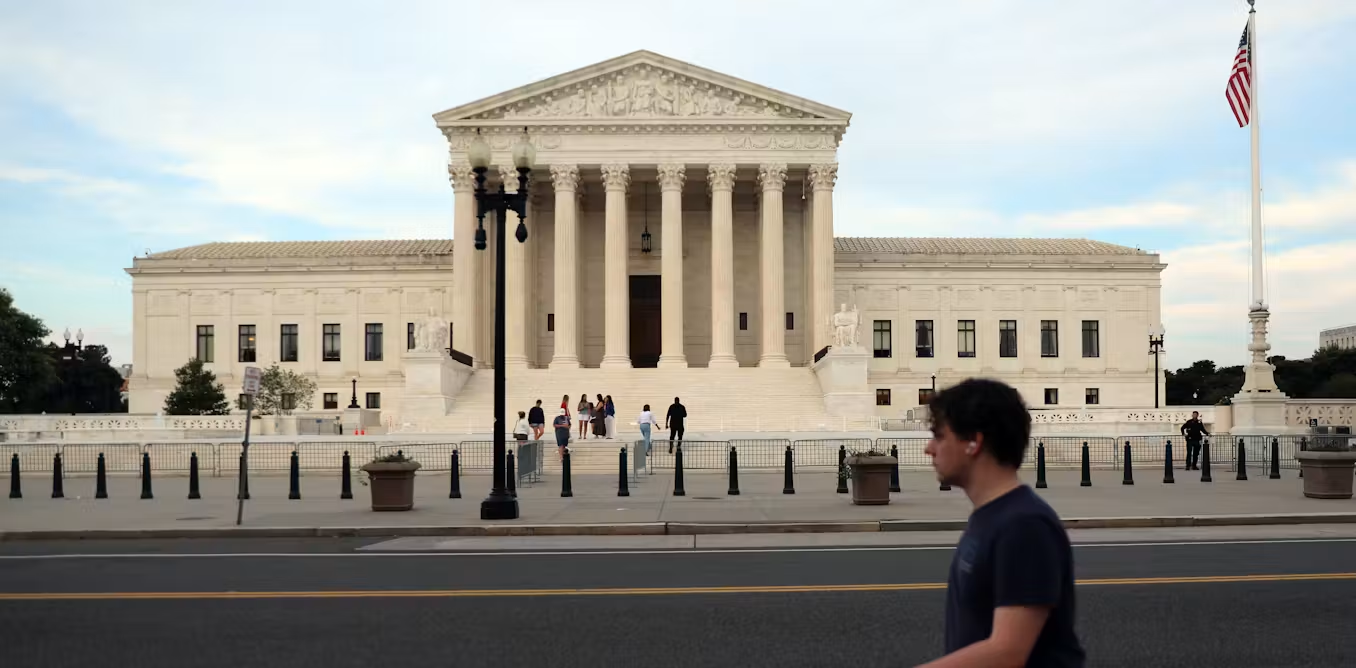
In 2 landmark decisions, the Supreme Court expands gun rights for concealed carry holders and casual drug users
Two recent Supreme Court rulings suggest the high court is so pro-gun it has decided it must also be pro-drugs.

College is unaffordable for many Americans – but don’t just blame rising tuition
College tuition has not significantly risen since 1990, at least compared to tuition changes over the previous decades.

Why thousands of federal lawyers leaving government service matters for everyone in the justice system
More than 10,000 attorneys who worked for the US government have left their jobs during the second Trump administration; a former federal judge analyzes the impact of that exodus.
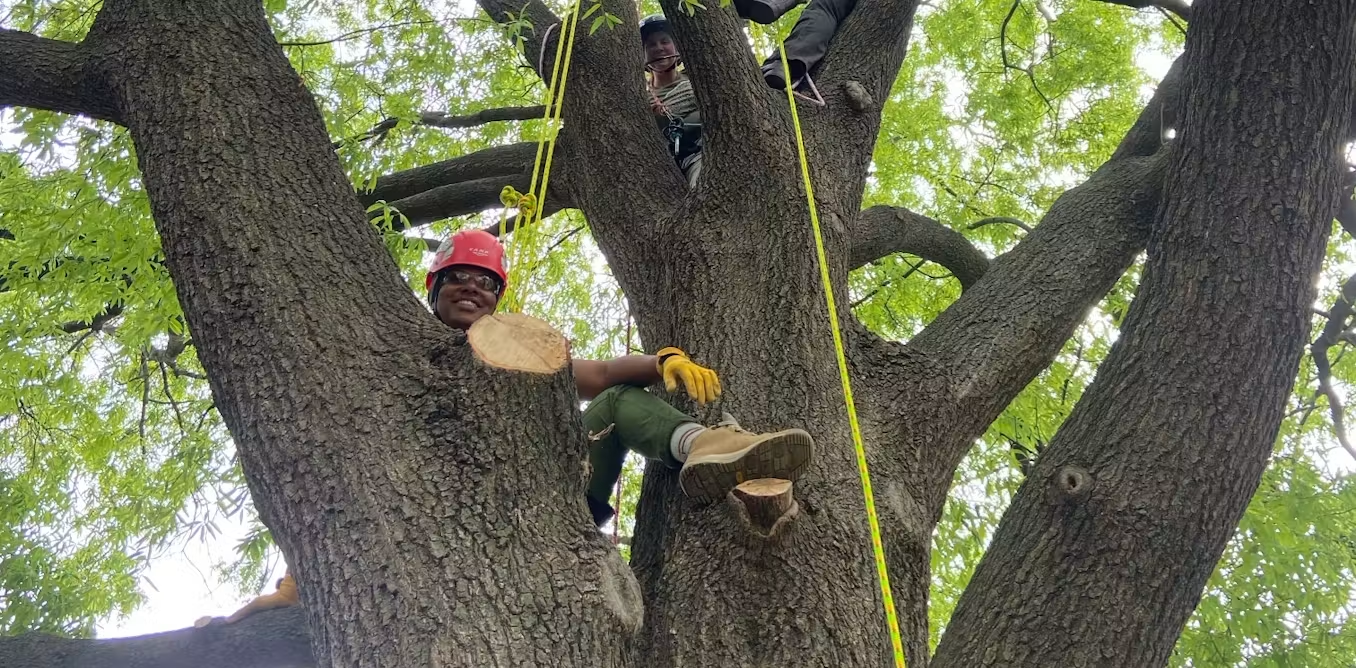
Students branch out and climb trees to learn up close how to care for them and why they help cities flourish
Cities benefit from trees, which can cool concrete sprawls and improve air quality.
I have spent the past 6 months reading hundreds of poems by young people – I was surprised to find hope, not despair
Young poets wrestled with loneliness, fractured families, violence and other challenges – but also showed an unwillingness to surrender to despair.

The danger of US‑Iran ceasefire agreement is what it leaves out
A strong deal would build in real penalties for going back to war: automatic, reversible costs that fall on anyone who restarts the fighting.

Pennsylvania coroners refuse to release autopsy reports – and that hinders research on deaths in custody
When coroners shield their records from public view, they’re not just violating the public trust. Often, they’re also breaking the law.
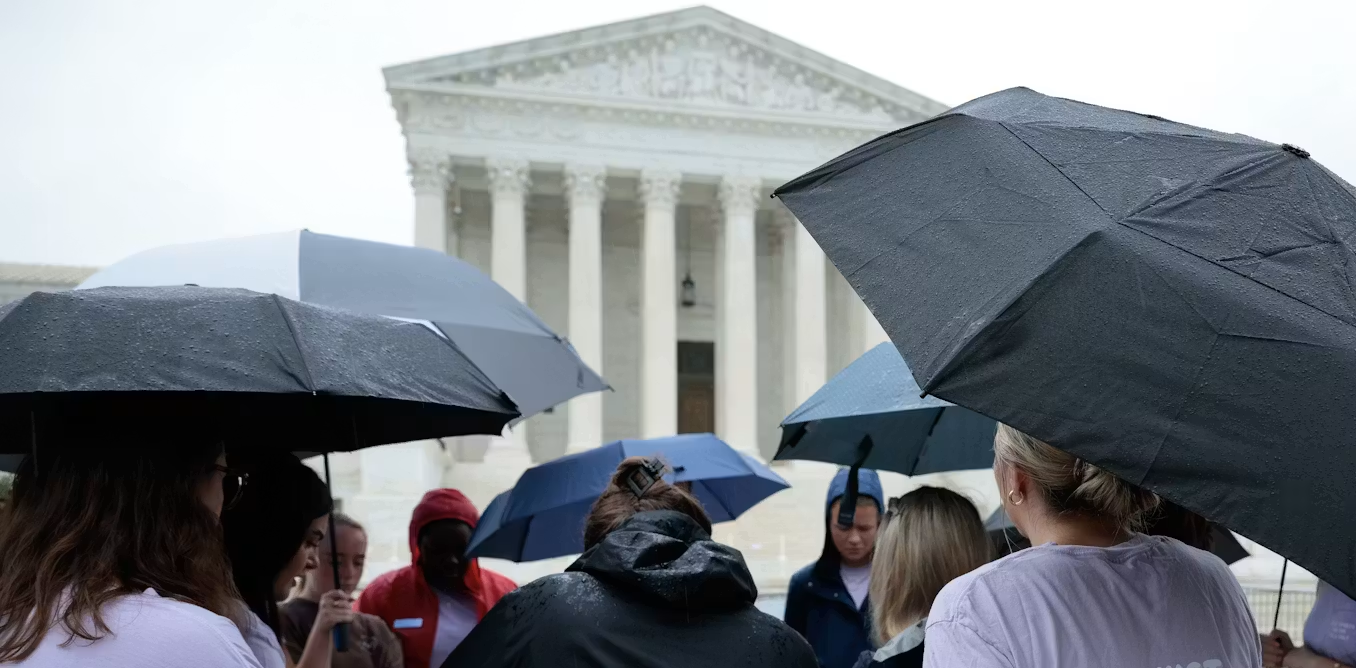
How the US Supreme Court decides its cases – a step‑by‑step guide
Grasping how the nation’s highest court makes policy requires stepping into an exceptionally regulated and sometimes hidden routine.
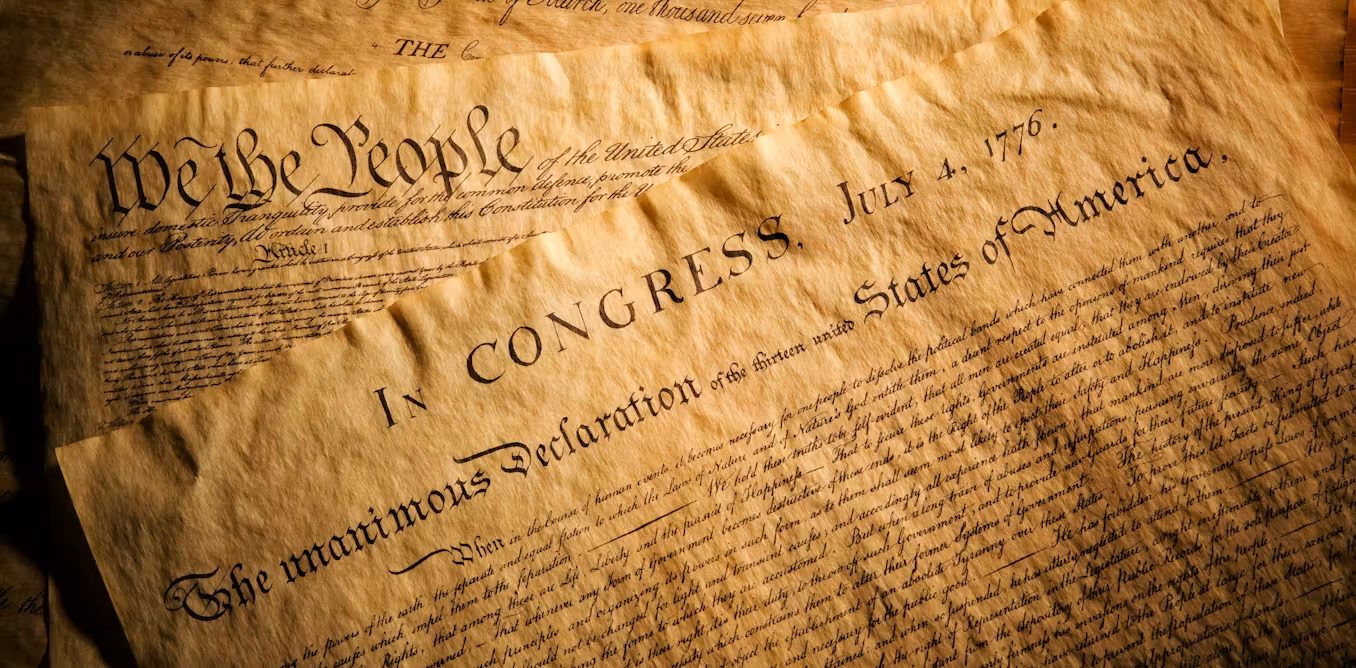
I study the Declaration of Independence, and here’s why the colonists’ grievances are surprisingly relevant, 250 years later
A partisan judiciary, arbitrary power, officials beyond the reach of the people – these are the grievances that drove a revolution.