American Revolution
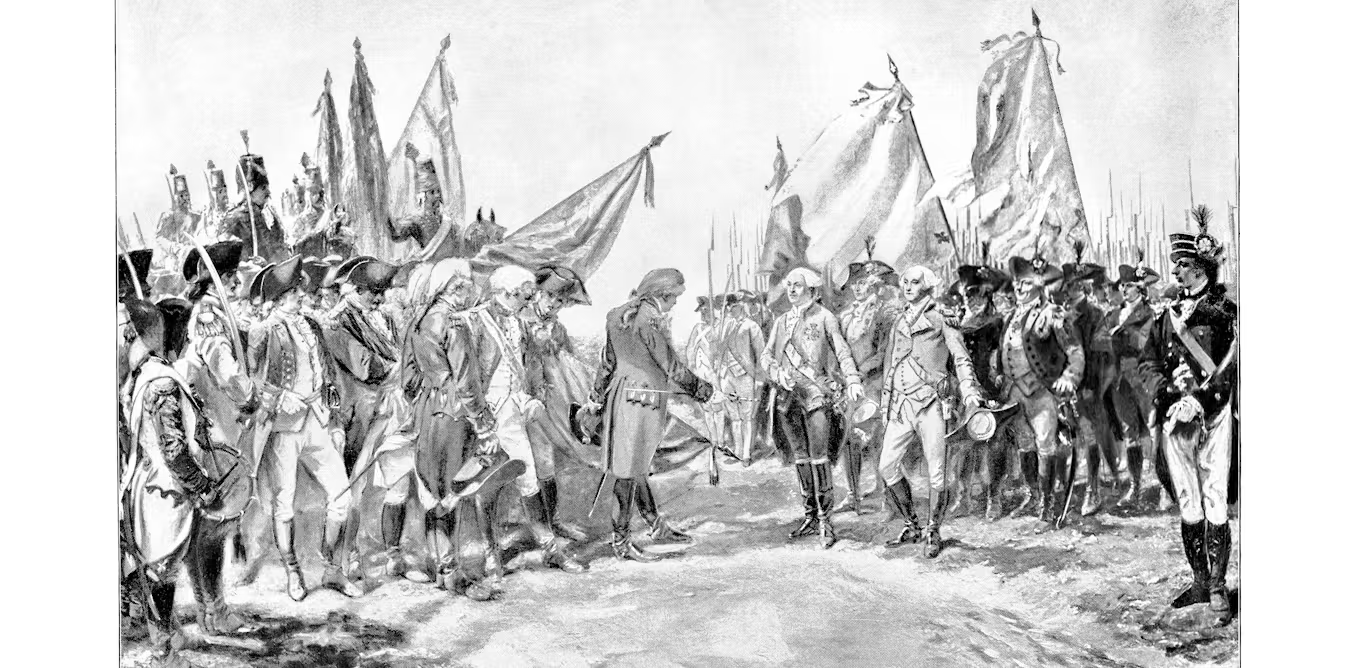
What happened at the end of the Revolutionary War? Here’s how Americans set up a brand‑new country once the fighting ended
The United States came out of the Revolutionary War victorious. But building a new nation was very different from fighting a war.

How the American revolt against Flock cameras mirrors the Boston Tea Party of 1773
The bipartisan revolution against automated license plate readers suggests Americans have not entirely lost their rebellious spirit.
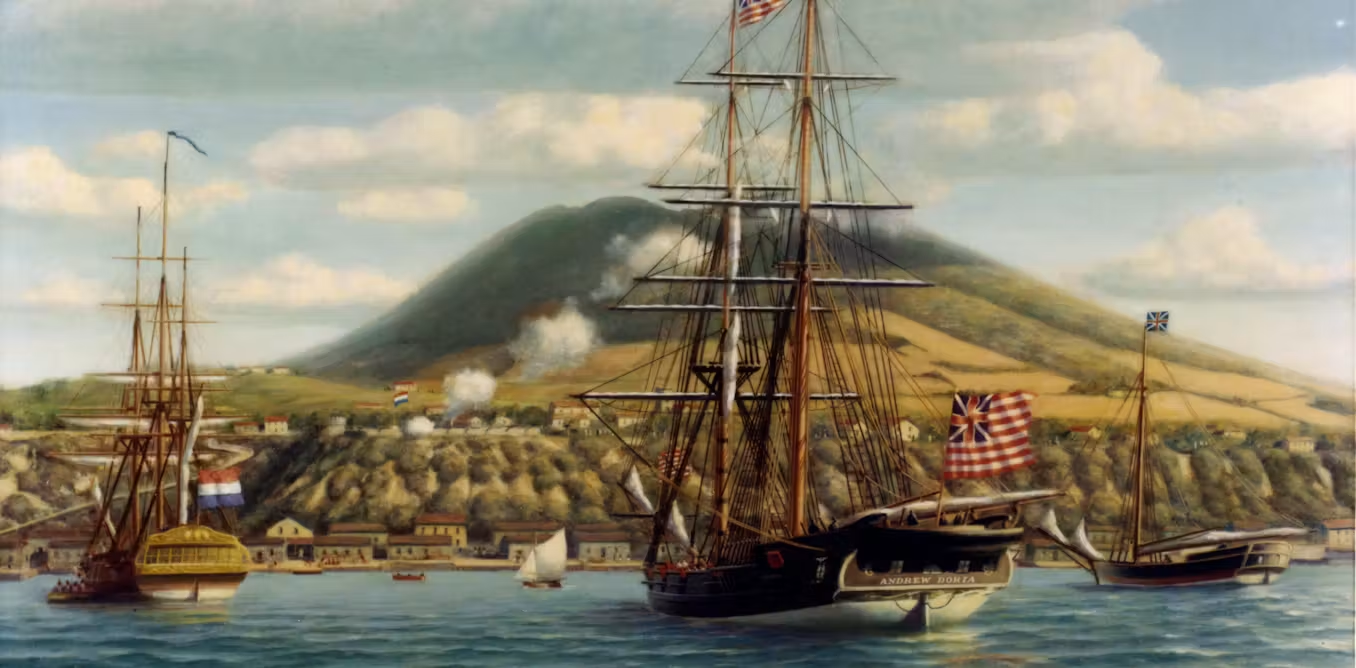
How a tiny Caribbean island made American independence possible
The American Revolution was won not just by ideals and armies, but by the strategic trade networks of a small Caribbean port.
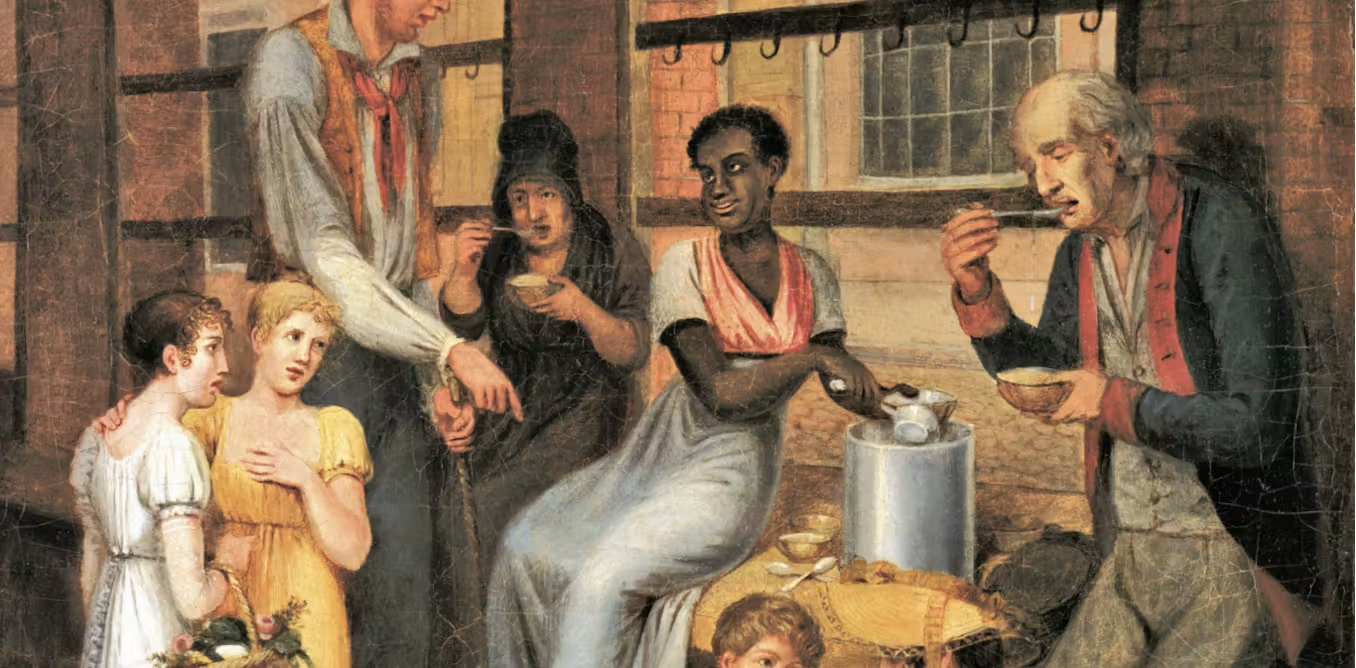
Pepper pot stew was survival food for the poor and a path to freedom for Black women in early Philadelphia
Dina escaped from slavery and sold pepper pot stew on the streets of Philadelphia, while her enslaver tried to recapture her.
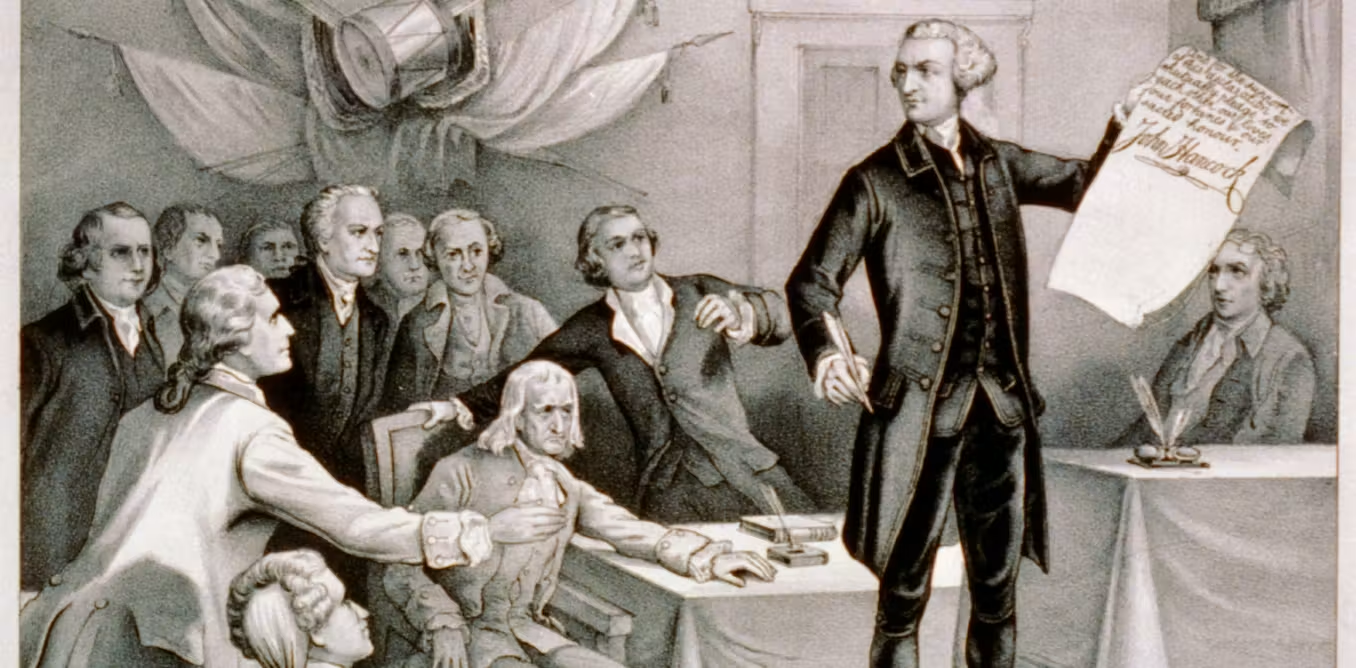
How America’s independence from England revolutionized US philanthropy
US charitable institutions rapidly changed in the 1780s as Americans established groups to support people in need and to reform society.

How out‑of‑work fishermen saved the American Revolution
A British ban stripped thousands of skilled mariners of their livelihoods overnight – and gave Washington a chance to turn the tide.
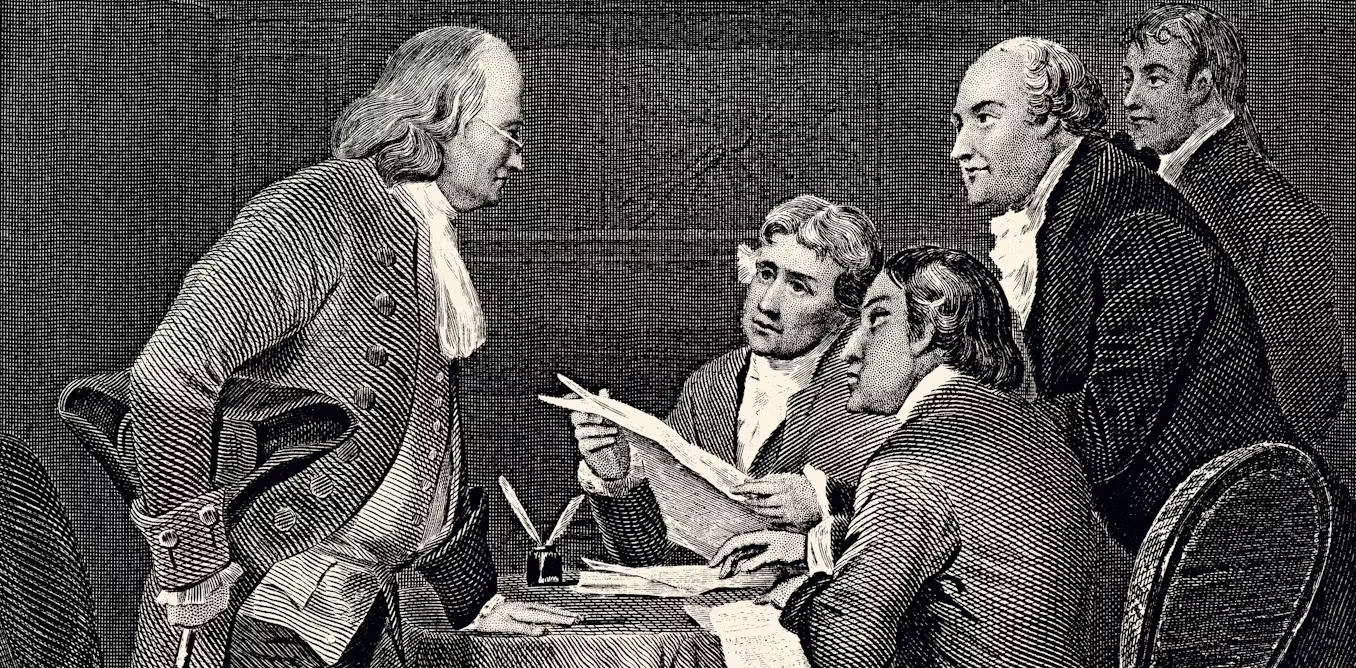
John Adams and Thomas Jefferson disagreed about the American Revolution’s meaning even as they lay dying
The founding generation in America was not of one mind. John Adams and Thomas Jefferson differed on crucial ideas, but exemplify the capacity for people to disagree and yet work for a common cause.
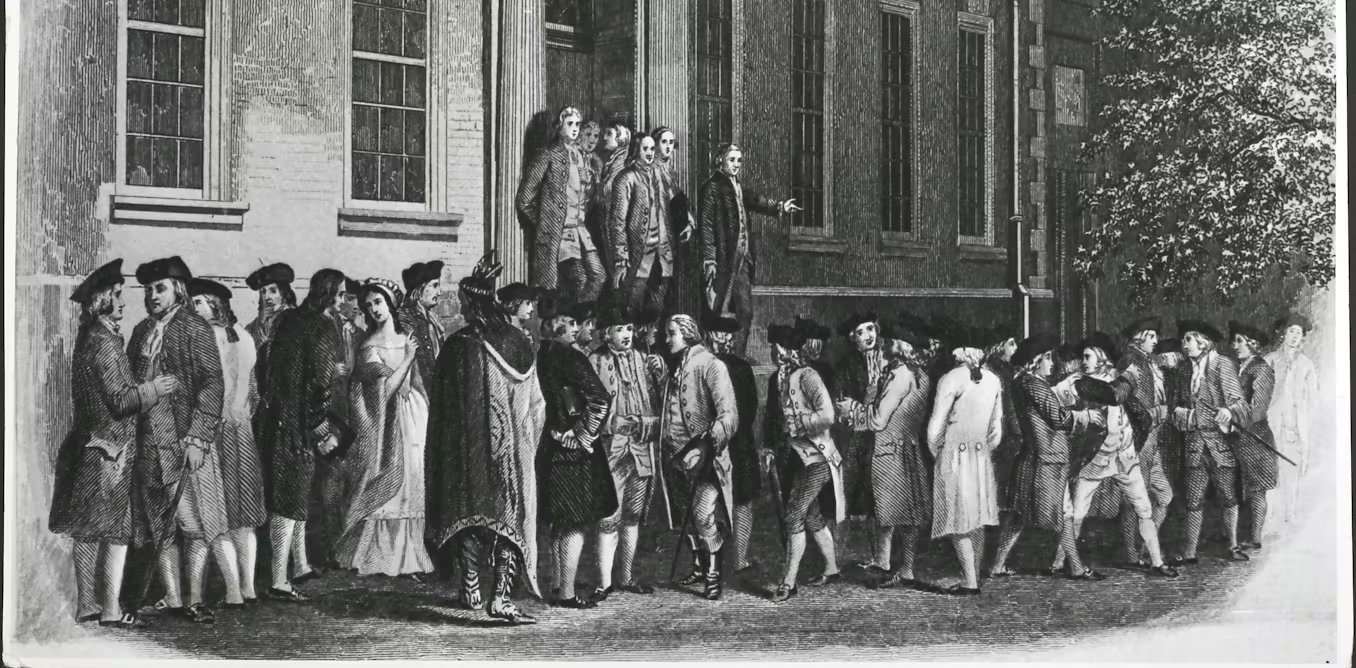
The American Revolution’s triumphant story of democracy and freedom overlooks loyalists who paid a steep price for allegiance to Britain
Matthias Aspden was a wealthy Philadelphia businessman who remained faithful to Britain. As a result, he lost his home, property and sense of belonging, and died in exile.