US history
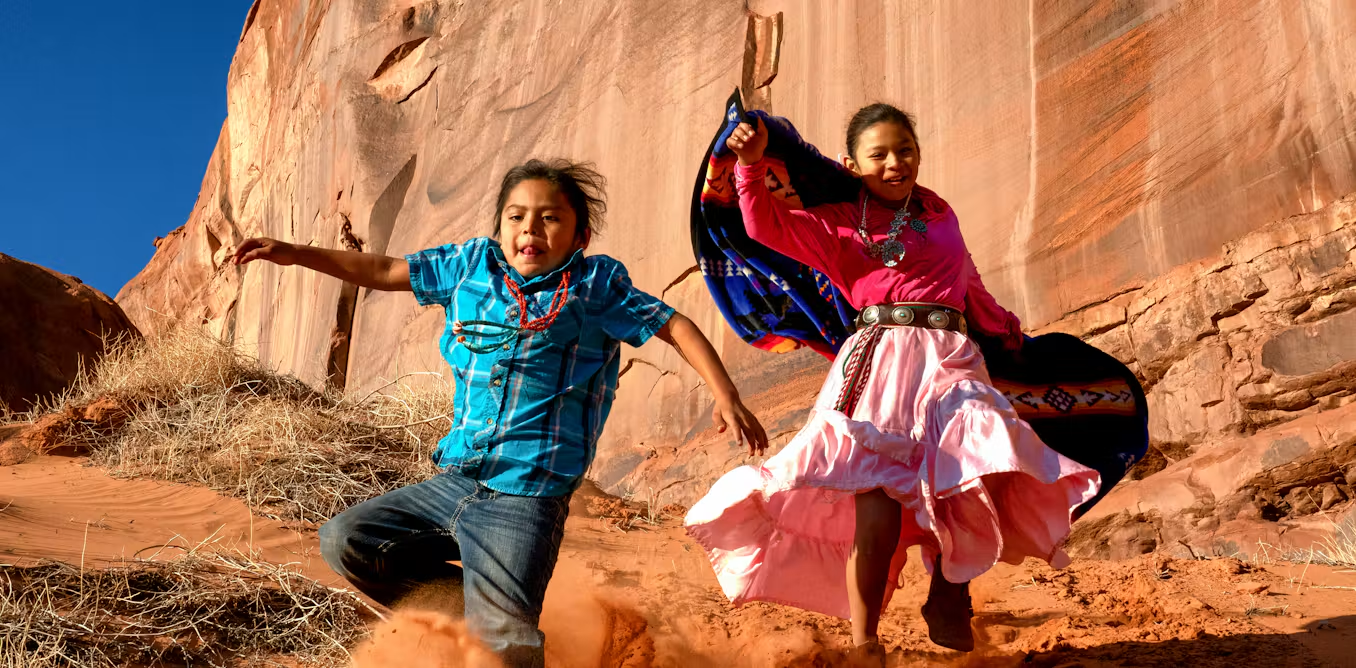
Indigenous Peoples Day: Why it’s replacing Columbus Day in many places
A growing number of states are recognizing Indigenous Peoples Day on what has traditionally been Columbus Day. An education scholar weighs in on what this means for America’s schools.
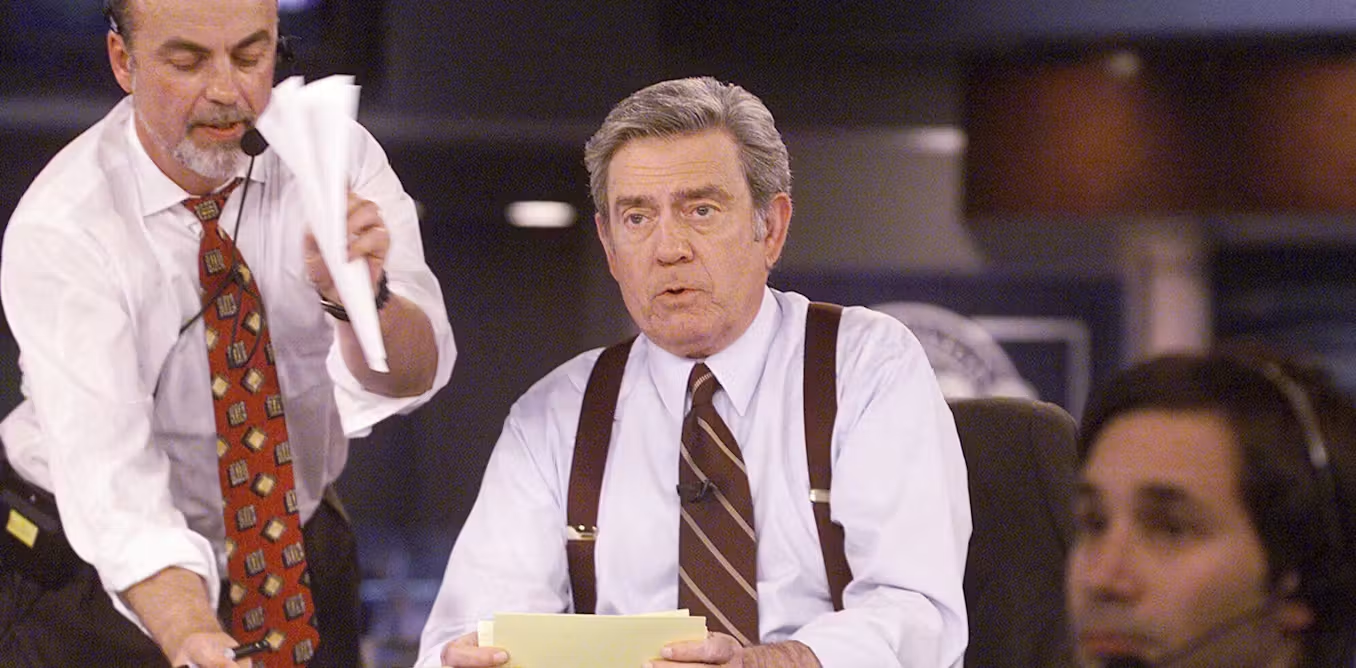
Dan Rather has followed the news wherever he goes, in a career that highlights 75 years of evolving journalism
Dan Rather anchored the ‘CBS Evening News’ for over 20 years, starting on March 9, 1981. But he always seemed more in his element as a reporter, and now as a news analyst on social media.
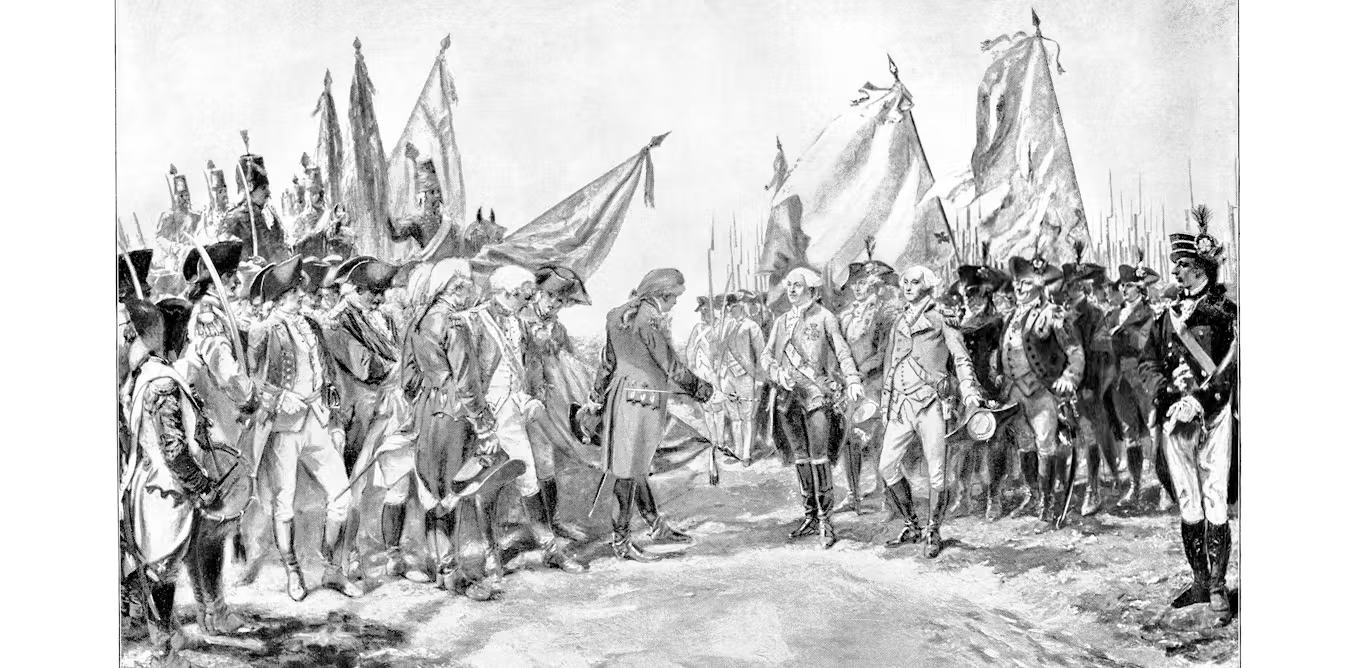
What happened at the end of the Revolutionary War? Here’s how Americans set up a brand‑new country once the fighting ended
The United States came out of the Revolutionary War victorious. But building a new nation was very different from fighting a war.
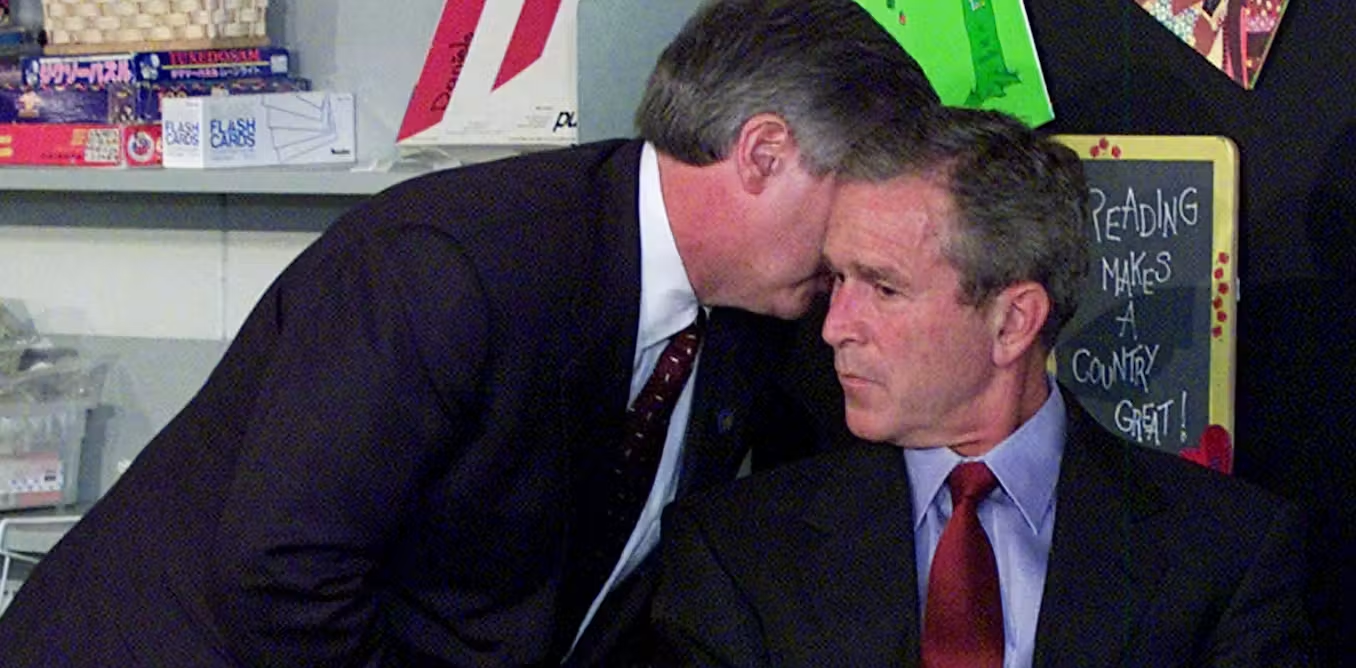
What we remember when we remember 9/11
Having a vivid, detailed memory of a remarkable event like 9/11 can seem like a demonstration of patriotism and a connection with other Americans.
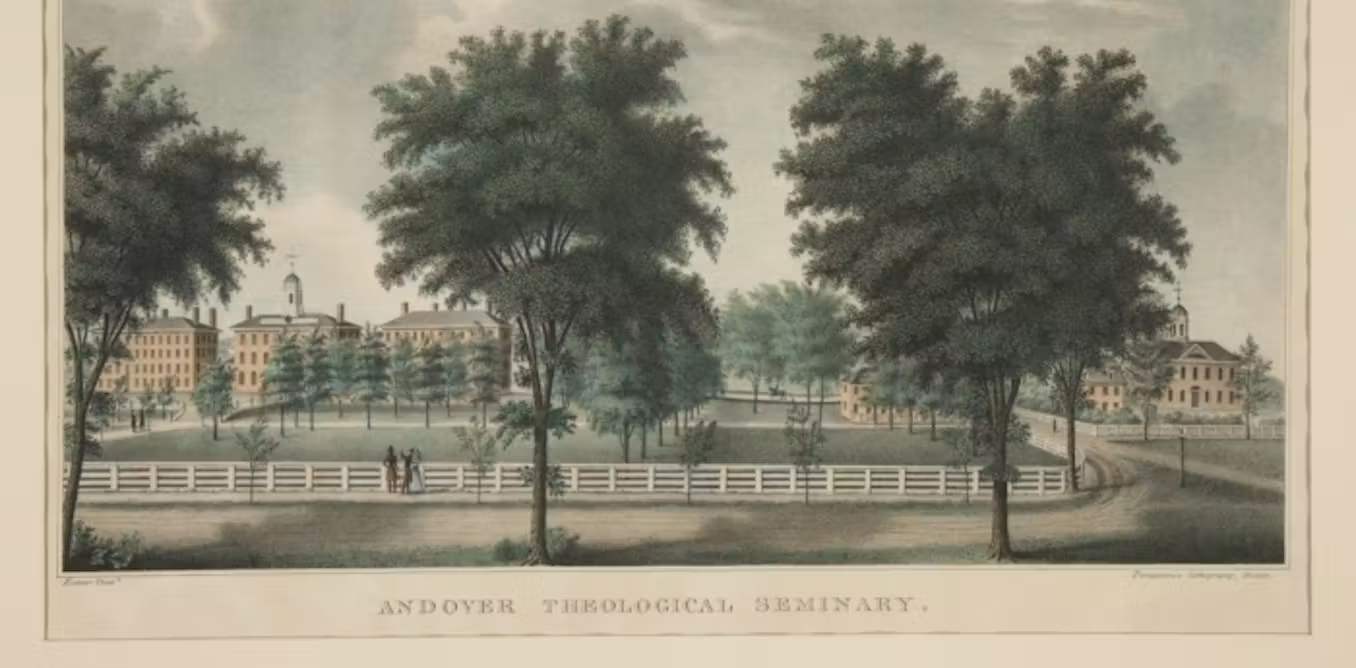
The financial dilemma that wound up helping US churches thrive
American churches could not rely on the state for financial support. Private philanthropy helped them survive – and shaped the country’s religious diversity today.
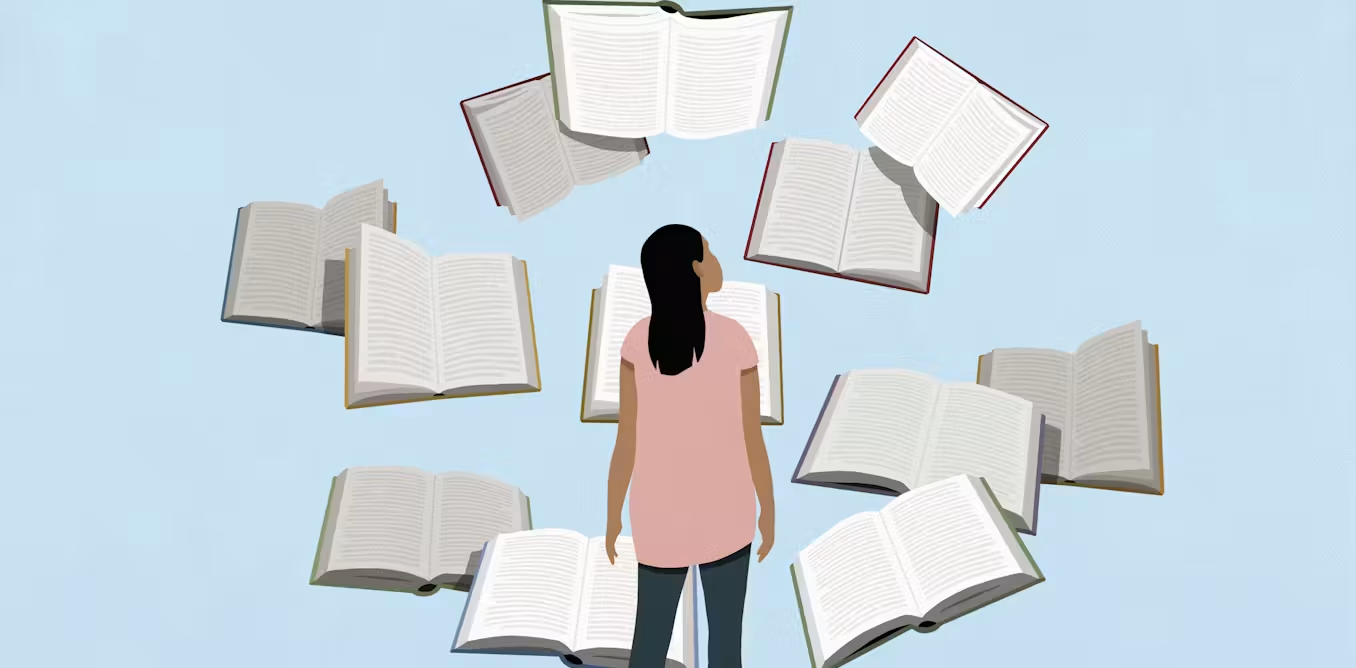
College professors face an emerging challenge: We know students are no longer reading entire books
Some teachers increasingly are shifting their approach to reading, assigning fewer books than they once did.

Juneteenth reminds us of Black Americans’ long struggle for education following end of slavery
Enslaved people were not just enslaved physically, but mentally as well. as widespread laws in the South barred enslaved people from receiving an education.