Politics
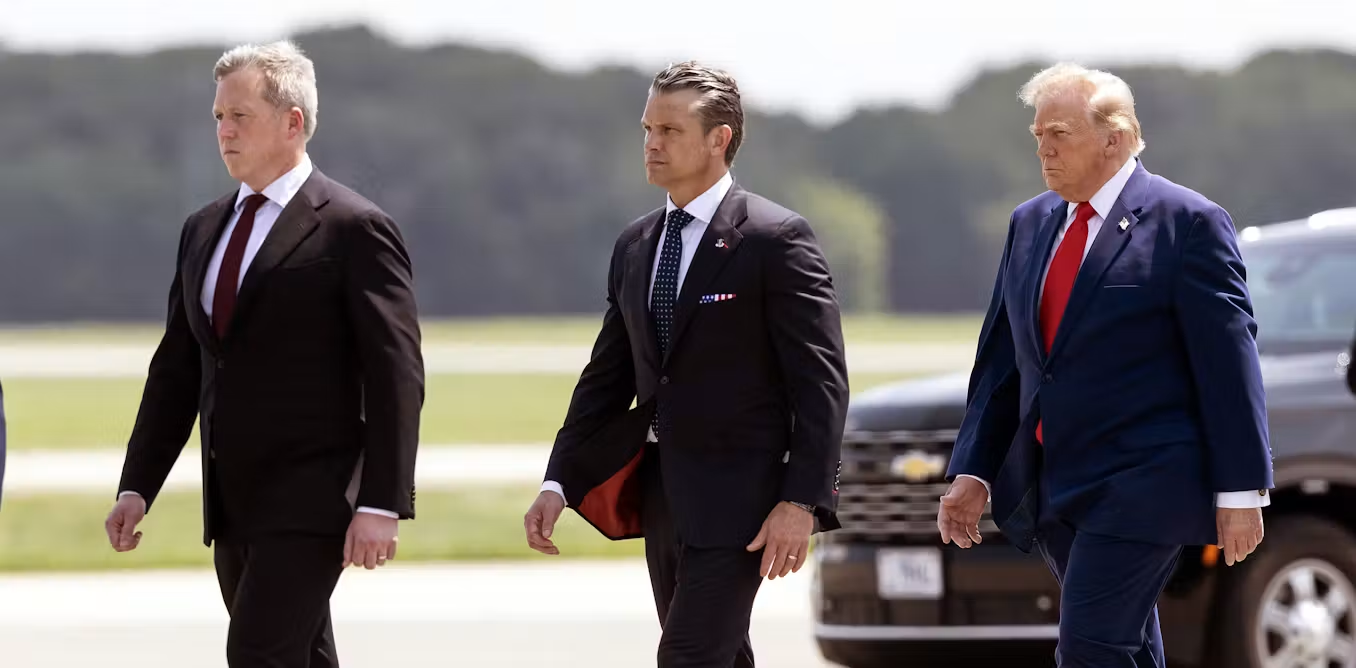
Pete Hegseth is rebuilding the Army’s ‘brass ceiling’
Half of the officers who have been fired or blocked from promotion are women or Black. A scholar who studies the US military explains why that’s dangerous.

Your robotic vacuum is a witness: What home robots mean for evidence, privacy and the law
Laws against surreptitiously recording someone extend to home devices like robot vacuums, but those recordings can still be used against you in court.
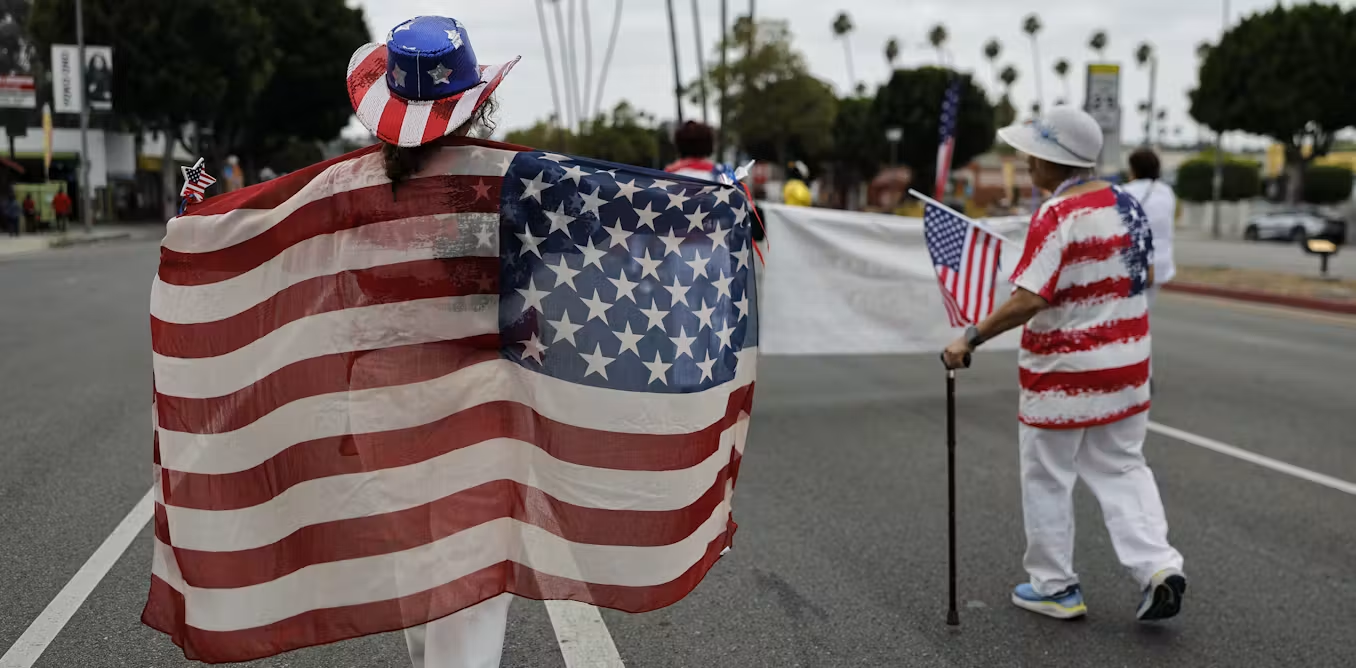
Why Hispanic Americans are losing faith in the American Dream
A public opinion researcher explains why this group’s declining faith goes beyond partisanship and reflects a fundamental question about its sense of belonging.
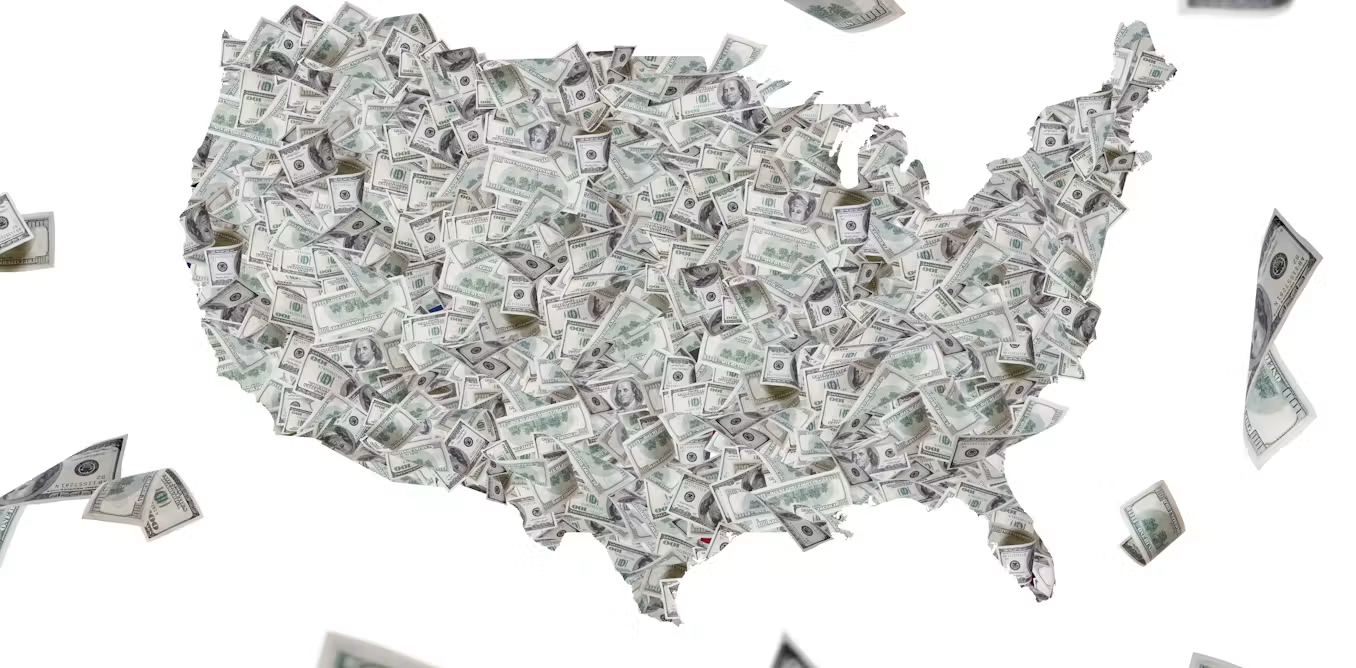
8 rules to help you understand what campaign finance reporting reveals about influence and support – or doesn’t
Campaign spending is confusing, but there are basic rules to help you understand information about money in elections. They can help you determine what is corruption and what is just regular politics.
Eight rules to help you understand what campaign finance reporting reveals about influence and support – or doesn’t
Campaign spending is confusing, but there are basic rules to help you understand information about money in elections. They can help you determine what is corruption and what is just regular politics.

How the American revolt against Flock cameras mirrors the Boston Tea Party of 1773
The bipartisan revolution against automated license plate readers suggests Americans have not entirely lost their rebellious spirit.
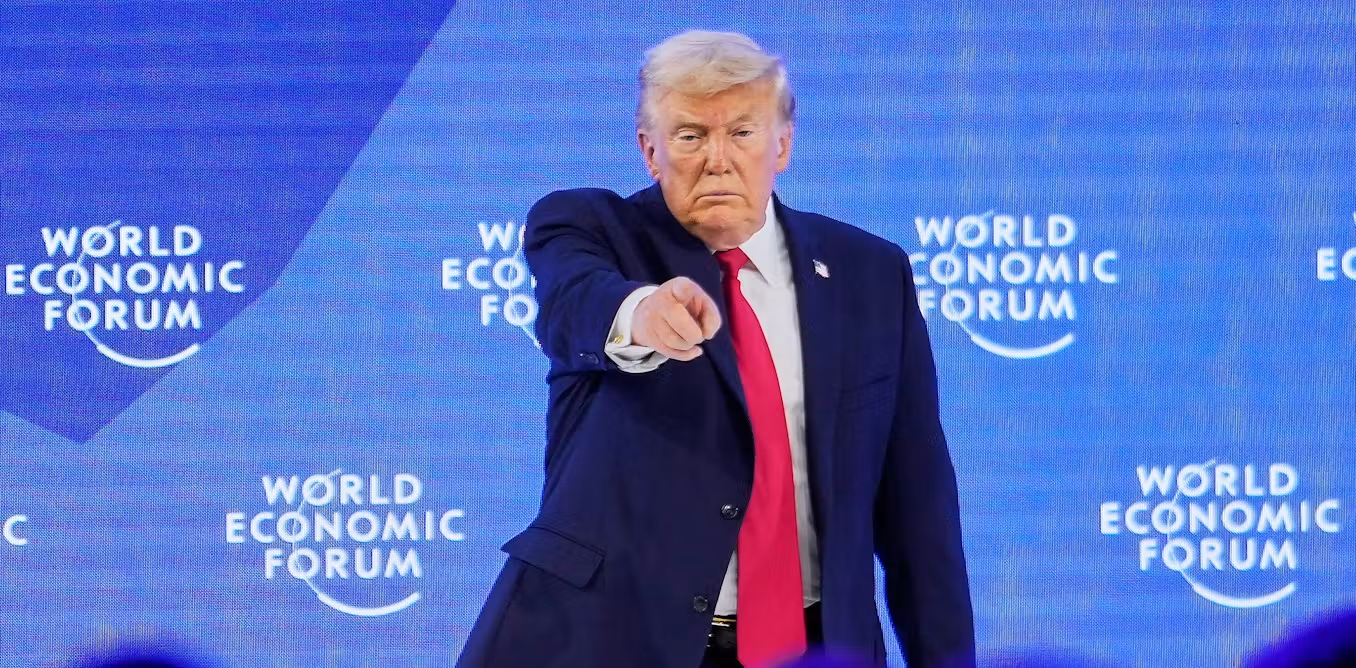
How ‘portfolio reasoning’ explains Trump’s constant reevaluation of America’s value
Trump has approached governing through the same framework as his former business portfolio, where he casts the US as a flagship holding whose value he was elected to increase.
Why the Supreme Court blocked Trump and the Postal Service from restricting mail‑in voting for the midterms
An election law scholar explains the president’s effort to dramatically limit mail voting ahead of the midterm elections – and why the court decided to block it.
How anti‑bribery laws apply to Trump’s promise of $5,000 payments if Republicans keep control of Congress
Bribery involves offering money to a particular person, but Trump did not make his $5,000 offer to any single voter or set of voters.
Security clearances don’t determine whom a president can trust – they reveal risks the president may not know
A report that one of Trump’s aides went a year without routine vetting raises a question a former CIA executive knows well: What is that process for?