US politics
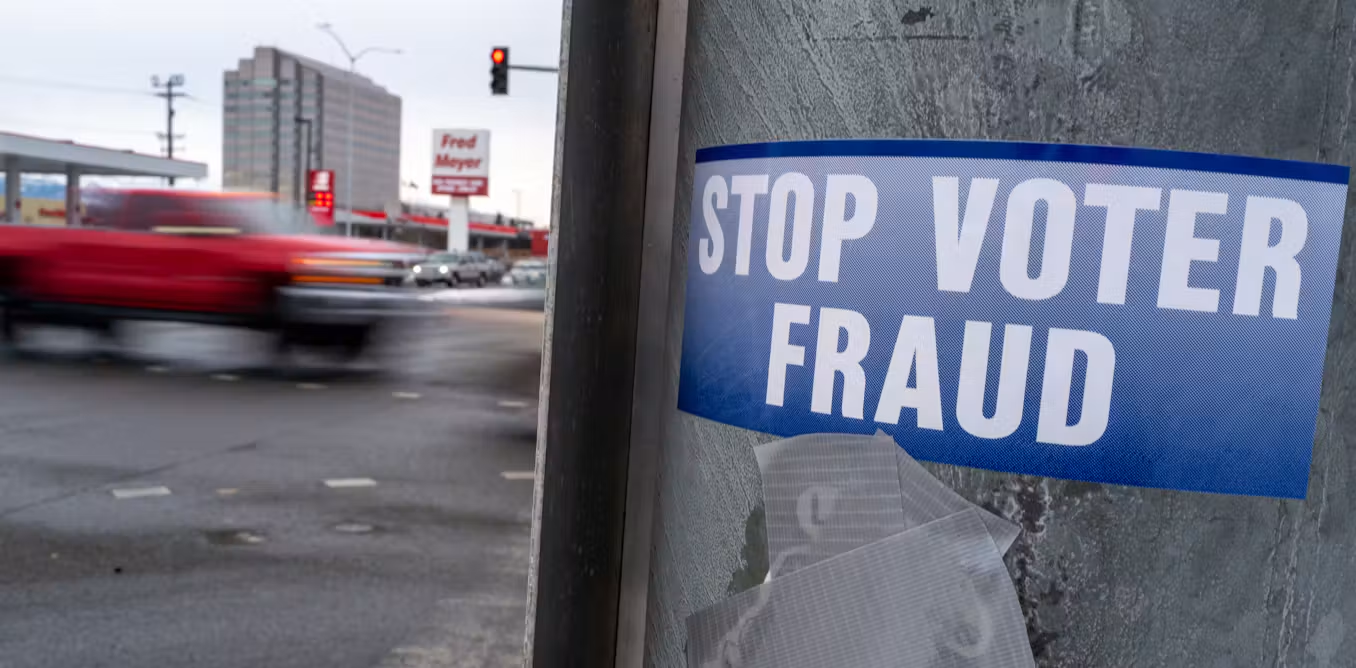
Why the GOP’s voter fraud messaging may backfire
GOP allegations that voter fraud is rampant in the US may drive more Democrats – and fewer Republicans – to the polls in November.
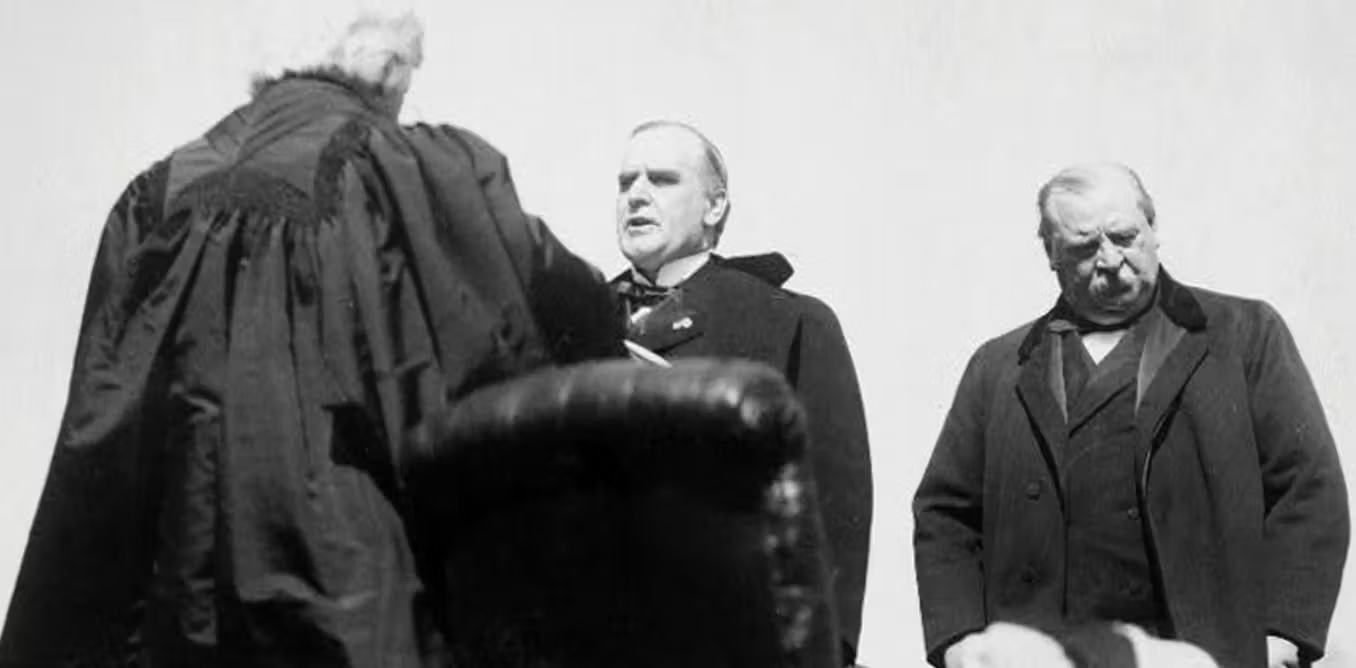
2 midterm elections that brought on new eras in US politics
Two 19th-century elections are a reminder that a sizable midterm shift, like the one expected in November, can signal long-lasting changes in American politics that set the country in a new direction.
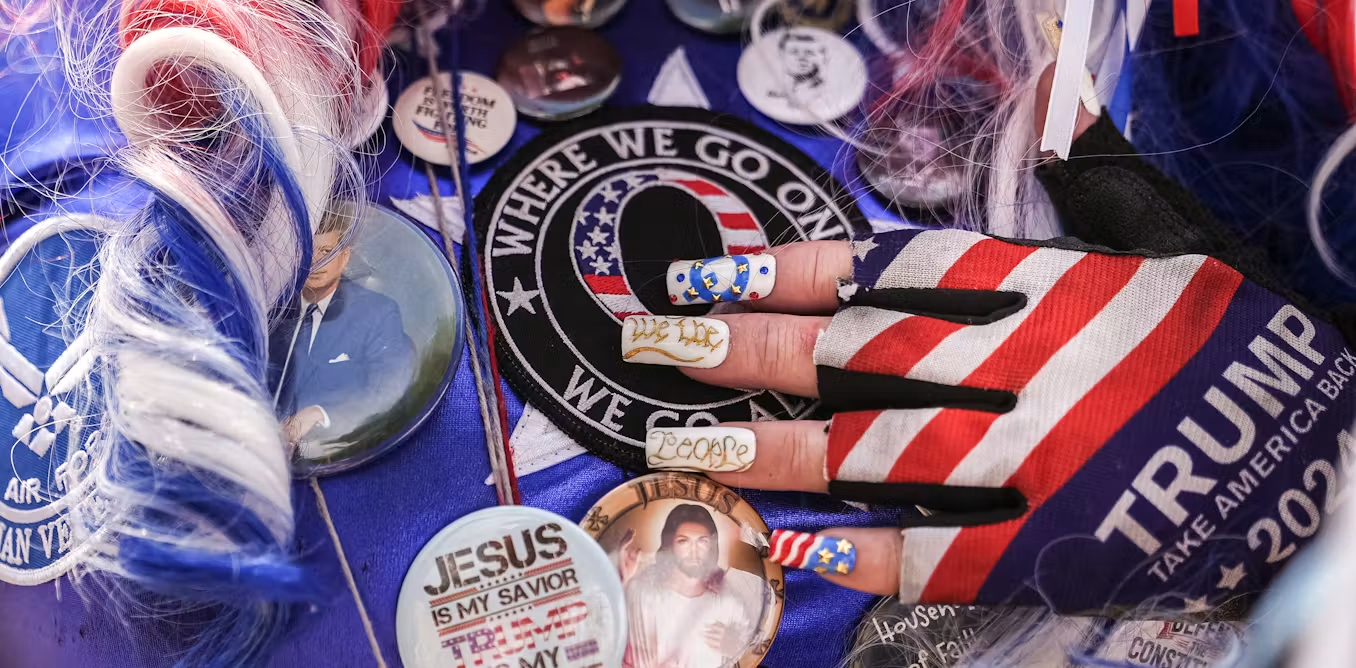
The long afterlife of QAnon conspiracy theories haunting American politics
Ideas from QAnon’s conspiracy theory have appeared on government social media sites during Trump’s second term and continue to divide America amid social and economic crises.
Don’t trust the name on the PAC
To manipulate voter perception, political action committees are adopting names that signal the opposite political goals from what those groups intend. And research shows the strategy is working.
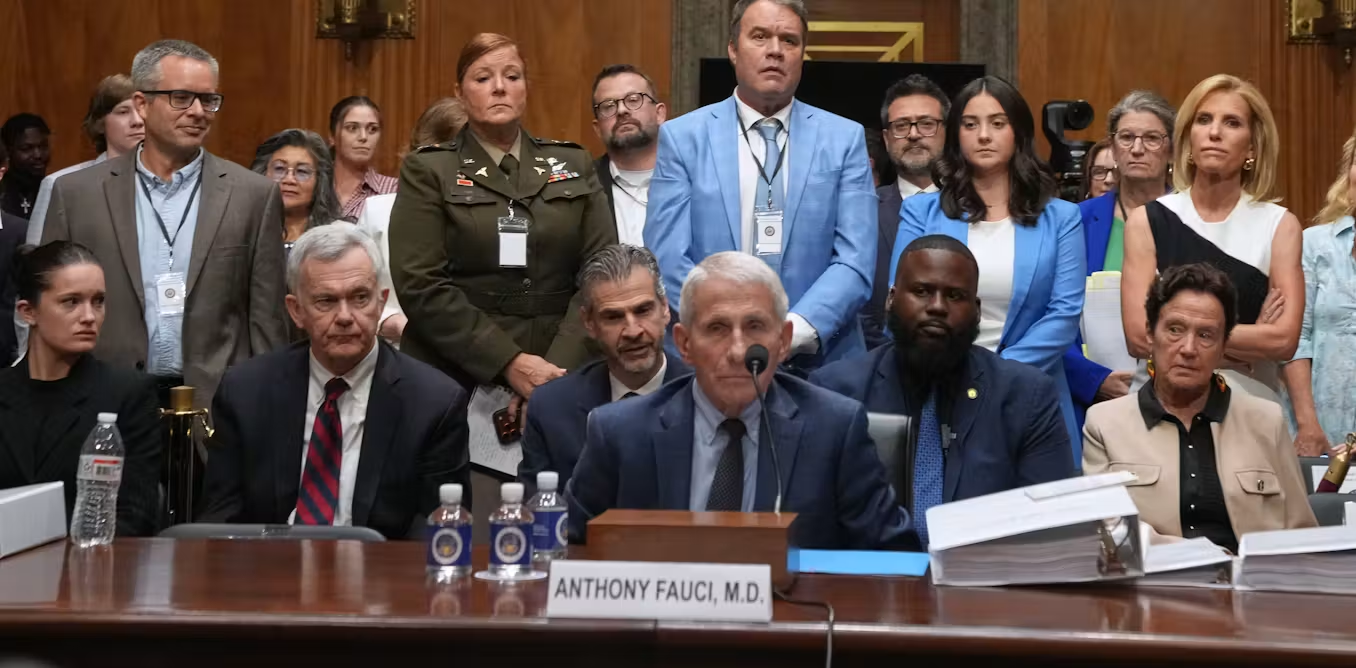
Fauci’s COVID‑origins hearing shows how conspiracy theories became political weapons
Conspiracy theories don’t just explain events – they identify villains, and Fauci is among the most popular.

Public opinion on abortion has shifted 4 years after Dobbs decision overturned Roe v. Wade
More Americans now hold absolutist positions, supporting legal access to abortion in all or most cases and opposing government regulation altogether.

As lawmakers politicize the 250th anniversary, Americans are looking for unity over division
While discord exists over the meaning of the 250th anniversary, Americans strongly believe there is more that unites the country than divides it.

I have spent the past 6 months reading hundreds of poems by young people – I was surprised to find hope, not despair
Young poets wrestled with loneliness, fractured families, violence and other challenges – but also showed an unwillingness to surrender to despair.
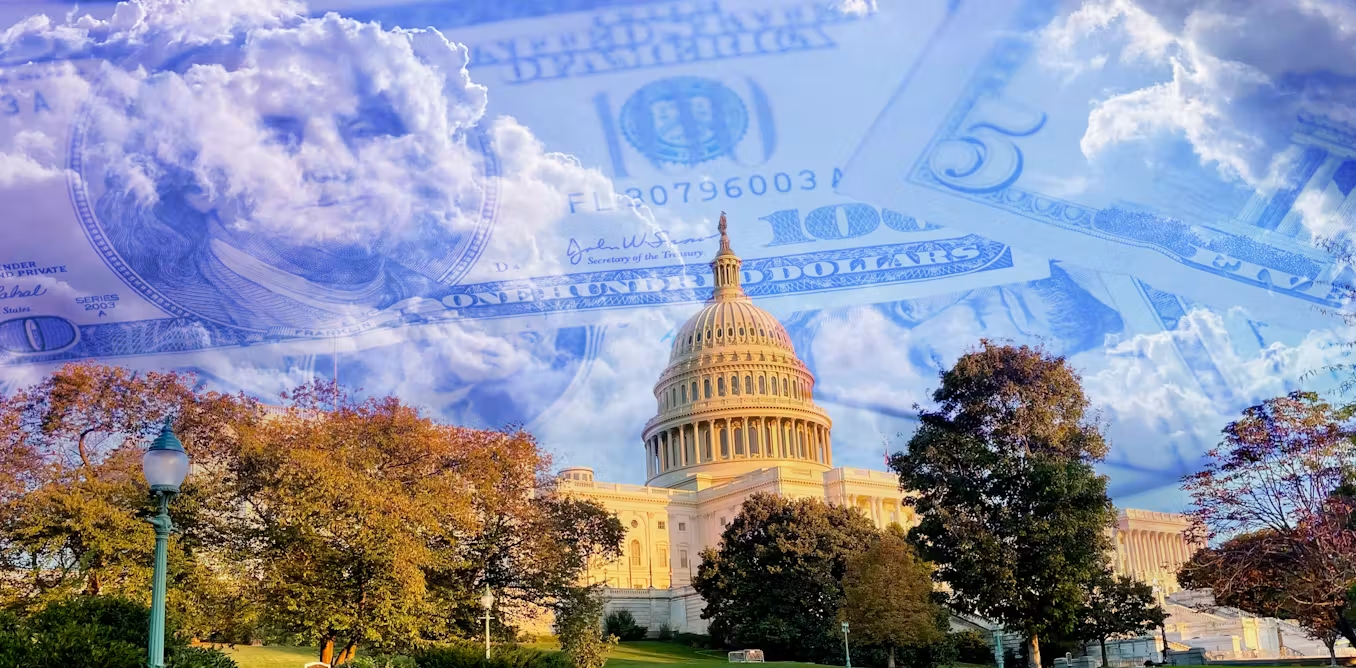
Both Democrats and Republicans give millions to universities in earmarks – but not in the same way
Democrats tend to give less than Republicans when it comes to earmarked funding for universities – but they give more to minority-serving institutions.
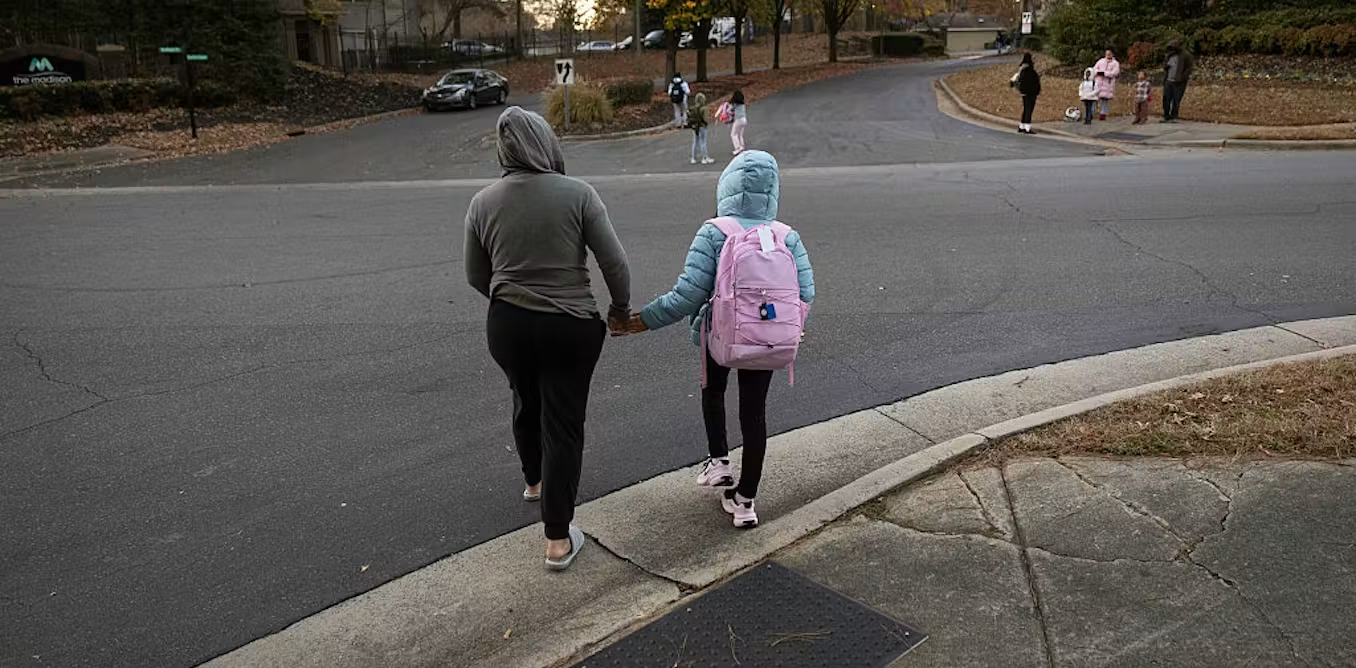
Most Americans broadly support public education for undocumented students – regardless of their political affiliation and religion
Some states are trying to challenge a long-held precedent that undocumented children are allowed to attend public school free of charge.